


 Cart


 POPULAR CATEGORY


| SERVICE | DELIVERY PRICE | DELIVERY TIME |
|---|---|---|
| Standard Delivery | £29.99 | 7 to 10 working days |
| SERVICE | DELIVERY PRICE | DELIVERY TIME |
|---|---|---|
| Standard Delivery | £29.99 | 7 to 10 working days |
| SERVICE | DELIVERY PRICE | DELIVERY TIME |
|---|---|---|
| Standard Delivery | £5.99 | 1 to 2 working days |
| Next Day | £23.94 |
| SERVICE | DELIVERY PRICE | DELIVERY TIME |
|---|---|---|
| Standard Delivery | £29.99 | 5 to 7 working days |
| SERVICE | DELIVERY PRICE | DELIVERY TIME |
|---|---|---|
| Standard Delivery | £29.99 | 7 to 10 working days |
Product Number: 30047501
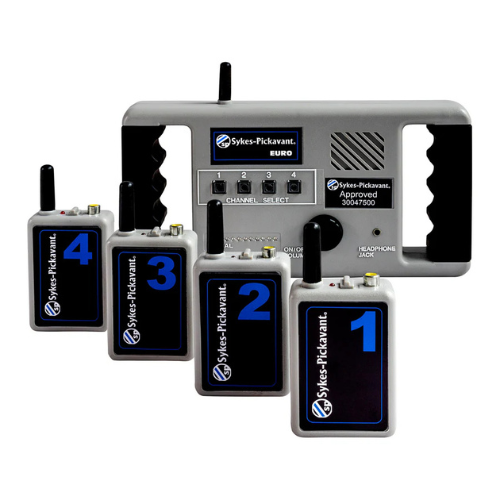
When a transmitter unit within the Sykes Pickavant 30047500 ChassisEar wireless stethoscope kit fails or requires replacement, sourcing a genuine like-for-like component is essential to restore the kit to full working order. The Sykes Pickavant 30047501 Transmitter No.1 is the designated replacement transmitter for use with the 30047500 ChassisEar wireless stethoscope kit, ensuring compatibility and continuity of function within the original system.
This transmitter is supplied as a direct replacement component, designed specifically to integrate with the 30047500 kit.
This product is a replacement part and is intended solely for use with the Sykes Pickavant 30047500 ChassisEar wireless stethoscope kit. It is not a standalone diagnostic tool.
Additional Information
About PartsForMachines:
PartsForMachines is a premier e-commerce platform, founded in 2019 in Warwickshire, UK, specializing in aftermarket parts and services for construction, agriculture, and industrial machinery. We offer an extensive catalog of over 500,000 products. Standard delivery: 1–3 working days within UK mainland. We are proud to be an authorised distributor, giving customers extra confidence when purchasing genuine products from us. In addition, we provide a 30-day return policy for eligible items.
| Engine Parts | Product Number | Product Name | Recommended Units | Product Price | |
|---|---|---|---|---|---|
|
30047500 | Sykes Pickavant 30047500 Wireless Electronic Tool Stethoscope | ChassisEAR | 4-Channel | 1 Unit |
£510.16
£500.16
|
Add |
 Standard Delivery: £5.99
 Next Day Delivery Available
 Delivery Estimate: 1 to 2 working days
 Save Extra With 1 Offer
 Compare With Similar Items
Compare with Similar products
|

Retractable Hose Reel - 15m x 8mm - 1/4" (Air & WATER),53359500, Sykes Pickavant
£174.92
£171.49
2% OFF
|
||
| Technical Specification | |||
|---|---|---|---|
| PRODUCT NUMBER | 53399600 | 53399700 | 53359500 |
| Type | Bench/Vice | Bench/Vice | Bench/Vice |
| Size | 8mm | 10mm | 8mm |
| Part Type | Pick | Pick | Pick |
| Size Range | Up to 10mm | Up to 10mm | Up to 10mm |
A. It is the replacement for channel 1 in the 30047500 wireless chassis ear system.
A. It is often placed at the most likely source initially, such as a suspect wheel bearing or gearbox mount.
A. It provides a reference sound level, allowing other channels to be compared and ranked accurately.
A. No audio, intermittent cut-outs or excessive interference on channel 1 despite good batteries suggest replacement.
A. Use the supplied clamp or strap so the sensor remains firmly in contact throughout the road test.
A. Weak batteries can cause low signal strength, noise or dropouts that hinder diagnosis.
A. They should hear clear audio on channel 1 when the sensor is lightly tapped while the receiver is monitored.
A. It enables quick, accurate noise localisation, reducing guesswork and unnecessary parts replacement.
A. Inspect them before diagnostic sessions, looking for cracks, loose switches or damaged antennae.
A. Clean it carefully with appropriate wipes, avoiding fluid ingress into the casing to protect internal electronics."
By sharing your email, you agree to our privacy policy & terms of service
 Question about this product? Click here


