


 Cart


 POPULAR CATEGORY


 ADD TO CART


| SERVICE | DELIVERY PRICE | DELIVERY TIME |
|---|---|---|
| Standard Delivery | £29.99 | 7 to 10 working days |
| SERVICE | DELIVERY PRICE | DELIVERY TIME |
|---|---|---|
| Standard Delivery | £29.99 | 7 to 10 working days |
| SERVICE | DELIVERY PRICE | DELIVERY TIME |
|---|---|---|
| Standard Delivery | £5.99 | 1 to 2 working days |
| Next Day | £16.99 |
| SERVICE | DELIVERY PRICE | DELIVERY TIME |
|---|---|---|
| Standard Delivery | £29.99 | 5 to 7 working days |
| SERVICE | DELIVERY PRICE | DELIVERY TIME |
|---|---|---|
| Standard Delivery | £29.99 | 7 to 10 working days |
Product Number: 343001-09
Additional Information
About PartsForMachines:
PartsForMachines is a premier e-commerce platform, founded in 2019 in Warwickshire, UK, specializing in aftermarket parts and services for construction, agriculture, and industrial machinery. We offer an extensive catalog of over 500,000 products. Standard delivery: 1–3 working days within UK mainland. We are proud to be an authorised distributor, giving customers extra confidence when purchasing genuine products from us. In addition, we provide a 30-day return policy for eligible items.
| Product Dimenstions (L x W x H) | 270 x 80 x 70 mm |
|---|---|
| Product Weight | 0.135 Kg |
| Engine Parts | Product Number | Product Name | Recommended Units | Product Price | |
|---|---|---|---|---|---|
|
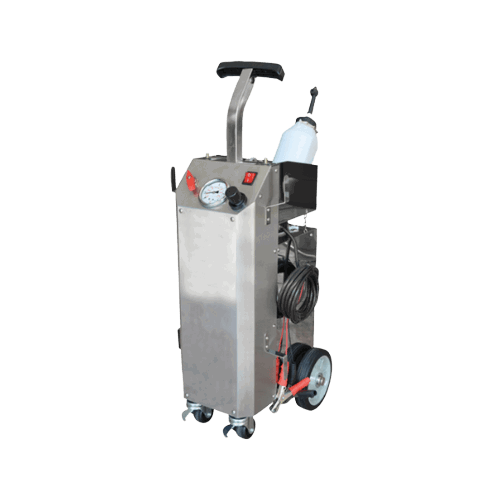
343001V2 | Sykes Pickavant 343001V2, 12V Automatic Brake Bleeder - 6 Bar | 1 Unit |
£1,004.50
£984.80
|
Add |
 Standard Delivery: £5.99
 Next Day Delivery Available
 Delivery Estimate: 1 to 2 working days
 Save Extra With 1 Offer
 Compare With Similar Items
Compare with Similar products
|
|||||||||||||||
| Technical Specification | |||||||||||||||
|---|---|---|---|---|---|---|---|---|---|---|---|---|---|---|---|
| PRODUCT NUMBER | 02726500 | 02730000 | 3662600 | 3661600 | 3662200 | 02160000 | 2165000 | 34301400 | 02705100 | 02705200 | 2705300 | 34302000 | 02705400 | 02705500 | 02706100 |
| Type | Brake/Pipe Tool | Brake/Pipe Tool | Socket | Socket | Socket | Brake/Pipe Tool | Brake/Pipe Tool | Brake/Pipe Tool | Punch/Die/Face | Punch/Die/Face | Punch/Die/Face | Brake/Pipe Tool | Punch/Die/Face | Punch/Die/Face | Punch/Die/Face |
A. It is a replacement fluid hose with connector for the 343001V2 brake bleeder, carrying brake fluid during pressure bleeding.
A. They replace it when the hose shows cracks, bulges, leaks or chemical damage that could compromise safety.
A. It securely carries pressurised fluid from the bleeder to the vehicle without leaking or detaching under pressure.
A. It matches the bleeder’s fittings and material compatibility, reducing risk of poor sealing or premature deterioration.
A. Inspect for manufacturing damage, confirm connectors engage fully and perform a brief low-pressure test for leaks.
A. Keep it away from sharp edges, hot surfaces and ensure it is not kinked or trapped under wheels or stands.
A. Flushing removes residual fluid that might crystallise or degrade hose material if left sitting inside.
A. Adequate length allows comfortable routing without stretching, reducing trip hazards and strain on connectors.
A. Replace the hose if contamination cannot be flushed out, as particles could enter the brake system.
A. Labels help quickly identify the correct replacement, ensuring the right hose is fitted without delay or confusion."
By sharing your email, you agree to our privacy policy & terms of service
 Question about this product? Click here


