


 Filters


A TPMS valve stem carries a sensor and is torqued to a stated figure. An ordinary snap-in rubber valve is not, and it is pulled into the rim rather than tightened at all. Using the wrong tool on a TPMS stem overtightens it and damages the sensor, which turns a valve job into a sensor replacement.
That is why a torque limited valve tool exists at 0.45Nm. It cannot apply more than the figure it is set to, which removes judgement from the operation entirely on a fastener where judgement is what causes the damage. TR413 and TR414 snap-in valves are held in packs of 100, which is how a fitting bay buys them.
Installation of a snap-in valve is a pulling operation rather than a turning one. A valve installer draws the rubber valve through the rim hole until it seats, and a version for alloy rims is shaped to avoid marking the wheel face while it does so. Installers for tubeless wheels and for alloy rims are held separately because the rim face is what differs.
Cores and threads are the third stage. A core tool removes and installs the core so the tyre can be deflated quickly and the core replaced if it leaks, and a service tool repairs the stem thread. Puncture repair rasps, carbide cutters and patch rollers sit alongside. Send the valve type to 07754288583 on WhatsApp. A bead seating tool at 19L sits on the leaf where a repaired tyre has to be reseated before it will take pressure.

| Model No | VCP4 |
|---|---|
| Brand | Sealey |
| Nett Weight | 10g |

| Model No | VCA4 |
|---|---|
| Brand | Sealey |
| Nett Weight | 13.5g |

| Model No | VCB4 |
|---|---|
| Brand | Sealey |
| Nett Weight | 13.5g |
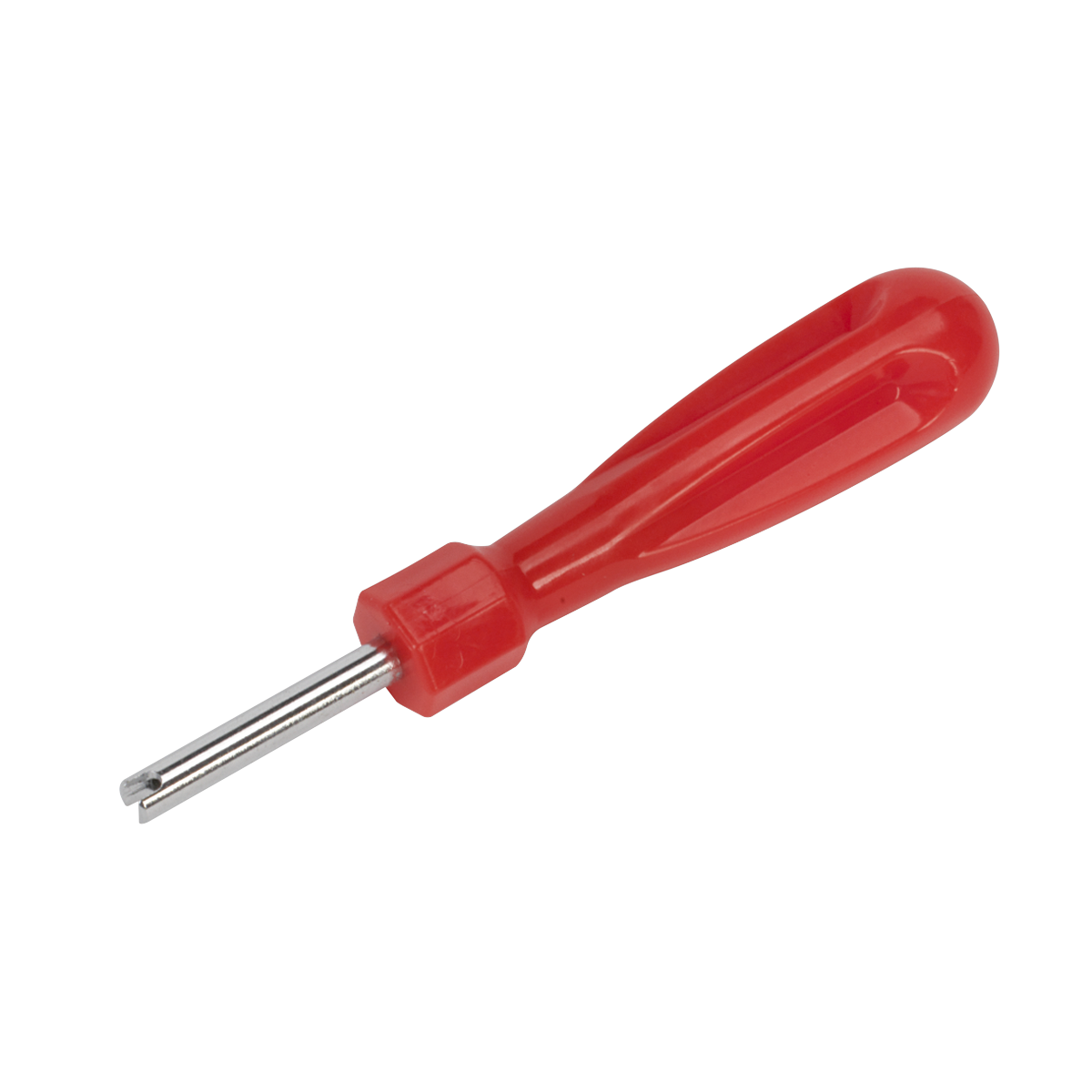
| Model No | TST/VCT |
|---|---|
| Brand | Sealey |
| Length | 97mm |
| Nett Weight | 0.026kg |

| Model No | TST/VT |
|---|---|
| Brand | Sealey |
| Nett Weight | 0.03kg |


| Model No | TST15 |
|---|---|
| Brand | Sealey |
| Nett Weight | 0.11kg |
| Roller Diameter/Thickness | Ø37/2.5mm |

| Model No | TST18 |
|---|---|
| Brand | Sealey |
| Length | 125mm |
| Nett Weight | 0.03kg |
| Preset Torque | 0.48Nm (4lb.in) |

| Model No | TST04 |
|---|---|
| Brand | Sealey |
| Length | 270mm |
| Nett Weight | 0.08kg |

| Model No | TST/TVI |
|---|---|
| Brand | Sealey |
| Length | 270mm |
| Nett Weight | 0.27kg |

| Brand | PCL |
|---|---|
| ShippingWeight(kg) | 0.028 |
| ProductLength | 40.0mm |
| ProductWidth | 46.0mm |
| ProductHeight | 13.0mm |


| Model No | TSTVRK |
|---|---|
| Brand | Sealey |
| Contents | Cone, Push/Pull Driver, Valve Hook Tool, Tyre Valve |
| Nett Weight | 0.39kg |


| Model No | TV412 |
|---|---|
| Brand | Sealey |
| Length | 22mm |
| Nett Weight | 0.79kg |
| Wheel Rim Hole Size | 11.5mm(0.453") |

| Model No | TV413 |
|---|---|
| Brand | Sealey |
| Length | 30mm |
| Nett Weight | 0.95kg |
| Wheel Rim Hole Size | 11.5mm(0.453") |

| Model No | TV414 |
|---|---|
| Brand | Sealey |
| Length | 38mm |
| Nett Weight | 1.04kg |
| Wheel Rim Hole Size | 11.5mm(0.453") |
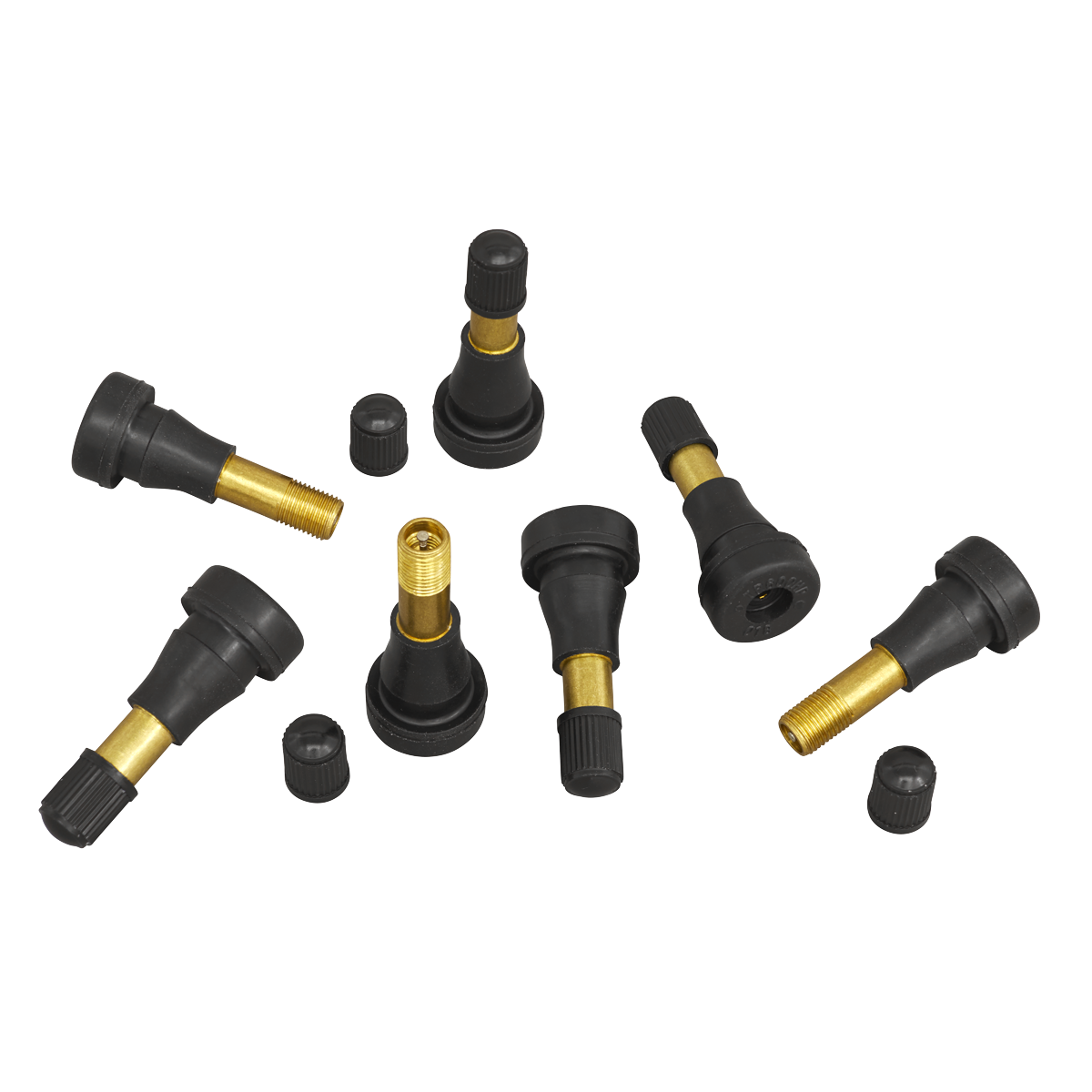
| Model No | TVHP1 |
|---|---|
| Brand | Sealey |
| Length | 32mm |
| Nett Weight | 0.67kg |
| Wheel Rim Hole Size | 11.5mm |

| Brand | PCL |
|---|---|
| CO9P03 | CRT001 |
| 8v1 screw-on Open end | 6.35 mm / 1/4 in |
| Rp 1/4 | Euro style clip-on |
| ShippingWeight(kg) | 0.12 |

| Model No | TC904 |
|---|---|
| Brand | Sealey |
| Maximum Pressure | 150psi(10.4bar) |
| Nett Weight | 13.2kg |
| Tank Capacity | 19L |

| Model No | TST12 |
|---|---|
| Brand | Sealey |
| Nett Weight | 0.09kg |

| Model No | CDB06 |
|---|---|
| Brand | Sealey |
| Length | 90mm |
| Nett Weight | 0.026kg |
| Size | Ø6mm x 90mm |
By sharing your email, you agree to our privacy policy & terms of service


 Cart
Cart


 POPULAR CATEGORY


