Phone Phone 01926754100 Cart Cart
Fit guarantee icon
FIT GUARANTEE or Hassle-Free Returns
Quick delivery icon
QUICK DELIVERY On All Products Across UK
Customer support icon
GREAT SUPPORT 24/7 Support For Any Query
rating icon
TOP RATED Trusted by Our Customers

Shop by Sub Category

Brands

FAQs

For most trade workshops handling a mix of cars and light commercials, a 10-20A smart charger handles daily charging without stressing the battery. Recharge time from flat to full is typically 4-8 hours on a standard car battery. For commercial vehicle and plant workshops with 24V systems and larger batteries, a 30-50A 12/24V dual-voltage charger speeds turnaround. Fleet operations needing rapid battery cycling use 50-100A rapid chargers — these get a flat battery serviceable within 1-2 hours but are harsh on long-term battery health if used routinely on a single battery.

Yes, in most cases — modern smart chargers automatically transition into a maintenance/float mode after the battery reaches full charge, then keep the battery topped up at low current without overcharging. The Sealey SpeedCharge and equivalent SIP and Draper smart chargers are designed for indefinite connection. Older basic non-smart chargers (manual chargers, basic trickle chargers) can overcharge if left connected once the battery is full and should not be left unattended for extended periods. Check the charger specification confirms maintenance/float-mode operation.

For long-term storage, choose a smart charger with a maintenance/float mode and battery-chemistry selection matching your battery (typical AGM or flooded for cars, AGM increasingly for newer vehicles). Connect once a fortnight to a month is usually sufficient on modern cars — the smart charger detects battery state and applies whatever charge is needed. For boats, caravans, and seasonal vehicles stored for months, leaving a smart charger connected continuously through the off-season is the cleanest approach. Lithium batteries need their own dedicated lithium charger — never use a lead-acid charger on a lithium battery.

Diesel-engine workshop alternator support — keeping vehicle electronics live during ECU programming, diagnostics, or extended battery-off work — requires a charger with stable voltage output specifically designed for the application (not just a normal charger left switched on). Sealey alternator support chargers, Draper diagnostic-support chargers, and similar offer the stable 13.8V or 14.4V output required without overcharge. Output current typically runs 30-100A. The product page specifies alternator-support / vehicle-electronics-support compatibility — only use units explicitly designed for this purpose.

Returns are accepted within 30 days of purchase, in original packaging, on orders delivered within the United Kingdom. For damaged-on-arrival items, report within 24 hours with photographs to [email protected] — we will typically arrange collection and replacement at no cost to you. For parts that don't fit your machine, the Fit Guarantee covers a hassle-free return at no cost. For buyer's remorse — you've changed your mind or ordered the wrong item, email us first to obtain a Return Merchandise Number; a restocking fee may apply. Refunds are issued to the original payment method once the return is inspected.

Delivery time depends on the product, your destination, and availability — the estimated time for any item appears on the product page, and 'Check where we deliver' confirms coverage for your postcode before you order. Next-day delivery is available on most products; the option appears at checkout when applicable. We deliver across the UK, Europe, the Middle East, and Africa. Use the country selector at checkout to confirm coverage and delivery options for your destination.

A smart charger analyses the battery and moves through controlled charging stages before holding at maintenance level — safe to leave connected. An old-style trickle charger pushes constant current and can overcharge if left on. A workshop charger prioritises amperage for fast turnaround on the bench. For vehicles in storage, smart maintenance charging is the right tool.

Clear

Battery Chargers

FilterFilters
View as Grid List

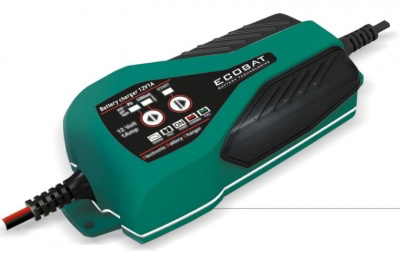
Battery chargers keep vehicle and machine batteries serviceable: smart maintenance chargers for vehicles in lay-up, workshop chargers for daily bench use, and heavier units for commercial and agricultural batteries. PartsForMachines supplies the range to the trade as an Authorised Distributor and Seller for CTEK alongside Sealey and Draper charging equipment, covering 6V, 12V and 24V systems across flooded, AGM, EFB and lithium chemistries.

Smart chargers are the core of the range: they analyse the battery, charge in controlled stages, then hold it at maintenance level, so a vehicle can stay connected through winter or lay-up without overcharging. The CTEK MXS 5.0 is the workshop staple for 12V lead-acid and AGM batteries, with a reconditioning mode for deeply discharged units and temperature compensation for cold-weather charging. Around it sit motorcycle-scale maintainers, higher-amperage workshop chargers for faster turnaround, 24V units for commercial and plant batteries, and intelligent chargers from Sealey and Draper across the same duties.

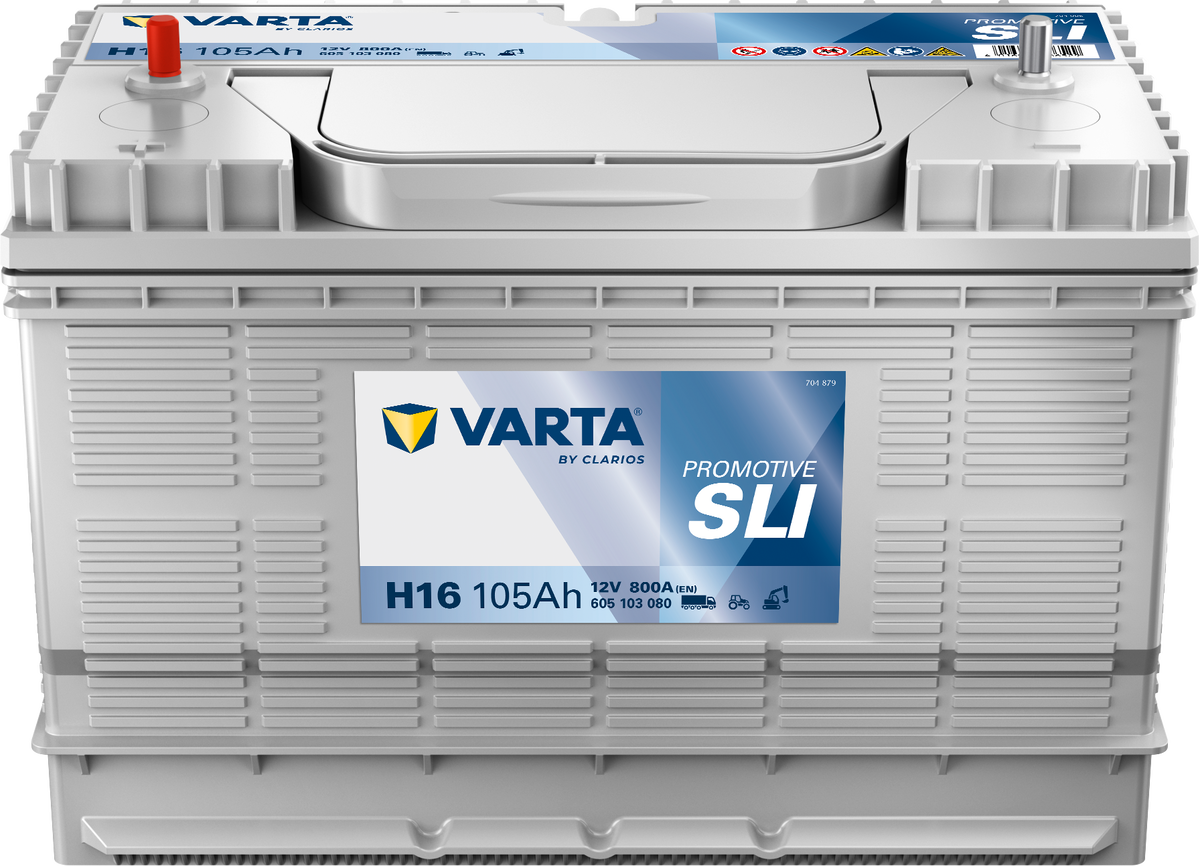
Selection runs on three checks listed on every product page: battery chemistry (a charger needs an AGM or lithium mode to charge those batteries properly), capacity in Ah (charger output should suit the battery size — small chargers maintain large batteries but charge them slowly), and system voltage. Compare lines up candidate chargers side by side, and Ask Simon gives an instant answer on whether a charger suits a specific battery.

Stop-start vehicles deserve a note: their EFB and AGM batteries cycle harder and benefit most from regular maintenance charging. For fleet charging requirements or multi-bay workshop setups, contact the team via WhatsApp 07754288583.

Show Only My Country Products
In this feature, you can view only your country products.
Showing 1 to 6 of 6 entries
FAQs

For most trade workshops handling a mix of cars and light commercials, a 10-20A smart charger handles daily charging without stressing the battery. Recharge time from flat to full is typically 4-8 hours on a standard car battery. For commercial vehicle and plant workshops with 24V systems and larger batteries, a 30-50A 12/24V dual-voltage charger speeds turnaround. Fleet operations needing rapid battery cycling use 50-100A rapid chargers — these get a flat battery serviceable within 1-2 hours but are harsh on long-term battery health if used routinely on a single battery.

Yes, in most cases — modern smart chargers automatically transition into a maintenance/float mode after the battery reaches full charge, then keep the battery topped up at low current without overcharging. The Sealey SpeedCharge and equivalent SIP and Draper smart chargers are designed for indefinite connection. Older basic non-smart chargers (manual chargers, basic trickle chargers) can overcharge if left connected once the battery is full and should not be left unattended for extended periods. Check the charger specification confirms maintenance/float-mode operation.

For long-term storage, choose a smart charger with a maintenance/float mode and battery-chemistry selection matching your battery (typical AGM or flooded for cars, AGM increasingly for newer vehicles). Connect once a fortnight to a month is usually sufficient on modern cars — the smart charger detects battery state and applies whatever charge is needed. For boats, caravans, and seasonal vehicles stored for months, leaving a smart charger connected continuously through the off-season is the cleanest approach. Lithium batteries need their own dedicated lithium charger — never use a lead-acid charger on a lithium battery.

Diesel-engine workshop alternator support — keeping vehicle electronics live during ECU programming, diagnostics, or extended battery-off work — requires a charger with stable voltage output specifically designed for the application (not just a normal charger left switched on). Sealey alternator support chargers, Draper diagnostic-support chargers, and similar offer the stable 13.8V or 14.4V output required without overcharge. Output current typically runs 30-100A. The product page specifies alternator-support / vehicle-electronics-support compatibility — only use units explicitly designed for this purpose.

Returns are accepted within 30 days of purchase, in original packaging, on orders delivered within the United Kingdom. For damaged-on-arrival items, report within 24 hours with photographs to [email protected] — we will typically arrange collection and replacement at no cost to you. For parts that don't fit your machine, the Fit Guarantee covers a hassle-free return at no cost. For buyer's remorse — you've changed your mind or ordered the wrong item, email us first to obtain a Return Merchandise Number; a restocking fee may apply. Refunds are issued to the original payment method once the return is inspected.

Delivery time depends on the product, your destination, and availability — the estimated time for any item appears on the product page, and 'Check where we deliver' confirms coverage for your postcode before you order. Next-day delivery is available on most products; the option appears at checkout when applicable. We deliver across the UK, Europe, the Middle East, and Africa. Use the country selector at checkout to confirm coverage and delivery options for your destination.

A smart charger analyses the battery and moves through controlled charging stages before holding at maintenance level — safe to leave connected. An old-style trickle charger pushes constant current and can overcharge if left on. A workshop charger prioritises amperage for fast turnaround on the bench. For vehicles in storage, smart maintenance charging is the right tool.

Get exclusive updates on offers & latest trends in construction industry

By sharing your email, you agree to our privacy policy & terms of service