Preparation runs in stages and each has its own tool. The surface is stripped, then scraped back, then masked, and the room is protected while all of it happens. Skipping the last stage is what turns a decorating job into a cleaning job. Working out of order also means masking a surface that still has to be scraped.
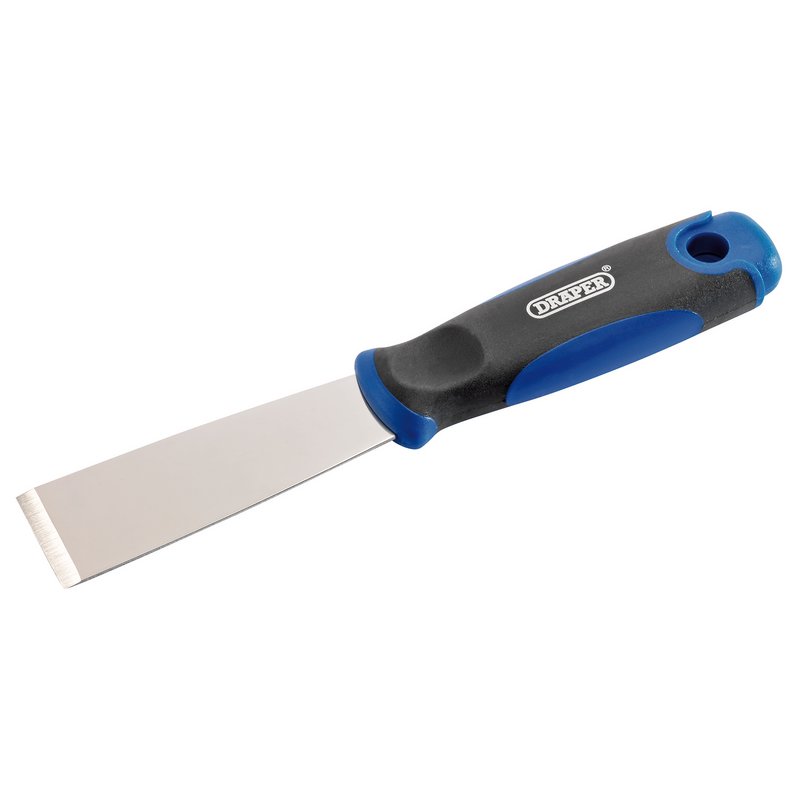
Scraper blade width decides how much is taken per stroke and how well the blade follows the surface. A 60mm tungsten carbide pull scraper works a small area hard. A 12in long handled floor scraper clears a large flat area standing up. Blade material matters alongside width, since tungsten carbide holds an edge far longer than steel.
Reach removes the ladder. Straight and angled pole scrapers at 3in fit a pole so a ceiling or a high wall is worked from the floor, and an angled head presents the blade properly to a surface above head height. Professional soft grip scrapers at 4in sit between the small pull scrapers and the floor tools.
Wallpaper comes off faster with steam than with a scraper alone, and a 230V wallpaper stripper does that. Pretaped masking and dust barrier systems keep the rest of the room out of the job, which is quicker than cleaning it afterwards. Send the surface to 07754288583 on WhatsApp. Masking and sheeting are consumables and are bought by the job rather than kept. A wallpaper stripper also softens paste that a dry scraper would tear the plaster to remove.


 Filters






 Cart
Cart


 POPULAR CATEGORY


