

 Cart
Cart


 POPULAR CATEGORY


 ADD TO CART


| SERVICE | DELIVERY PRICE | DELIVERY TIME |
|---|---|---|
| Standard Delivery | £19.95 | 7 to 10 working days |
| SERVICE | DELIVERY PRICE | DELIVERY TIME |
|---|---|---|
| Standard Delivery | £19.95 | 7 to 10 working days |
| SERVICE | DELIVERY PRICE | DELIVERY TIME |
|---|---|---|
| Standard Delivery | FREE | 1 to 2 working days |
| Next Day | £23.94 |
| SERVICE | DELIVERY PRICE | DELIVERY TIME |
|---|---|---|
| Standard Delivery | £19.95 | 5 to 7 working days |
| SERVICE | DELIVERY PRICE | DELIVERY TIME |
|---|---|---|
| Standard Delivery | £19.95 | 7 to 10 working days |
Product Number: 08253800
Additional Information
Bearing References:
SNR: R152.58
SKF: VKBA3589
Optimal: 302 255
Febi: 45355
About PartsForMachines:
PartsForMachines is a premier e-commerce platform, founded in 2019 in Warwickshire, UK, specializing in aftermarket parts and services for construction, agriculture, and industrial machinery. We offer an extensive catalog of over 500,000 products. Standard delivery: 1–3 working days within UK mainland. We are proud to be an authorised distributor, giving customers extra confidence when purchasing genuine products from us. In addition, we provide a 30-day return policy for eligible items.
| Product Dimenstions (L x W x H) | 345 x 290 x 95 mm |
|---|---|
| Product Weight | 7.6 Kg |
| Engine Parts | Product Number | Product Name | Recommended Units | Product Price |
|---|

How to select the right Puller for removing Gears, Hub Cap, Bearings, and Pulleys A puller is a specialized tool used to remove or extract objects such as gears, bearings, pulleys, and other components that are pressed onto a shaft or otherwise tightly fitted onto another part. Pullers typically use mechanical force, such as a threade...
 Standard Delivery: UK Mainland Free
 Next Day Delivery Available
 Delivery Estimate: 1 to 2 working days
 Save Extra With 1 Offer
 Compare With Similar Items
Compare with Similar products
|

Sykes Pickavant 20302000 30 TONNE SEPARATOR ADD-ON KIT
£1,830.39
£1,794.50
2% OFF
Free delivery in UK Mainland
|

Sykes Pickavant 20202000 20 TONNE SEPARATOR ADD ON KIT
£1,370.91
£1,344.03
2% OFF
Free delivery in UK Mainland
|
|||
| Technical Specification | |||||
|---|---|---|---|---|---|
| PRODUCT NUMBER | 20302000 | 20202000 | 50094 | 93509 | PS990 |
| Type | Hydraulic Puller | Hydraulic Puller | Hydraulic Puller | Hydraulic Puller | Hydraulic Puller |
| Length (mm) | 120 | 120 | |||
| Product Dimenstions (L x W x H) | 320 x 810 x 120 mm | 320 x 810 x 120 mm | |||
| Weight (kg) | 63 | 54 | 36 | ||
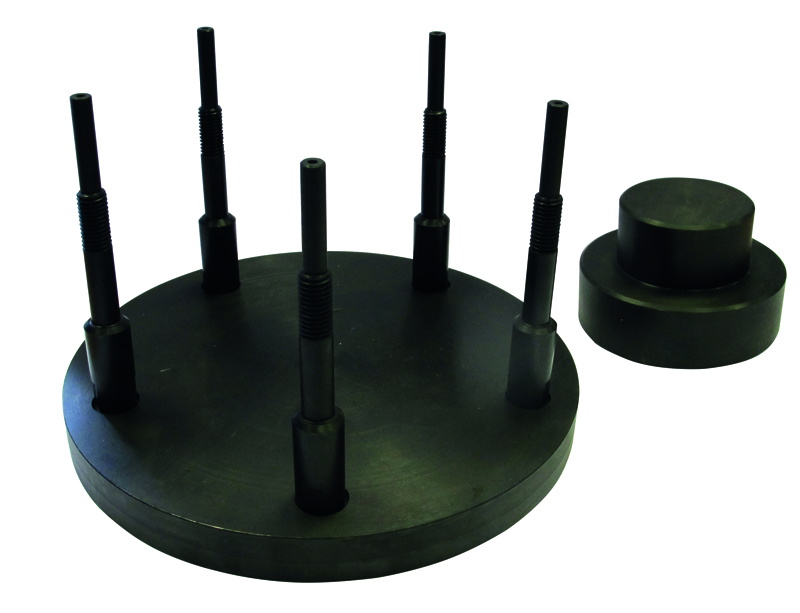
A. It is designed to push the rear brake disc off the bearing hub on certain Ford Transit models where corrosion makes separation difficult.
A. Over time, corrosion can bond the disc to the hub and bearing assembly, making conventional hammering ineffective and risky.
A. The tool applies steady, controlled force between disc and hub, reducing shock loads and risk of cracking or warping components.
A. It is intended for vans from around model year two thousand onwards that are fitted with rear brake discs and five wheel studs.
A. Controlled pushing helps keep force aligned, reducing the chance of brinelling or otherwise damaging the bearing during separation.
A. They choose it when discs remain stubborn after basic methods, or when they want a more professional, repeatable approach.
A. It speeds up stubborn disc removals, reducing downtime and improving consistency when servicing multiple Transits with similar issues.
A. A purpose-made tool is less likely to slip or send shards flying, because the load is guided through its structure.
A. Beating on seized discs can harm calipers, dust shields or hub threads, whereas the separator focuses force only where needed.
A. They cut job time, reduce rework and help avoid collateral damage, which together improve profitability and customer satisfaction."
By sharing your email, you agree to our privacy policy & terms of service
 Question about this product? Click here