


 Filters


Teeth per inch decides how much filler comes off and how the surface is left. A coarse blade at 7 or 8tpi cuts filler down fast and leaves a rough surface. A fine blade at 12tpi removes little and leaves a face close to ready for flatting. Filler cuts very differently from steel, which is why body files carry far coarser teeth than an engineers file.
That is why a panel is filed through more than one grade rather than with one blade. Cutting down with a coarse blade and finishing with a fine one is faster than either alone, and it is why the blades are held across the range rather than as a single choice.
Blade length sets how the file bridges the panel. A 300mm blade follows a curve more closely. A 350mm blade spans further, which is what levels a long flat area rather than following the hollow already in it. Blade length also decides how much of the panel is being read at once as the file is worked.
The holder is bought separately and is what tensions the blade. An adjustable holder lets the blade be curved to match the panel, so the same blade works on a convex wing and a flat door. A contour gauge at 250mm records the shape being worked to. Send the panel to 07754288583 on WhatsApp. Sykes hold the blade range across both lengths with adjustable holders at 300mm and 350mm to match.

| Model No | SPG01 |
|---|---|
| Brand | Sealey |
| Maximum Profile Depth | 30mm |
| Maximum Profile Length | 250mm |
| Nett Weight | 0.5kg |

| Model No | RE5001 |
|---|---|
| Brand | Sealey |
| Nett Weight | 0.70kg |
| Optional Accessories | RE5001.9TPI - 9tpi, RE5001.12TPI - 12tpi |

| Product Dimenstions (L x W x H) | 370 x 140 x 40 mm |
|---|---|
| Product Weight | 0.8 Kg |
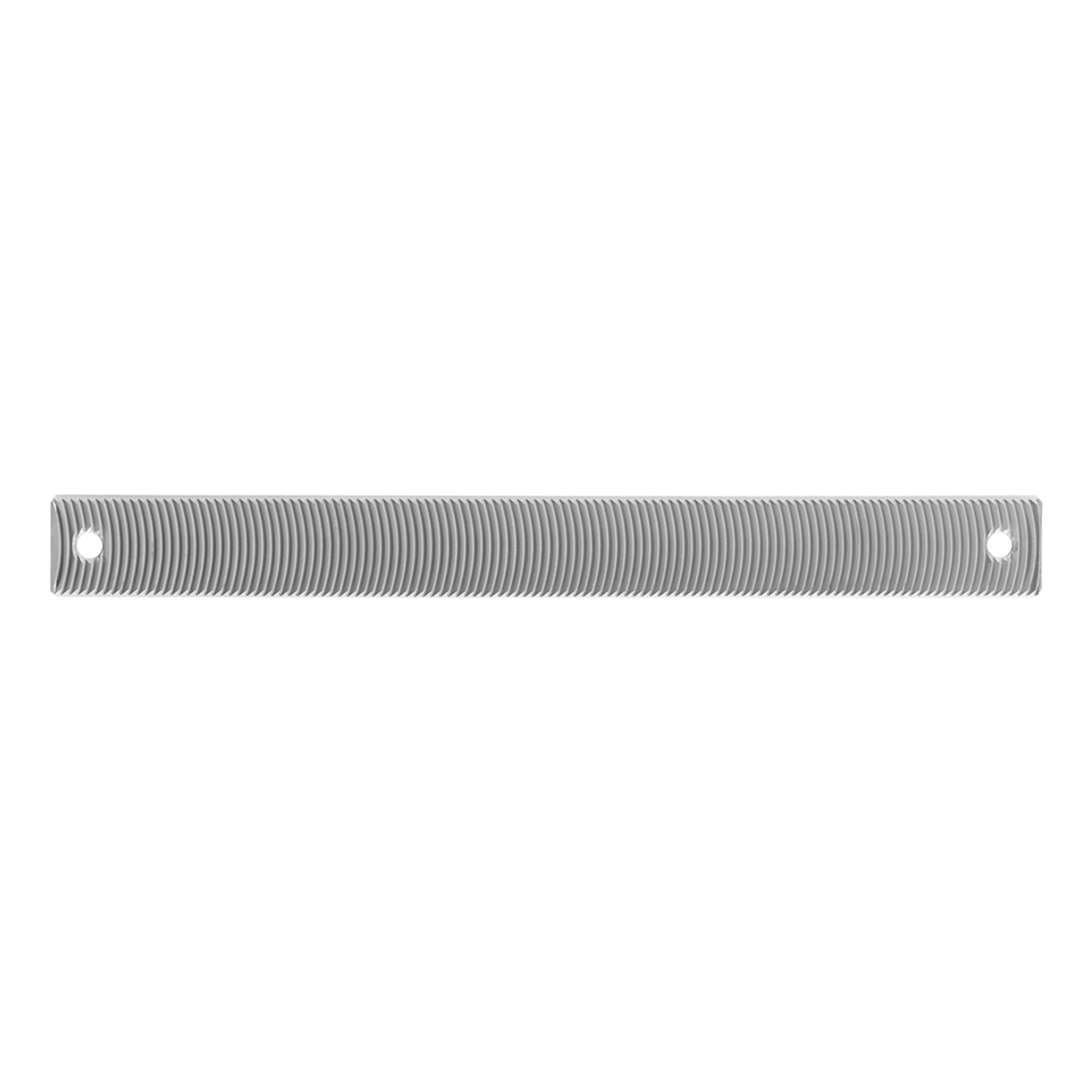
| Length | 300mm |
|---|---|
| Teeth Per Inch | 9 |
| Type | Coarse |
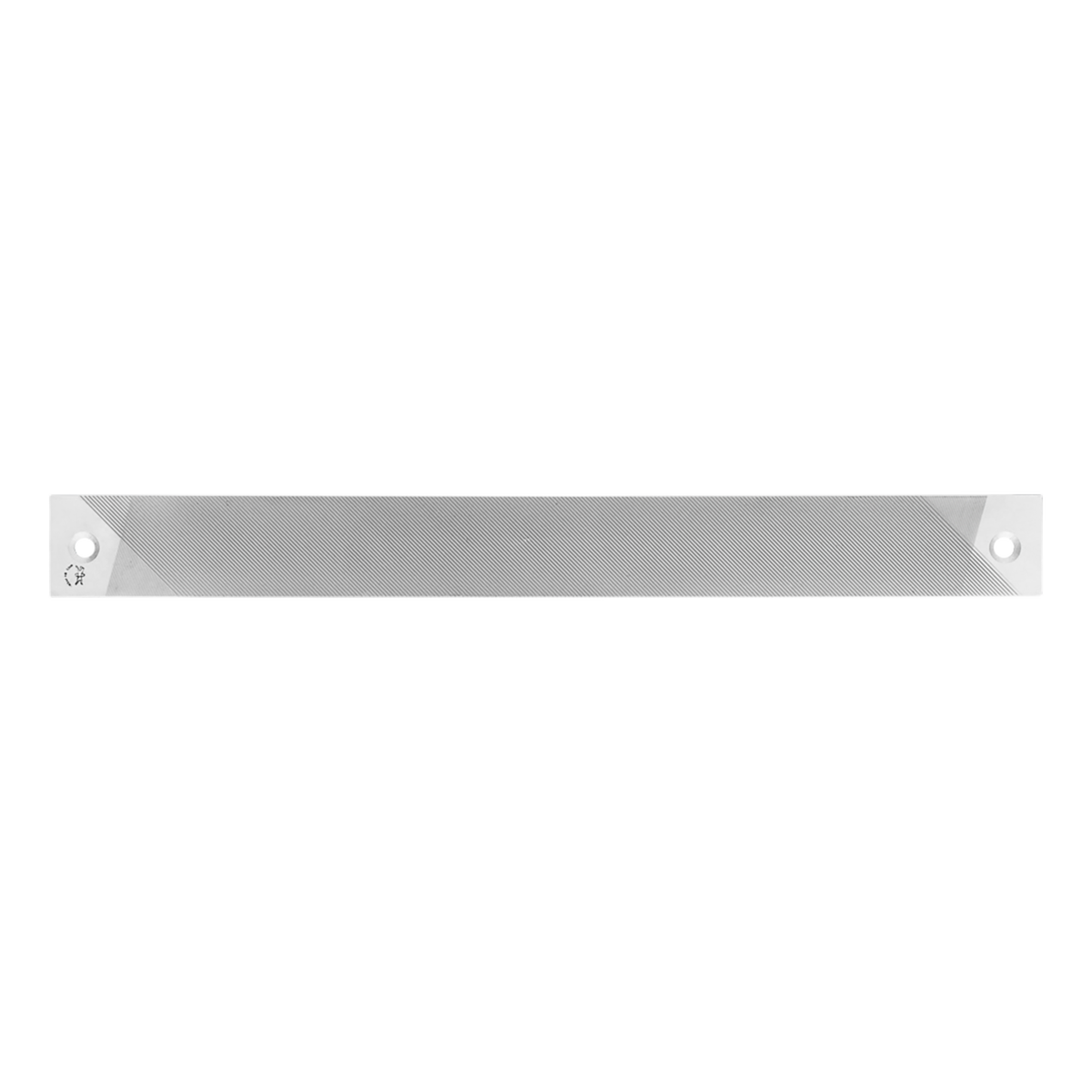
| Length | 350mm |
|---|---|
| Type | Special Cross Cut |
| Length | 300mm |
|---|---|
| Teeth Per Inch | 10 |
| Type | Coarse |
| Length | 300mm |
|---|---|
| Teeth Per Inch | 12 |
| Type | Fine |
| Length | 350mm |
|---|---|
| Teeth Per Inch | 8 |
| Type | Very Coarse |
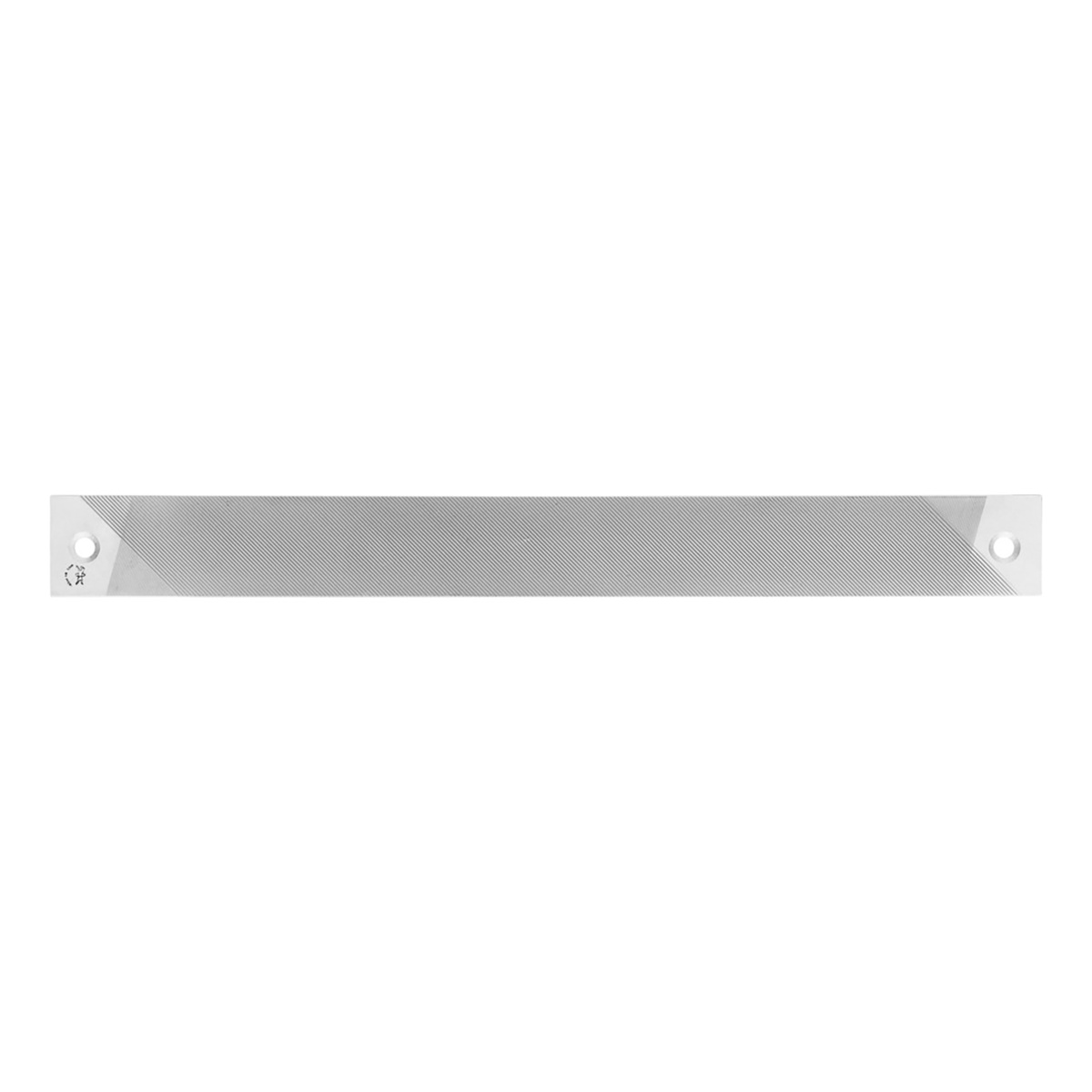
| Length | 350mm |
|---|---|
| Teeth Per Inch | 10 |
| Type | Medium |
| Length | 350mm |
|---|---|
| Teeth Per Inch | 7 |
| Type | Extra Coarse |
| Length | 350mm |
|---|---|
| Teeth Per Inch | 9 |
| Type | Coarse |
| Length | 350mm |
|---|---|
| Teeth Per Inch | 12 |
| Type | Fine |

By sharing your email, you agree to our privacy policy & terms of service


 Cart
Cart


 POPULAR CATEGORY


