

 Cart
Cart


 POPULAR CATEGORY


 ADD TO CART


| SERVICE | DELIVERY PRICE | DELIVERY TIME |
|---|---|---|
| Standard Delivery | £29.99 | 7 to 10 working days |
| SERVICE | DELIVERY PRICE | DELIVERY TIME |
|---|---|---|
| Standard Delivery | £29.99 | 7 to 10 working days |
| SERVICE | DELIVERY PRICE | DELIVERY TIME |
|---|---|---|
| Standard Delivery | £5.99 | 2 to 4 working days |
| Next Day | £15.54 |
| SERVICE | DELIVERY PRICE | DELIVERY TIME |
|---|---|---|
| Standard Delivery | £29.99 | 5 to 7 working days |
| SERVICE | DELIVERY PRICE | DELIVERY TIME |
|---|---|---|
| Standard Delivery | £29.99 | 7 to 10 working days |
Product Number: 02676
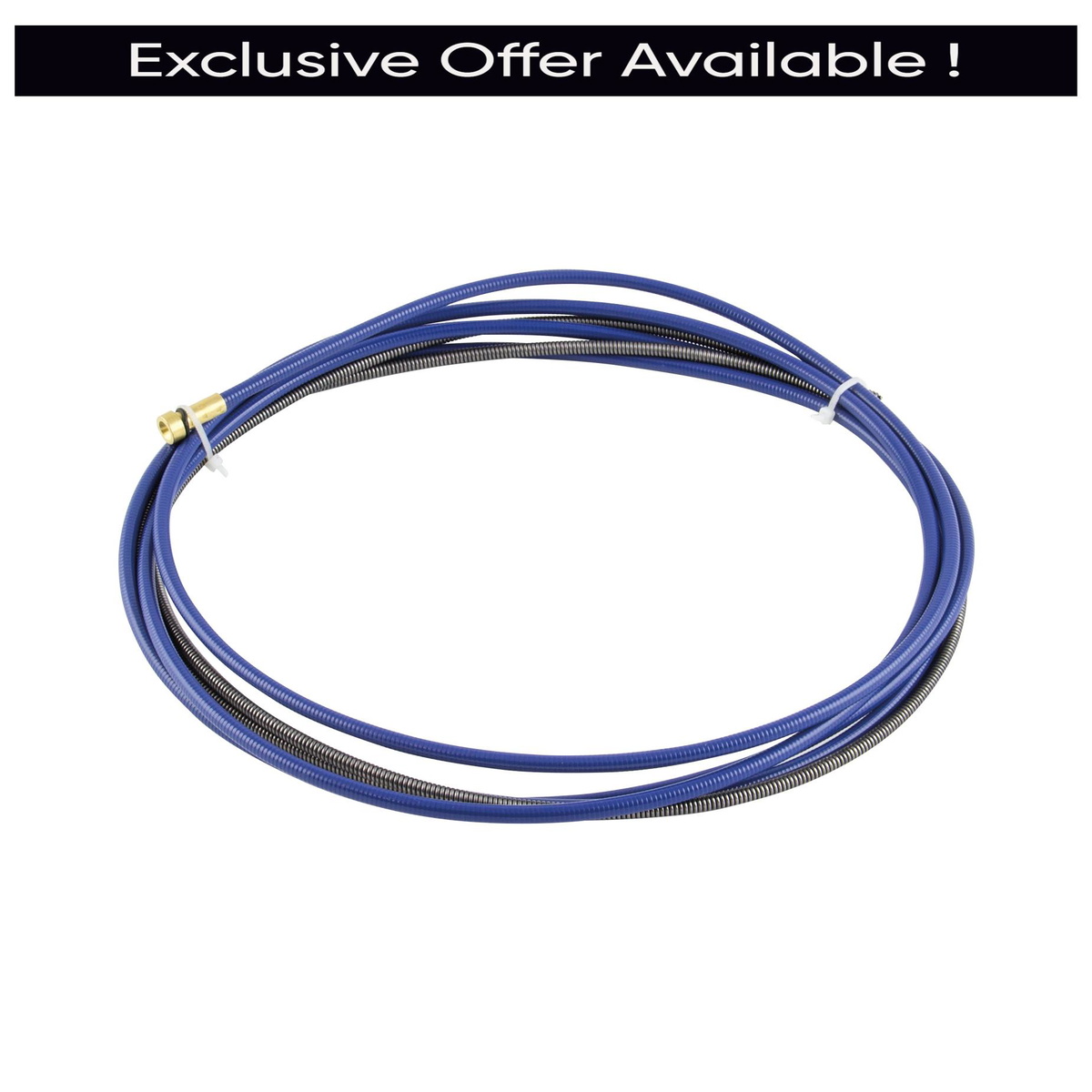
The SIP 02676 torch liner handles Ø 0 — 60mm welding wire across its 3mtr run, manufactured from steel for low-friction wire guidance. Replacement torch liner for MIG welding torches. Also found under mig torch liner, steel liner, teflon liner in the PartsForMachines.com welding range.
Additional Information:
The SIP 3mtr 0.6mm - 0.9mm Blue Steel Torch Liner is manufactured from high-quality steel to ensure that MIG welding wire can be effortlessly and efficiently guided through welding torches to the contact tip with no interruptions.About PartsForMachines:
PartsForMachines is a premier e-commerce platform, founded in 2019 in Warwickshire, UK, specializing in aftermarket parts and services for construction, agriculture, and industrial machinery. We offer an extensive catalog of over 500,000 products. Standard delivery: 1–3 working days within UK mainland. We are proud to be an authorised distributor, giving customers extra confidence when purchasing genuine products from us. In addition, we provide a 30-day return policy for eligible items.
| ITEM NO | 02676 |
|---|---|
| Liner Type | Steel |
|
Liner Colour Blue
|
|
| Liner Length | 3mtr |
| Min. Torch Size | Ø 0.60mm |
| Max. Torch Size | Ø 0.90mm |
| Engine Parts | Product Number | Product Name | Recommended Units | Product Price |
|---|
 Standard Delivery: £5.99
 Next Day Delivery Available
 Delivery Estimate: 2 to 4 working days
 Save Extra With 1 Offer
 Compare With Similar Items
Compare with Similar products
|
|||||
| Technical Specification | |||||
|---|---|---|---|---|---|
| PRODUCT NUMBER | 24668 | SCS029S | 23553 | 03740 | 04146 |
| Type | Machine Spare | Machine Spare | Machine Spare | Machine Spare | Machine Spare |
| Load | 9kg | ||||
| Suitable For | Plastic | ||||
A. The SIP 02676 is rated for 0.6 - 0.9mm wire diameter. Always match liner bore to wire — an undersized liner causes feed resistance and burn-back; an oversized bore allows the wire to coil inside and jam.
A. The SIP 02676 is a 0.9m liner. Ensure the liner length matches or slightly exceeds your torch lead length — a liner that is too short leaves an unlined section that causes wire feed resistance near the contact tip.
A. Replace the liner when wire feed hesitates despite clean drive rolls and correct spool tension, when you see swarf (fine metal particles) coming from the nozzle, or when the liner is kinked beyond straightening. A worn liner is the single most common hidden cause of erratic MIG performance.
A. Yes — the SIP 02676 is a steel spiral liner, the standard type for mild steel and stainless steel MIG wire. For aluminium wire, use a PTFE (Teflon) liner instead — aluminium is too soft for steel liners.
A. Remove the contact tip and gas nozzle. Disconnect the torch from the machine. Pull the old liner from the gun (nozzle) end. Feed the new SIP 02676 liner from the machine end through to the torch body. Trim at the nozzle end — leave approximately 5mm proud of the contact tip holder. Refit the contact tip and nozzle. Feed wire through to check smooth travel before welding.
A. The SIP 02676 liner is designed for SIP torch bodies in the specified diameter range. Liners are not fully universal — check the liner outer diameter matches your torch liner guide tube before ordering. Most MIG torch liners fit a standard 4mm OD liner guide, but always verify.
A. Yes — a contaminated or worn liner creates intermittent wire feed resistance that produces current spikes and arc instability. These symptoms are often mistaken for machine faults or incorrect voltage settings. Always check the liner before adjusting machine parameters.
A. Premature liner wear is caused by: using wire that is too large for the liner bore, running excess drive roll pressure that scores the wire surface and creates swarf, kinking the torch lead, or using non-matched wire types (steel liner with aluminium wire). Keep the torch lead coiled loosely and avoid tight bends.
A. At minimum you need a welding helmet or headshield (auto-darkening recommended), leather welding gauntlets, a fire-resistant apron or jacket, and steel-toe boots. For enclosed spaces, a fume extractor or respirator is essential. A welding curtain or screen protects bystanders from UV flash. Keep a fire extinguisher accessible.
A. Yes — UK stocked for fast despatch. Check availability at PartsForMachines.com. Orders placed before the daily cut-off are dispatched same or next working day. Check the product page for current delivery estimates.
By sharing your email, you agree to our privacy policy & terms of service
 Question about this product? Click here