


 Filters


Spot welder arms pick on three points: the length, the electrode form, and the arm diameter. The range here runs the matrix in full, 120mm and 350mm arms, each with straight, offset or swan neck electrodes, in both 16mm and 20mm arm diameters, plus restricted access forms for the tight reaches, so the machine dictates the diameter and the panel dictates the rest of the choice.
The five piece bodywork kit collects the common 16mm arm and electrode forms into one case, the everyday panel joints covered without buying arms singly, and the CSW25P column spot welder has its watercooler listed as a named spare for the water cooled installations. The arm diameter is read straight off the old arms with a caliper or from the machine specification, and each listing states length, form and diameter together, so one measurement and one look at the panel choose the pair.
The dent pulling side is a system of small parts around the stud welder: M6 studs that weld to the panel, round and OT washers, hooks and the washer connector, the manual cupule, and the slide hammer with chuck that does the pulling. Studs and washers are the consumables of the trade: a stud is welded on, pulled, then cut flush and dressed, used once per pull and bought in quantity, with the washer methods covering the pulls a stud cannot reach.
The air hammer spot weld breaker chisel serves the opposite job entirely, splitting old spot welds apart for clean panel removal. Machines themselves, spot welders and stud welder kits, sit in the workshop machine ranges, while this shelf keeps them armed. An unmarked arm or stud photographed over WhatsApp on 07754288583 gets named against its machine.

| Model No | SR2000.AM |
|---|---|
| Brand | Sealey |
| Nett Weight | 0.005kg |
| Pack Qty | 10 |
| Size | 5 x 15mm |

| Model No | SR2000.AMS |
|---|---|
| Brand | Sealey |
| Nett Weight | 0.005kg |
| Pack Qty | 10 |
| Size | 5 x 15mm |


| Model No | SR2000.TW |
|---|---|
| Brand | Sealey |
| Nett Weight | 0.02kg |
| Pack Qty | 10 |
| Size | 8 x 20 x 1mm |

| Model No | SR2000.SW |
|---|---|
| Brand | Sealey |
| Nett Weight | 0.04kg |
| Pack Qty | 10 |
| Size | 12 x 19 x 2mm |


| Model No | SR2000.PW |
|---|---|
| Brand | Sealey |
| Nett Weight | 0.04kg |
| Pack Qty | 10 |
| Size | 20 x 35 x 5mm |
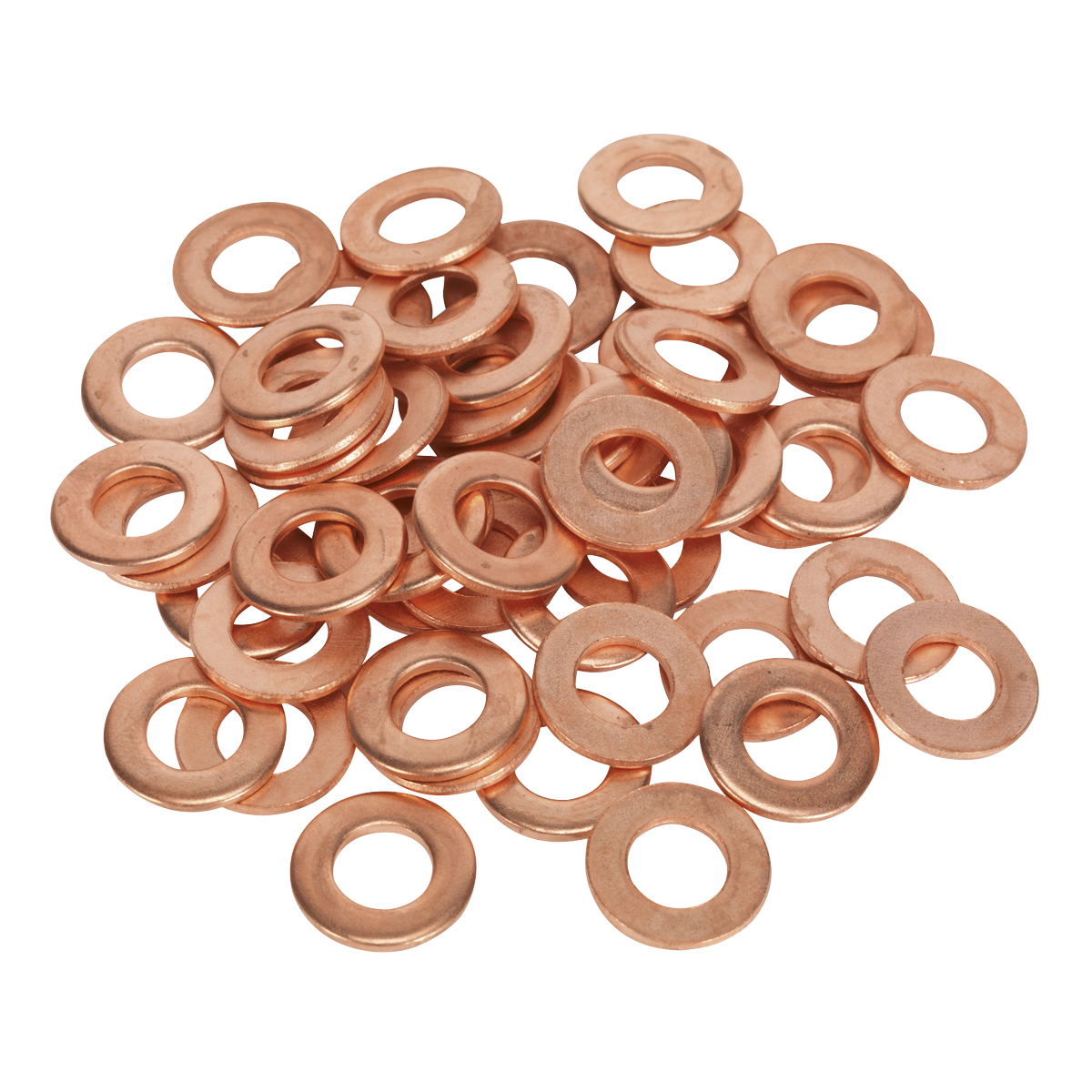
| Model No | PS/000450 |
|---|---|
| Brand | Sealey |
| Nett Weight | 0.085kg |
| Pack Qty | 50 |
| Size | Ø8 x Ø16 x 1.5mm |

| Model No | PS/0003 |
|---|---|
| Brand | Sealey |
| Nett Weight | 0.14kg |
| Pack Qty | 100 |
| Size | 2 x 50mm |

| Model No | PS/0002 |
|---|---|
| Brand | Sealey |
| Nett Weight | 0.20kg |
| Pack Qty | 100 |
| Size | 2.5 x 50mm |

| Model No | RE06W |
|---|---|
| Brand | Sealey |
| Nett Weight | 0.014kg |
| Quantity | 100 |
| Size | 0.6mm |


| Model No | PS/000250/200 |
|---|---|
| Brand | Sealey |
| Nett Weight | 0.404kg |
| Pack Qty | 200 |
| Size | 2.5 x 50mm |

| Model No | RE105/2 |
|---|---|
| Brand | Sealey |
| Nett Weight | 0.15kg |
| Pack Qty | 25 |


| ITEM NO | 25417 |
|---|---|
| Material | Copper/chrome alloy |
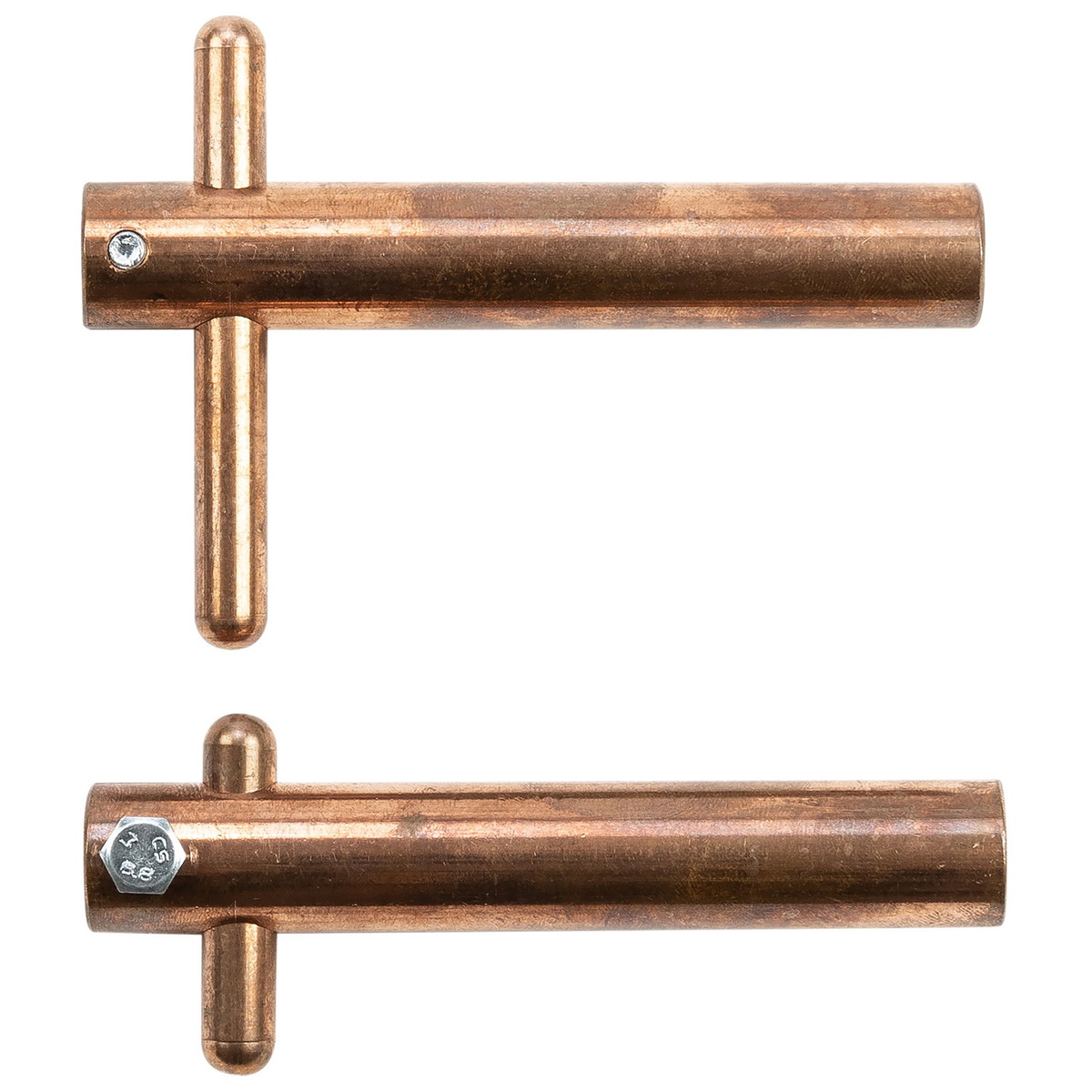
| ITEM NO | 25418 |
|---|---|
| Material | Copper/chrome alloy |

| ITEM NO | 25413 |
|---|---|
| Material | Copper/chrome alloy |

| ITEM NO | 25412 |
|---|---|
| Material | Copper/chrome alloy |

| ITEM NO | 25411 |
|---|---|
| Material | Copper/chrome alloy |

| Model No | SR2000TS |
|---|---|
| Brand | Sealey |
| Nett Weight | 0.29kg |

| ITEM NO | 25416 |
|---|---|
| Material | Copper/chrome alloy |

| ITEM NO | 25415 |
|---|---|
| Material | Copper/chrome alloy |

| ITEM NO | 25419 |
|---|---|
| Material | Copper/chrome alloy |


| ITEM NO | 25414 |
|---|---|
| Material | Copper/chrome alloy |

| ITEM NO | 25410 |
|---|---|
| Material | Copper/chrome alloy |

| Model No | 120/803158 |
|---|---|
| Application(s) | SR122, SR123 |
| Brand | Sealey |
| Electrodes Model No's | 120/690046, 120/690052 |
| Length | 120mm |
By sharing your email, you agree to our privacy policy & terms of service


 Cart
Cart


 POPULAR CATEGORY


