Phone Phone 01926754100 Cart Cart
Fit guarantee icon
FIT GUARANTEE or Hassle-Free Returns
Quick delivery icon
QUICK DELIVERY On All Products Across UK
Customer support icon
GREAT SUPPORT 24/7 Support For Any Query
rating icon
TOP RATED Trusted by Our Customers

Shop by Sub Category

FAQs

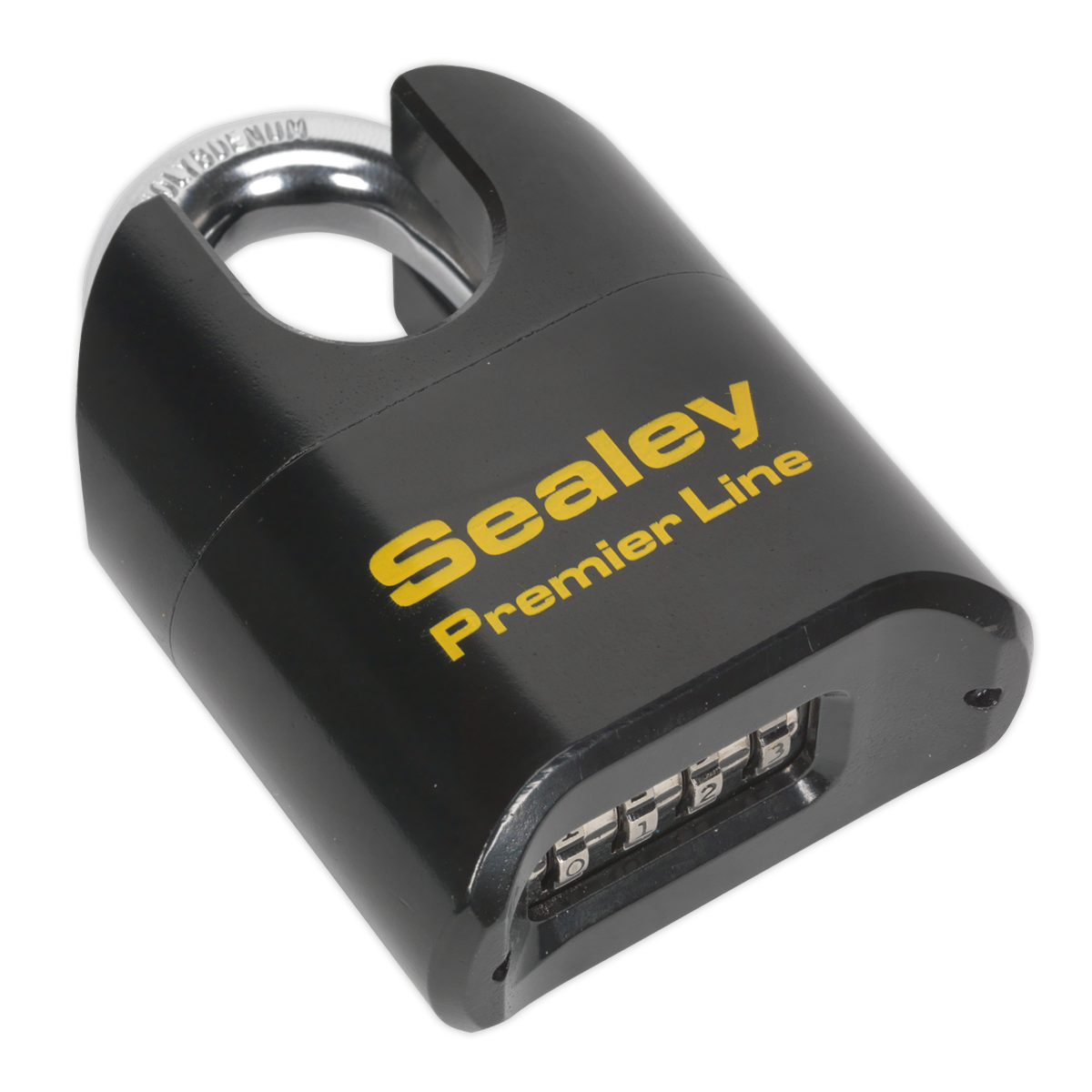
How much of the lock can be attacked. A close shackle recesses almost all of it into the body, leaving nothing for a tool to get behind. A standard shackle is exposed on both sides.

Where it has to pass through something a standard shackle cannot reach round. That is a fitment decision, and it accepts more exposure in exchange for the reach.

Brass does not corrode and suits outdoor use. Laminated steel is built up from plates and is harder to cut. Both are held across most of the width range.

How much material is round the mechanism, and it usually rises with shackle thickness. Widths run 30mm to 63mm, and a wider body is more resistant as well as heavier.

A set opening on one key, held in packs of 4 with 12 keys and in 6-packs at 40mm and 60mm. That means one key to carry and one key to lose across several locks.

Where access is shared and handing over a key is impractical. The combination is the credential, so it is shared rather than issued and returned.

Clear

Padlocks

FilterFilters
View as Grid List

Shackle form decides how much of the lock can be attacked rather than how strong it is. A standard shackle is exposed on both sides. A close shackle recesses almost all of it into the body, leaving nothing for a tool to get behind. A long shackle does the opposite deliberately, to pass through what a standard one cannot. Reading the shackle form before the body size is what matches the lock to how it will be attacked.

Body material and width set the resistance. Brass does not corrode and suits outdoor use. Laminated steel is built up from plates and is harder to cut. Width runs 30mm to 63mm, and a wider body carries a thicker shackle as well as more material round it.

Keyed alike is a convenience decision with a security consequence. A set of locks opening on one key means one key to carry and one key to lose, and packs of 4 with 12 keys and 6-packs at 40mm and 60mm are held for a site with several points to secure. Keyed alike also means one compromised key opens every lock in the set rather than one.

Combination locks remove the key entirely, which suits shared access where handing over a key is impractical. The combination is the credential, and it is shared rather than issued. Send what is being secured to 07754288583 on WhatsApp. Shrouded shackle forms sit between standard and close, covering part of the shackle rather than all of it.

Show Only My Country Products
In this feature, you can view only your country products.
Showing 31 to 37 of 37 entries
FAQs

How much of the lock can be attacked. A close shackle recesses almost all of it into the body, leaving nothing for a tool to get behind. A standard shackle is exposed on both sides.

Where it has to pass through something a standard shackle cannot reach round. That is a fitment decision, and it accepts more exposure in exchange for the reach.

Brass does not corrode and suits outdoor use. Laminated steel is built up from plates and is harder to cut. Both are held across most of the width range.

How much material is round the mechanism, and it usually rises with shackle thickness. Widths run 30mm to 63mm, and a wider body is more resistant as well as heavier.

A set opening on one key, held in packs of 4 with 12 keys and in 6-packs at 40mm and 60mm. That means one key to carry and one key to lose across several locks.

Where access is shared and handing over a key is impractical. The combination is the credential, so it is shared rather than issued and returned.

Get exclusive updates on offers & latest trends in construction industry

By sharing your email, you agree to our privacy policy & terms of service