


 Filters


Capacity is the obvious figure but material is what decides whether the bucket survives the job. Mixing plaster in a thin plastic bucket splits it at the first scrape of a trowel, and carrying hot or solvent-based material in the wrong plastic softens it while it is being carried. Reading the material against the job rather than the volume is what avoids a bucket used once.
A plasterers mixing bucket at 25L is built for that specific abuse: thick walls that take a trowel edge and a shape that lets the mix be scraped out rather than left in the corners. That is a different product from a general bucket at similar volume. The 25L volume also suits a full bag of mix rather than a part of one.
A flexible bucket at 42L works on the opposite principle, flexing rather than resisting, which lets set material be flexed out rather than chipped off. That makes it the practical choice where the same bucket holds a different mix each time. Flexing also means a flexible bucket stores collapsed rather than taking a full footprint.
Galvanised steel at 12L survives heat, solvent and being dropped, which plastic does not, at the cost of weight and corrosion at any point the coating is broken. Mop buckets add a wringer and compartments, which is a cleaning fitment rather than a carrying one. Send the material being carried to 07754288583 on WhatsApp. Colour is used to keep clean and dirty water apart rather than as a finish choice.


| Model No | BM16 |
|---|---|
| Brand | Sealey |
| Capacity | 14L |
| Nett Weight | 0.52kg |

| Model No | SFT30 |
|---|---|
| Base Size | Ø360mm |
| Brand | Sealey |
| Colour | Black |
| Dimension (W x D x H) | 470 x 425 x 275mm |

| Model No | SFT26H |
|---|---|
| Base Size | Ø265mm |
| Brand | Sealey |
| Colour | Black |
| Dimension (W x D x H) | 400 x 355 x 325mm |

| Model No | SFT40 |
|---|---|
| Base Size | Ø350mm |
| Brand | Sealey |
| Colour | Black |
| Dimension (W x D x H) | 485 x 460 x 380mm |


| Model No | WC10 |
|---|---|
| Brand | Sealey |
| Capacity | 10L |
| Nett Weight | 0.37kg |

| Model No | SFT40Y |
|---|---|
| Base Size | Ø340mm |
| Brand | Sealey |
| Colour | Yellow |
| Dimension (W x D x H) | 520 x 450 x 345mm |


| Model No | SFT65 |
|---|---|
| Base Size | Ø440mm |
| Brand | Sealey |
| Colour | Black |
| Dimension (W x D x H) | 630 x 550 x 380mm |

| Model No | WC20 |
|---|---|
| Brand | Sealey |
| Capacity | 20L |
| Nett Weight | 0.66kg |

| Model No | BM8L |
|---|---|
| Brand | Sealey |
| Capacity | 12L |
| Nett Weight | 1.05Kg |

| Model No | WC10T |
|---|---|
| Brand | Sealey |
| Capacity | 10L |
| Nett Weight | 0.56kg |

| Model No | WC30 |
|---|---|
| Brand | Sealey |
| Capacity | 30L |
| Nett Weight | 0.855kg |
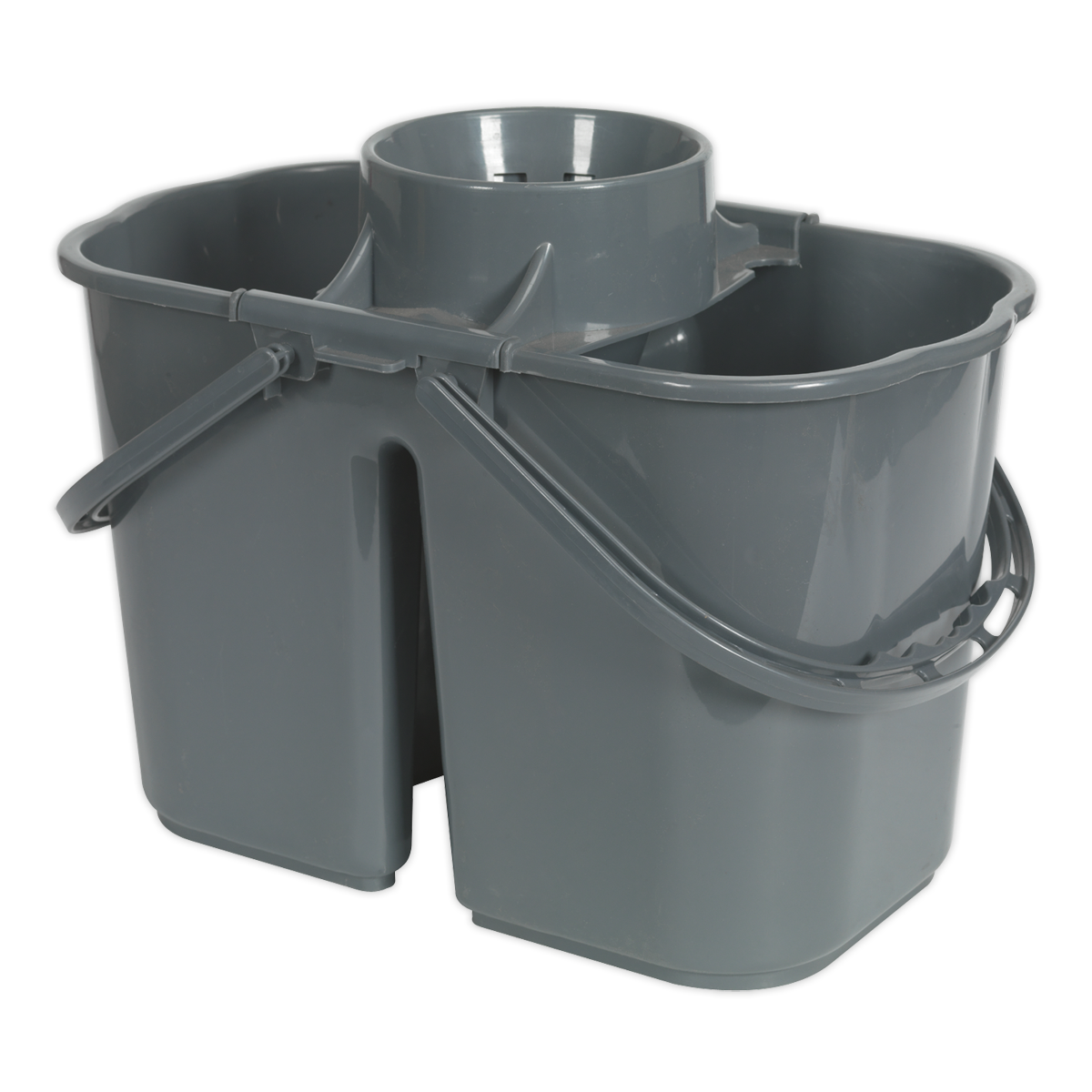
| Model No | BM07 |
|---|---|
| Brand | Sealey |
| Capacity | 15L |
| Nett Weight | 1.08kg |

| Model No | WC20T |
|---|---|
| Brand | Sealey |
| Capacity | 20L |
| Nett Weight | 0.92kg |

| Model No | WC35T |
|---|---|
| Brand | Sealey |
| Capacity | 35L |
| Nett Weight | 1.25kg |

| Model No | BM08 |
|---|---|
| Brand | Sealey |
| Nett Weight | 1.12kg |

| Model No | BM09 |
|---|---|
| Brand | Sealey |
| Capacity | 20L |
| Nett Weight | 3.49kg |


By sharing your email, you agree to our privacy policy & terms of service




 Cart
Cart


 POPULAR CATEGORY


