


 Filters


Blade width sets how much of the brick face is taken in one blow. A 75mm blade cuts a brick that is already scored and works into a joint. A 100mm blade spans a full brick width, which means the cut is made in one strike rather than worked across in two. Reading the blade against the brick rather than the wall is what settles the width question.
That difference decides how clean the break is. A cut made in stages tends to wander at the point where the two strikes meet, which is why the wider blade is the one used where the face has to be presentable rather than buried in the wall. A bolster with a chipped or rolled edge also loses the clean line it was bought to give.
The hand guard is not a comfort fitting. A bolster is struck with a club hammer and a missed strike lands on the hand holding it, which is why guard forms are held at both widths rather than only on the larger one. Guard forms also let the bolster be held further down the shank without exposing the hand.
Supply form is a stocking decision rather than a product one. Loose bolsters suit a trade buyer replacing a worn tool; display packed bolsters suit a counter. Both carry the same blade. Send the brick and the cut needed to 07754288583 on WhatsApp. Blade width is stated on every listing rather than being judged from the photograph.

| Model No | BB02 |
|---|---|
| Brand | Sealey |
| Length | 225mm |
| Nett Weight | 0.53kg |

| Model No | BB03 |
|---|---|
| Brand | Sealey |
| Length | 225mm |
| Nett Weight | 0.71kg |
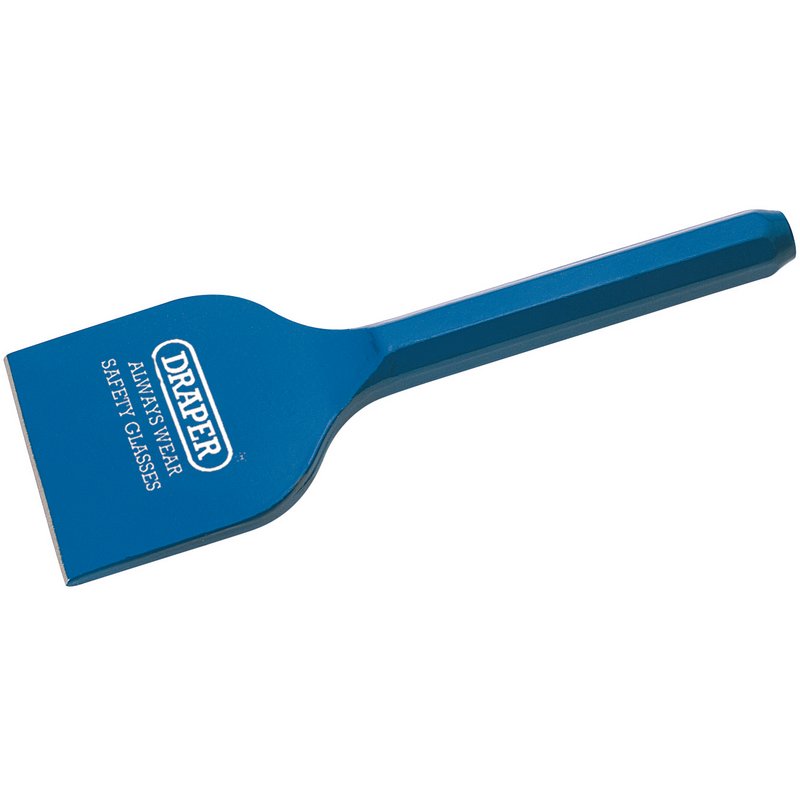


| Model No | BB02G |
|---|---|
| Brand | Sealey |
| Length | 225mm |
| Nett Weight | 0.7kg |

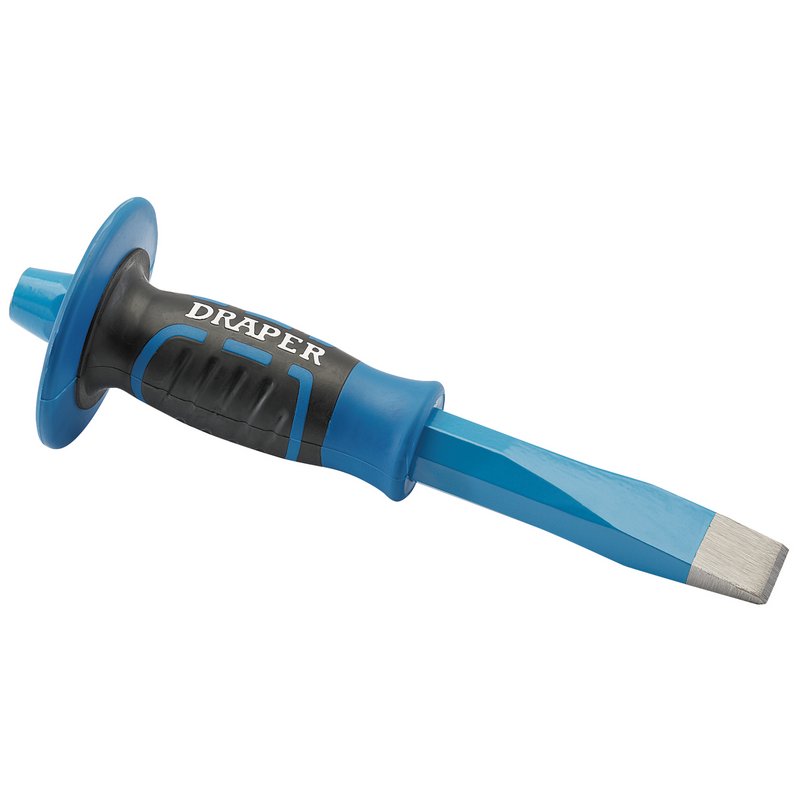


| Model No | BB03G |
|---|---|
| Brand | Sealey |
| Length | 225mm |
| Nett Weight | 0.8kg |


By sharing your email, you agree to our privacy policy & terms of service




 Cart
Cart


 POPULAR CATEGORY


