




 Cart
Cart


 POPULAR CATEGORY


 ADD TO CART


| SERVICE | DELIVERY PRICE | DELIVERY TIME |
|---|---|---|
| Standard Delivery | £19.95 | 7 to 10 working days |
| SERVICE | DELIVERY PRICE | DELIVERY TIME |
|---|---|---|
| Standard Delivery | £19.95 | 7 to 10 working days |
| SERVICE | DELIVERY PRICE | DELIVERY TIME |
|---|---|---|
| Standard Delivery | FREE | 1 to 2 working days |
| Next Day | £23.94 |
| SERVICE | DELIVERY PRICE | DELIVERY TIME |
|---|---|---|
| Standard Delivery | £19.95 | 5 to 7 working days |
| SERVICE | DELIVERY PRICE | DELIVERY TIME |
|---|---|---|
| Standard Delivery | £19.95 | 7 to 10 working days |
Product Number: 08320000
Additional Information
Standard Adjustable Leg Pullers
Dimensions:

Not suitable for use with air/impact tools.
About PartsForMachines:
PartsForMachines is a premier e-commerce platform, founded in 2019 in Warwickshire, UK, specializing in aftermarket parts and services for construction, agriculture, and industrial machinery. We offer an extensive catalog of over 500,000 products. Standard delivery: 1–3 working days within UK mainland. We are proud to be an authorised distributor, giving customers extra confidence when purchasing genuine products from us. In addition, we provide a 30-day return policy for eligible items.
| Product Dimenstions (L x W x H) | 340 x 220 x 110 mm |
|---|---|
| Product Weight | 5.345 Kg |
| Engine Parts | Product Number | Product Name | Recommended Units | Product Price | |
|---|---|---|---|---|---|
|
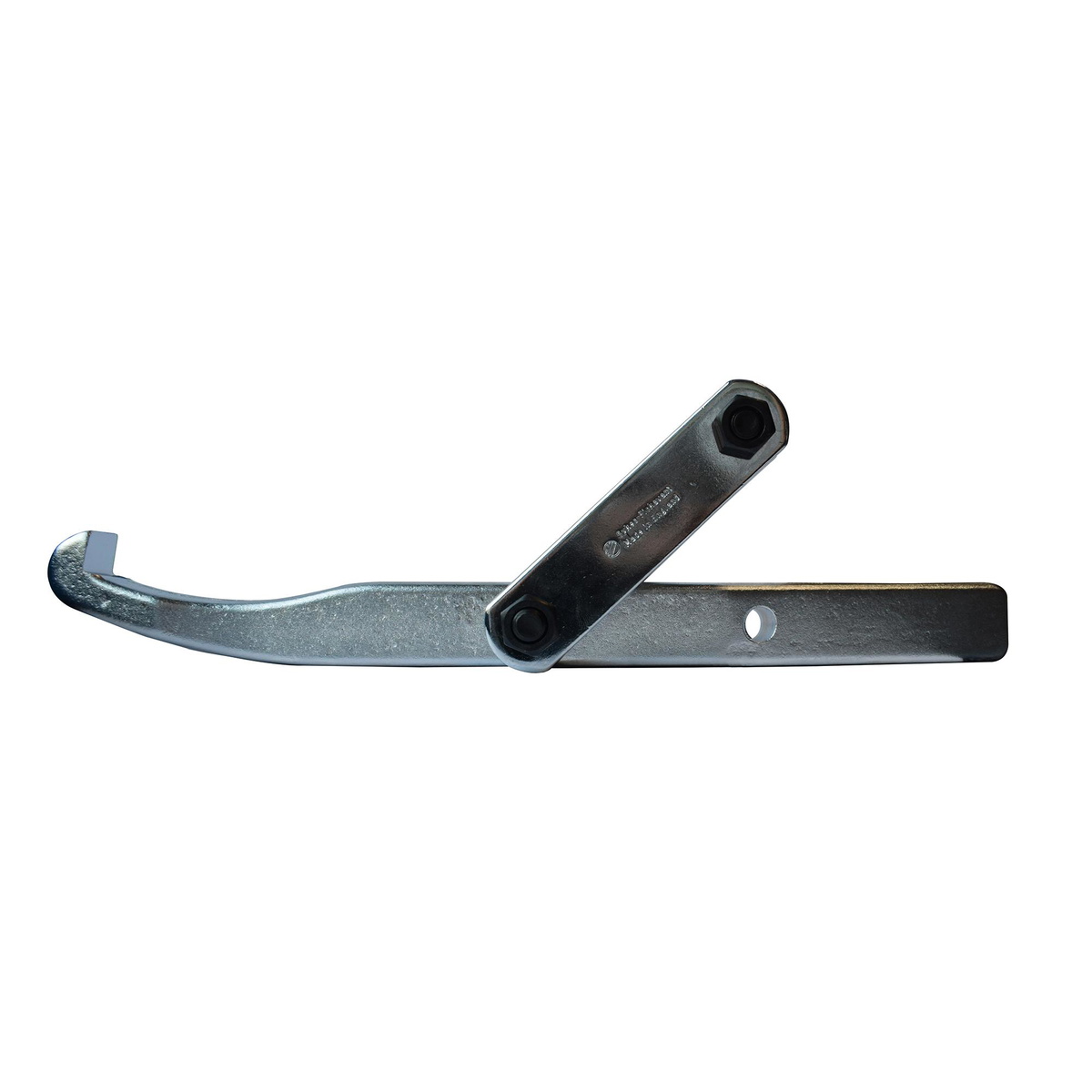
08291400 | Sykes Pickavant 08291400 LEG ASSEMBLY | 1 Unit |
£75.53
£74.05
|
Add |
|
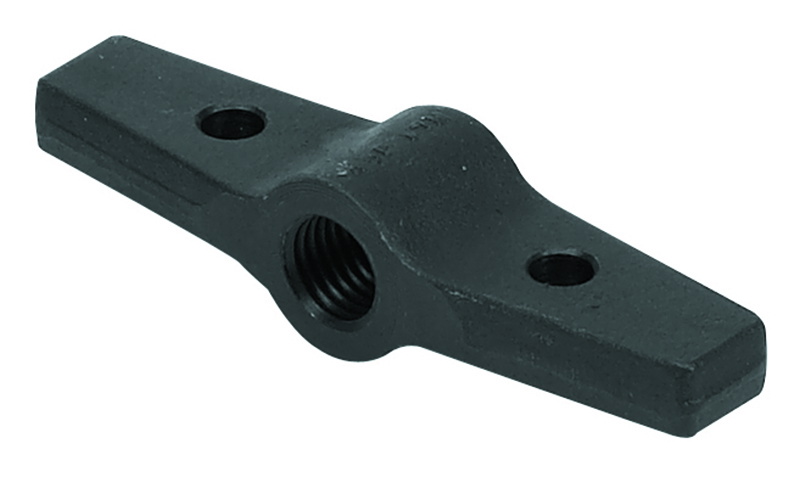
08291200 | Sykes Pickavant 08291200 BEAM - TWIN | 1 Unit |
£61.43
£60.23
|
Add |

|
8291100 | Sykes Pickavant 8291100 MECHANICAL SCREW | 1 Unit |
£38.45
£37.70
|
Add |
|
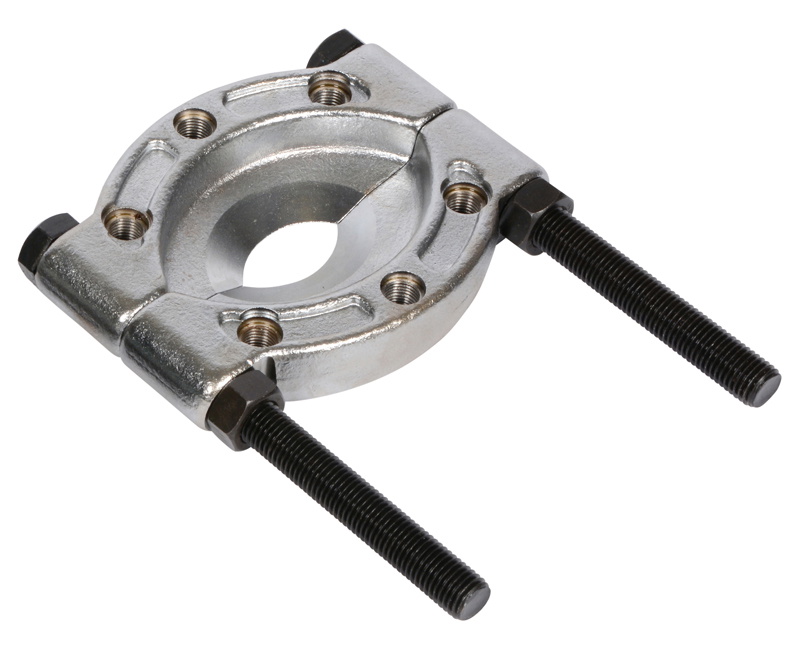
09520000 | Sykes Pickavant 09520000 BEARING SEPARATOR | 1 Unit |
£189.98
£186.25
|
Add |

How to select the right Puller for removing Gears, Hub Cap, Bearings, and Pulleys A puller is a specialized tool used to remove or extract objects such as gears, bearings, pulleys, and other components that are pressed onto a shaft or otherwise tightly fitted onto another part. Pullers typically use mechanical force, such as a threade...
 Standard Delivery: UK Mainland Free
 Next Day Delivery Available
 Delivery Estimate: 1 to 2 working days
 Save Extra With 1 Offer
 Compare With Similar Items
Compare with Similar products
|

Sykes Pickavant 8330000 MECHANICAL PULLER - TWIN LEG
£189.51
£185.79
2% OFF
Free delivery in UK Mainland
|

Sykes Pickavant 08300000 MECHANICAL PULLER - TWIN LEG
£79.38
£77.82
2% OFF
Free delivery in UK Mainland
|

Draper 12390 Bearing Separator and Puller Set 8 Piece
£58.84
£57.69
2% OFF
Free delivery in UK Mainland
|

Draper 12388 Double Bearing Separator and Puller Set 12 Piece
£75.88
£74.39
2% OFF
Free delivery in UK Mainland
|

Estwing EO25A Campers Axe with Tent Stake Puller 15"
£62.61
£61.38
2% OFF
Free delivery in UK Mainland
|
|
| Technical Specification | ||||||
|---|---|---|---|---|---|---|
| PRODUCT NUMBER | 8330000 | 08300000 | 11805 | 12390 | 12388 | 24092 |
| Length (mm) | 170 | 35 | ||||
| Product Dimenstions (L x W x H) | 450 x 210 x 170 mm | 240 x 175 x 35 mm | ||||
| Weight (kg) | 35 | 89 | ||||
A. It removes gears, bearings, races and sprockets using two adjustable legs and a central forcing screw.
A. Multiple positions allow you to set the jaws at different heights and spreads, adapting the puller to various component sizes.
A. They choose it when access is restricted on one side of the part or when two-leg gripping is sufficient.
A. Drop forging produces strong, durable legs and beams that resist bending under repeated high-load pulling tasks.
A. It is designed for controlled, hand-operated screw force; impact use could overload or damage the screw and jaws.
A. It offers a spread from zero up to about three hundred millimetres and a maximum reach of roughly two hundred fifty millimetres.
A. You can slide the legs to the best position, keeping the screw aligned with the shaft while gripping the component properly.
A. Removing large pulleys, bearings or sprockets from engine, gearbox or industrial shafts are typical uses.
A. Steady pulling avoids shock loads that can crack housings or deform components, giving a more controlled removal.
A. Keeping threads clean, lubricating the screw and storing the tool dry all help maintain performance."
By sharing your email, you agree to our privacy policy & terms of service
 Question about this product? Click here


