Phone Phone 01926754100 Cart Cart
Fit guarantee icon
FIT GUARANTEE or Hassle-Free Returns
Quick delivery icon
QUICK DELIVERY On All Products Across UK
Customer support icon
GREAT SUPPORT 24/7 Support For Any Query
rating icon
TOP RATED Trusted by Our Customers
FAQs

Stepping the edge of a repair section down so it sits flush over the existing panel rather than standing proud along the joint line.

Most of these tools do both, turning a 10mm flange for the overlap. They work in steel and aluminium sheet, with material thickness the limit rather than the material itself.

With a 5mm punch tool, which makes the hole without drilling. That leaves a cleaner edge and no swarf behind the panel where it would sit and corrode.

With a flat spot weld splitting tool, which separates the welds without cutting through the panel behind. That preserves the structure the new section will attach to.

Cryocobalt drills, which hold an edge in panel steel where a general purpose drill dulls quickly and then work-hardens the hole it is trying to cut.

A hand riveter at 255mm supplied with four nozzles, which covers the common rivet sizes for mechanical fixing where welding is not appropriate.

Clear

Riveting & Panel Fixing

FilterFilters
View as Grid List

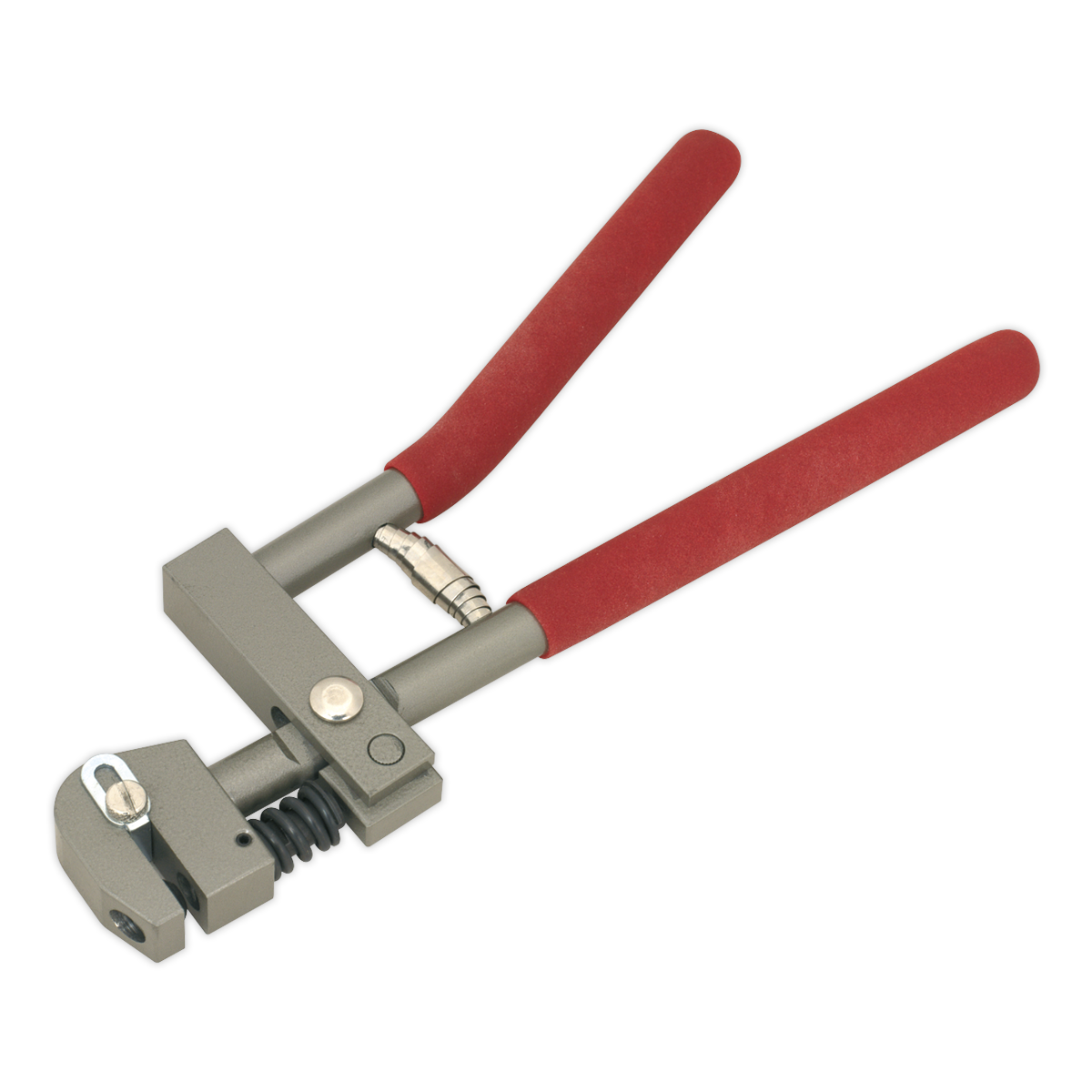
Joining a repair section to an existing panel starts with the edge preparation rather than the joining itself. A joggler steps the edge down so the new panel sits flush over the old one instead of standing proud along the joint. A joint that stands proud shows through paint however well it is filled afterwards.

The same tool usually flanges as well, turning a 10mm flange for the overlap, and the tools here work in both steel and aluminium sheet. Material thickness is what limits them, since a tool sized for panel steel will not form heavier gauge. A combined joggler, flanging and punch tool covers all three operations from one body.

Plug welding needs a hole rather than a flange. A 5mm punch tool makes the hole for a MIG or spot weld without drilling, which leaves a cleaner edge and does not leave swarf behind the panel where it will corrode. Punching also leaves the metal round the hole undisturbed, which the weld then keys into.

Taking a factory panel off means splitting its spot welds, and a flat spot weld splitting tool separates them without cutting through the panel behind. Cryocobalt drills stand up to the work where a general drill dulls. Hand riveters at 255mm with four nozzles cover mechanical fixing. Send the panel material to 07754288583 on WhatsApp. Rivet nuts and threaded inserts cover fixings where a rivet alone will not hold a load. Sealey hold the joggler, punch and splitter range with Sykes covering the drills that go with it.

Show Only My Country Products
In this feature, you can view only your country products.
Showing 1 to 13 of 13 entries
FAQs

Stepping the edge of a repair section down so it sits flush over the existing panel rather than standing proud along the joint line.

Most of these tools do both, turning a 10mm flange for the overlap. They work in steel and aluminium sheet, with material thickness the limit rather than the material itself.

With a 5mm punch tool, which makes the hole without drilling. That leaves a cleaner edge and no swarf behind the panel where it would sit and corrode.

With a flat spot weld splitting tool, which separates the welds without cutting through the panel behind. That preserves the structure the new section will attach to.

Cryocobalt drills, which hold an edge in panel steel where a general purpose drill dulls quickly and then work-hardens the hole it is trying to cut.

A hand riveter at 255mm supplied with four nozzles, which covers the common rivet sizes for mechanical fixing where welding is not appropriate.

Get exclusive updates on offers & latest trends in construction industry

By sharing your email, you agree to our privacy policy & terms of service