


 Filters


Within Ventilation, Air Ventilation covers the workshop fans, ventilation blowers, and air-movement equipment used to ventilate workshops, warehouses, agricultural buildings, and confined spaces — moving air into and out of workspaces to remove fumes, dust, heat, and stagnant air. Distinct from Dust Collector (which captures particulate at source), Air Ventilation moves air in bulk. Parts For Machines supplies workshop ventilation fans across the trade and industrial output ranges. Floor-standing axial fans (large diameter, high airflow, low pressure) are used for general space ventilation and shed cooling.
Centrifugal fans (smaller diameter, lower airflow, higher pressure) are used for ducted ventilation and where the airflow must overcome static pressure. Portable confined-space fans with flexible ducting are used for fume extraction from tank entries, manhole work, and confined-space servicing. Parts For Machines is an Authorised Distributor and Seller of SIP, Sealey, Clarke, and Rhino across the air ventilation range.
SIP covers the industrial axial fans and confined-space ventilators. Sealey extends the range with workshop fans and air movers. Clarke and Rhino extend the line at competitive trade pricing.
Product pages list airflow rating (in m³/h or CFM — typical workshop axial fans 5,000-30,000 m³/h, confined-space fans 1,500-3,500 m³/h), motor power (in W or kW), supply voltage (typically 230V single-phase, sometimes 110V site versions), fan diameter, noise level (in dB(A)), and weight. For ducted fans, the static pressure rating (in Pa) and inlet/outlet diameter are also listed. Always size the ventilation to the air-change rate needed: workshops typically need 4-8 air changes per hour for general ventilation; welding and grinding bays need 10-20 air changes per hour; confined-space work needs purpose-rated supply or extract fans with calibrated airflow. Trade pricing on multi-unit orders is available; contact the team via WhatsApp 07754288583.

| Voltage | 230V |
|---|---|
| Frequency | 50Hz |
| Rated input | 180W |
| Dimensions | W 34 x H 25 x D29.5 cm |
| Hose length | 5m |

| Voltage | 230V |
|---|---|
| Frequency | 50Hz |
| Rated input | 350W |
| Dimensions | W 42 x H 34 x D 42cm |
| Hose length | 5m |

| Voltage | 110V |
|---|---|
| Frequency | 50Hz |
| Rated input | 125W |
| Speed | low, med, high |
| Dimensions | W 72 x H 78 x D 27cm |

| Frequency | 50Hz |
|---|---|
| Voltage | 230V |
| Rated input | 15W |
| Diameter | 6" |
| No of speeds | 2 |

| Diameter | 16" |
|---|---|
| Rated input | 45W |
| Frequency | 50Hz |
| Voltage | 230V |
| No of speeds | 2 |

| Motor | 45W |
|---|---|
| Voltage | 220-240V |
| Speed | 1050 (low), 1150 (med) and 1250rpm (high) |
| Timer | 7.5 hours |
| Batteries (remote) | 2 x AA batteries |
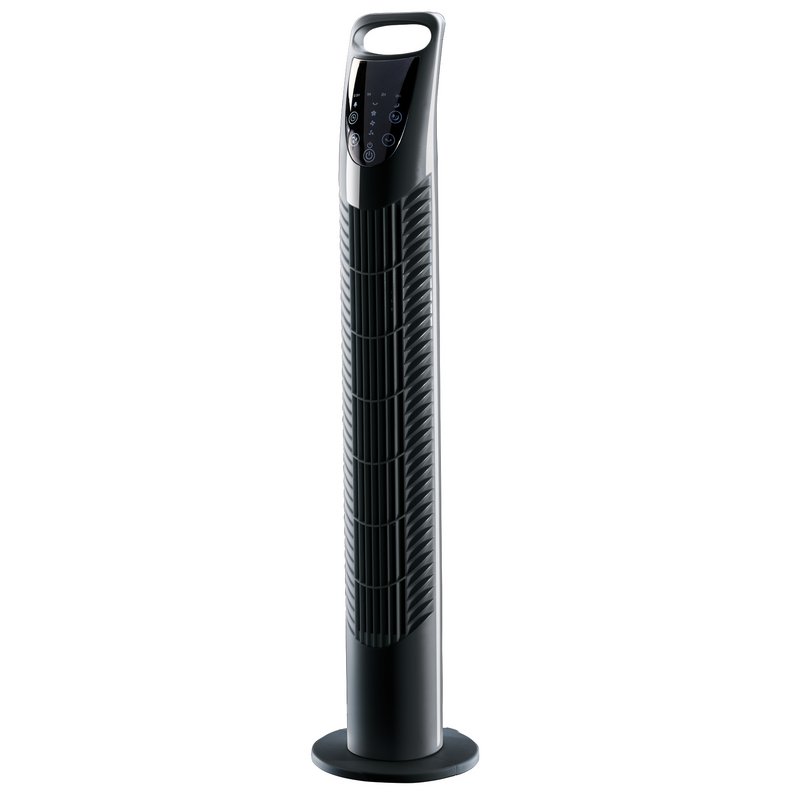
| Voltage | 230V |
|---|---|
| Frequency | 50Hz |
| Rated input | 40W |
| No of speeds | 3 |
| Dimensions | W 180 x H 790mm |

| Dimensions | W 500 x H 520 x D 270mm |
|---|---|
| Weights | 4.5kg |
| No of speeds | 3 |
| Diameter | 16" |
| Rated input | 60W |

| Voltage | 230V |
|---|---|
| Frequency | 50Hz |
| Rated input | 120W |
| No. of speeds | 3 |
| Speed | low, med, high |

| Voltage | 230V |
|---|---|
| Frequency | 50Hz |
| Rated input | 100W |
| Speed | low, med, high |
| Dimensions | W 50 x H 49 x D 18cm |

| Voltage | 230V |
|---|---|
| Frequency | 50Hz |
| Diameter | 18" |
| Dimensions | W 555 x H 550 x D 290mm |
| No of speeds | 3 |

| Voltage | 230V |
|---|---|
| Frequency | 50Hz |
| Rated input | 120W |
| No. of speeds | 3 |
| Speed | low, med, high |

| Voltage | 230V |
|---|---|
| Frequency | 50Hz |
| Rated input | 120W |
| Speed | low, med, high |
| Dimensions | W 59 x H 57 x D 20 cm |

| Voltage | 230V |
|---|---|
| Frequency | 50Hz |
| Rated input | 120W |
| Speed | low, med, high |
| Height adjustable | 1,300–1,650mm |

| Voltage | 230V |
|---|---|
| Frequency | 50Hz |
| Rated input | 120W |
| Speed | low, med, high |
| Dimensions | W 72 x H 78 x D 27cm |

| Voltage | 230V |
|---|---|
| Frequency | 50Hz |
| Diameter | 24" |
| Air flow volume | 4.017m3/h |
| Noise level | 87dBA |

| Voltage | 230V |
|---|---|
| Frequency | 50Hz |
| Rated input | 125W |
| Speed | low, med, high |
| Dimensions | W 91 x H 91 x D 32cm |

| Voltage | 110V |
|---|---|
| Frequency | 50Hz |
| Rated input | 125W |
| Speed | low, med, high |
| Dimensions | W 91 x H 91 x D 32cm |

|
No of speeds::2
|
|
| Frequency | 550Hz |
|---|---|
| Voltage | 230V |
| Rated input | 410W |
| Diameter | 36" |
By sharing your email, you agree to our privacy policy & terms of service





 Cart
Cart


 POPULAR CATEGORY


