


 Filters


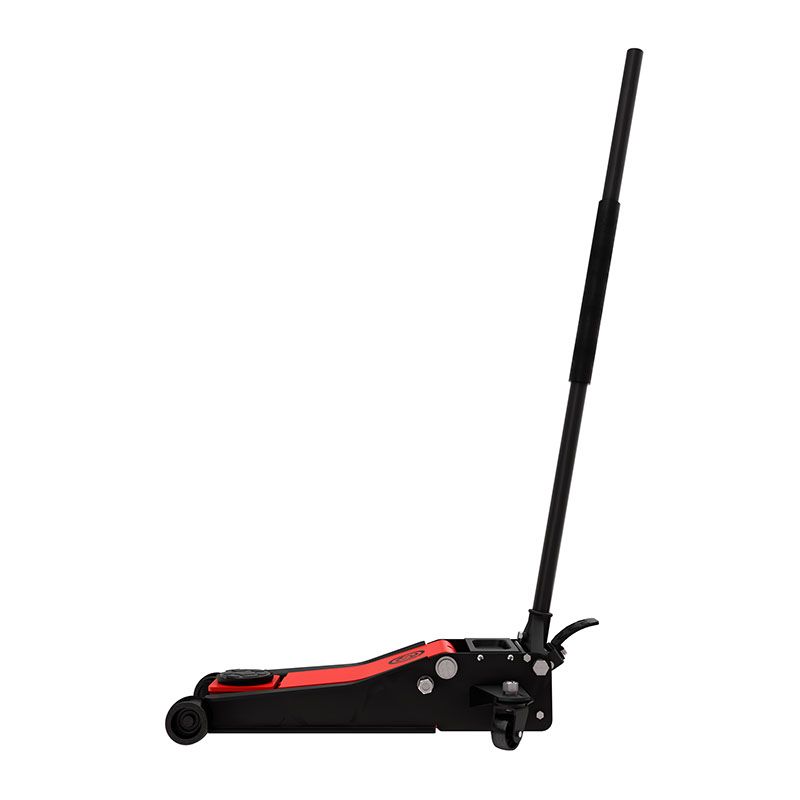
Capacity on a trolley jack covers the corner being lifted rather than the whole vehicle, because only part of the weight comes onto the jack at any one time. That is why a 2 tonne jack lifts a car comfortably, and why matching jack capacity to kerb weight leads to buying far more jack than the job needs. The heavier jacks here exist for commercial vehicles rather than for cars that a smaller jack cannot manage.
Minimum entry height is the figure that decides whether the jack goes under the vehicle in the first place. A lowered car, or one already on ramps, needs a low entry or low profile body that a standard jack will not match, and no amount of capacity compensates for a jack that will not fit beneath the sill.
Chassis length decides how far in the saddle reaches. A long chassis jack at 10 tonne reaches a lifting point well inboard on a commercial vehicle, where a standard body would stop short. That is a different problem from entry height and needs its own answer. Draper hold a 10 tonne long chassis body for that work with low entry and low profile jacks alongside.
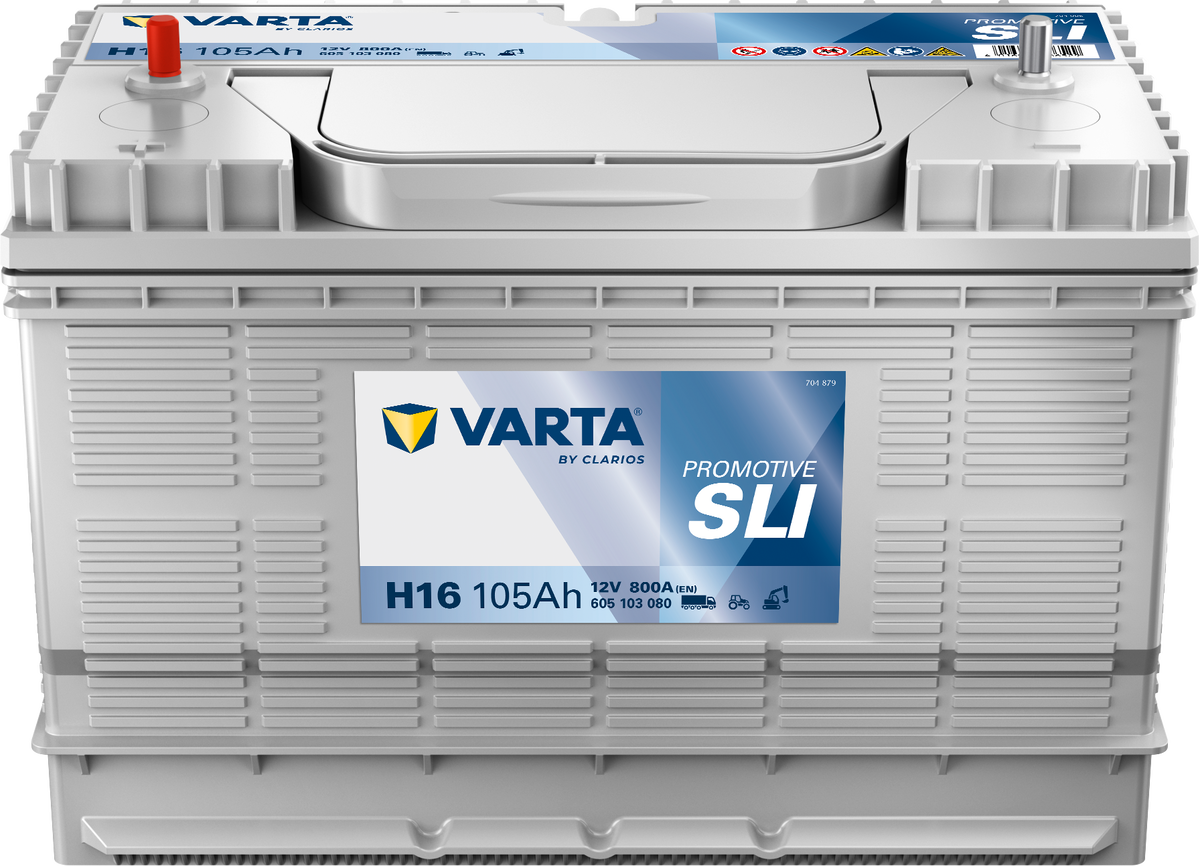
Twin piston mechanisms raise the saddle in fewer strokes, and aluminium racing bodies cut the weight for a jack that is carried rather than wheeled. A battery trolley jack at 5 tonne removes pumping entirely. Jacks lift but do not support, so stands take the weight before work begins. Questions go over WhatsApp on 07754288583.

| Max Lifting Capacity | 2 ton(s) |
|---|---|
| Wheel type | Nylon |
| Stroke | 430 mm |

| Max Lifting Capacity | 1.5 ton(s) |
|---|---|
| Wheel type | Steel |
| Capacity | Oil capacity |
| Stroke | 530 mm |
| Weight | 50.4 kg |
| Main Material type | Steel |
|---|---|
| Max Lifting Capacity | 3 ton(s) |
| Wheel type | Nylon |
| Height (H) | 1341 mm |
| Length (L) | 692 mm |
By sharing your email, you agree to our privacy policy & terms of service





 Cart
Cart


 POPULAR CATEGORY


