


 Filters


An electrode is picked on two numbers: the rod diameter against the thickness of the metal, and the class that sets how it runs. That rule holds across the shelf, from the 2.0, 2.5 and 3.2mm arc rods in 2.5kg packs through to the consumables for every other process here, 145 lines from the Sealey, SIP and Draper ranges.
MIG wire runs its own logic: the wire diameter must match the tip and the feed setting, with 0.6 and 0.8mm the light machine sizes, on reels from 700g to 5kg. Solid mild steel wire welds under gas; the flux cored packs are the gasless route, carrying their own shield in the wire and usually running reversed polarity, in 450g and 5kg packs.
The TIG and plasma corner picks by code. Tungstens come ceriated, thoriated and zirconiated in 1.6 and 2.4mm packs of ten at 150mm length, the tip colour naming the type, and plasma cutter electrodes are matched to their machine, the 03357 and 70066 among the listed cutters, sold in packs beside their nozzles.
The specialist tail is small but exact: spot welder electrodes matched to the SR machines, carbon rods, connectors and wavy wire for heat shrinking dents, ignition electrodes, and the yellow twist grip holders that carry the rod on the arc side. Each listing names its size, pack and machine where one applies. Rods themselves ask one care: kept dry and sealed, they strike cleanly, while damp rods spit until they are warmed through. A photo of the old packet over WhatsApp on 07754288583 identifies anything unmarked, and the tips and nozzles shelf next door carries the matching bore for every wire size here.

| ITEM NO. | 15072 |
|---|---|
| Welding Tip Type | 0.9% Zirconiated Tungsten |
| Welding Tip Size | Ø 1.60mm / 150mm |
| Net Weight | 0.10kg |
| Gross Weight | 1.00kg |

| Component Type | TIG welding electrode |
|---|---|
| Manufactured From | Ceriated Tungsten (2% Cerium Oxide) |

| ITEM NO | 02689 |
|---|---|
| Electrode Size | 6x 1.36mm / 5x 2.00mm / 4x 2.50mm |
| Electrode Material | Mild Steel |
| Electrode Type | 6013 |

| Model No | AK5225 |
|---|---|
| Blade Width(s) | 100, 125, 150mm |
| Brand | Sealey |
| Nett Weight | 0.07kg |

| ITEM NO | 02691 |
|---|---|
| Electrode Size | 10x 1.60mm |
| Electrode Material | Mild Steel |
| Electrode Type | 6013 |
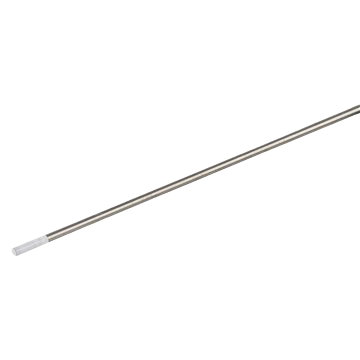
| ITEM NO. | 15063 |
|---|---|
| Welding Tip Type | 0.9% Zirconiated Tungsten |
| Welding Tip Size | Ø 2.40mm / 150mm |
| Net Weight | 0.10kg |
| Gross Weight | 1.00kg |

| Model No | WE1020 |
|---|---|
| Brand | Sealey |
| Nett Weight | 0.10kg |
| Pack Qty | 10 |
| Size | Ø2 x 300mm |

| ITEM NO | 02693 |
|---|---|
| Electrode Size | 10x 2.50mm |
| Electrode Material | Mild Steel |
| Electrode Type | 6013 |

| Model No | WE1025 |
|---|---|
| Brand | Sealey |
| Nett Weight | 0.17kg |
| Pack Qty | 10 |
| Size | Ø2.5 x 300mm |


| Model No | WE1032 |
|---|---|
| Brand | Sealey |
| Nett Weight | 0.33kg |
| Pack Qty | 10 |
| Size | Ø3.2 x 350mm |

| ITEM NO | 04005 |
|---|---|
| Wire Type | Mild Steel |
| Wire Size | Ø 0.80mm |
| Wire Spool Size | 0.70kg |

| Model No | SW20 |
|---|---|
| Brand | Sealey |
| Nett Weight | 0.02kg |
| Size | 10g |


| Model No | PA02 |
|---|---|
| Blade Width(s) | 50, 80, 100, 120mm |
| Brand | Sealey |
| Length | 100mm |
| Nett Weight | 0.100kg |


| ITEM NO | 05000 |
|---|---|
| Component Type | Plasma Electrode |
| Suitable For | 05785 / 05787 / 05789 |

| ITEM NO | 04000 |
|---|---|
| Wire Type | Mild Steel |
| Wire Size | Ø 0.60mm |
| Wire Spool Size | 0.70kg |

| ITEM NO | 02700 |
|---|---|
| Max. Output | 200A |
| Designed For | MMA/ARC Welding |
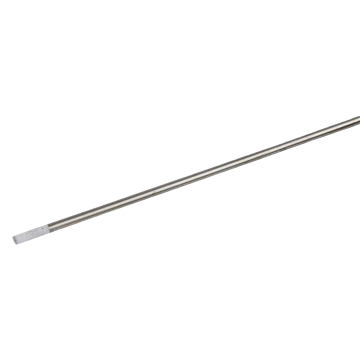
| ITEM NO. | 15065 |
|---|---|
| Welding Tip Type | 0.9% Zirconiated Tungsten |
| Welding Tip Size | Ø 3.20mm / 150mm |
| Net Weight | 0.10kg |
| Gross Weight | 1.00kg |
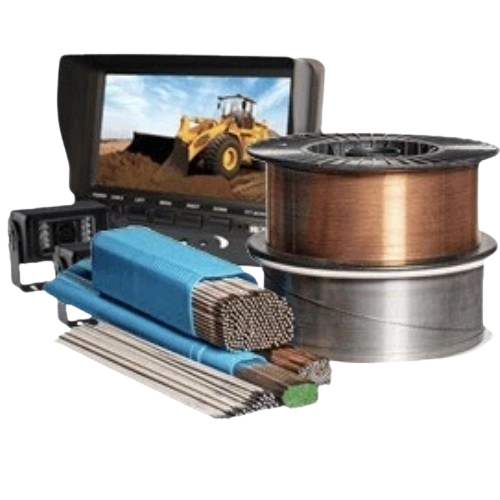
| Wire Dimensions | 0.80 mm |
|---|---|
| Weight | 5 Kg |

| Model No | MIG/7K08 |
|---|---|
| Brand | Sealey |
| Diameter | Ø0.8mm |
| Nett Weight | 0.7kg |


| Model No | MIG/7K06 |
|---|---|
| Brand | Sealey |
| Diameter | Ø0.6mm |
| Nett Weight | 0.7kg |


| ITEM NO | 04055 |
|---|---|
| Wire Type | Flux-Cored |
| Wire Size | Ø 0.80mm |
| Wire Spool Size | 0.22kg |

| ITEM NO. | 02921 |
|---|---|
|
|
|
| Electrode Size | 5kg x 2.00mm |
|
|
|
| Electrode Material | Mild Steel |

| ITEM NO | 04010 |
|---|---|
| Wire Type | Flux-Cored |
| Wire Size | Ø 0.80mm |
| Wire Spool Size | 0.45kg |

| Wire (diameter) | 1.0-1.2mm |
|---|

By sharing your email, you agree to our privacy policy & terms of service





 POPULAR CATEGORY


