


 Filters


A nut is picked by two things, its thread and its form, and the 177 nuts on this shelf divide by what the joint actually asks for: plain nuts for straightforward clamping under a spanner or socket, locking forms for the machinery joints that would otherwise vibrate loose, and spring nuts for the channel and sheet work where the nut must hold itself in place before the screw ever arrives to find it waiting.
The spring nut family leads the shelf, the sprung steel cages that clip snugly into channel or onto sheet edges and hold their captive thread waiting for the screw, metric threaded forms from M5 through M6 to M8 in galvanised yellow chrome finish and the ST sheet-thread sizes from 2.9 through 3.5 and upward in galvanised, phosphate oiled and bright zinc finishes, the quiet clever fastener that makes blind and one-handed assembly possible on enclosures, trunking and framing installations everywhere.
The conventional forms cover the joints the spanner reaches directly: plain forms and locking nuts across the metric sizes in zinc plate, with stainless and A2 forms shadowing the whole range for the joints that live wet or get washed down daily, and the heavy threads reaching all the way up to M36 for the machine work the fixings section serves throughout its shelves.
Thread and form typed into search find the nut at once, the nut finishes deliberately match the screws one shelf over so joints assemble in one metal, and an odd nut, an unfamiliar sprung cage or a worn thread photographed with a measurement over WhatsApp on 07754288583 comes back named, sized and paired to the screw it serves.

| C | 4,2 mm |
|---|---|
| D | 5 mm |
| E | 6 mm |
| F max | 1,9 mm |
| F min | 1,5 mm |

| C | 4,5 mm |
|---|---|
| D | 5,5 mm |
| E | 6 mm |
| F max | 1,5 mm |
| F min | 0,7 mm |

| C | 5,8 mm |
|---|---|
| D | 6,8 mm |
| E | 6,5 mm |
| F max | 2 mm |
| F min | 1,2 mm |

| C | 6 mm |
|---|---|
| D | 6 mm |
| E | 6,5 mm |
| F max | 1,5 mm |
| F min | 0,5 mm |

| C | 7,5 mm |
|---|---|
| D | 7,2 mm |
| E | 7,5 mm |
| F max | 1,7 mm |
| F min | 0,5 mm |

| C | 5,8 mm |
|---|---|
| D | 6,8 mm |
| E | 7 mm |
| F max | 2,7 mm |
| F min | 2 mm |

| C | 6 mm |
|---|---|
| D | 6,8 mm |
| E | 6,5 mm |
| F max | 1,5 mm |
| F min | 0,5 mm |

| C | 11 mm |
|---|---|
| D | 6 mm |
| E | 12 mm |
| F max | 1,7 mm |
| F min | 0,8 mm |

| C | 7,5 mm |
|---|---|
| D | 8 mm |
| E | 8,5 mm |
| F max | 1,7 mm |
| F min | 0,6 mm |

| C | 4,5 mm |
|---|---|
| D | 4 mm |
| E | 6 mm |
| F max | 1,6 mm |
| F min | 1,2 mm |

| C | 14 mm |
|---|---|
| D | 7,2 mm |
| E | 9 mm |
| F max | 2,7 mm |
| F min | 1,5 mm |

| C | 12 mm |
|---|---|
| D | 8,7 mm |
| E | 14 mm |
| F max | 4 mm |
| F min | 3 mm |

| F max | 4,3 mm |
|---|---|
| F min | 0,8 mm |
| Form | 2 |
| L | 19,8 mm |
| Material | CK 67 |

| Model No | SN3 |
|---|---|
| Brand | Sealey |
| Nett Weight | 0.04kg |
| Pack Qty | 100 |
| Pitch | 0.5mm |

| Model No | SN4 |
|---|---|
| Brand | Sealey |
| Nett Weight | 0.07kg |
| Pack Qty | 100 |
| Pitch | 0.7mm |

| Model No | SN5 |
|---|---|
| Brand | Sealey |
| Nett Weight | 0.11kg |
| Pack Qty | 100 |
| Pitch | 0.8mm |

| Model No | SN6 |
|---|---|
| Brand | Sealey |
| Nett Weight | 0.22kg |
| Pack Qty | 100 |
| Pitch | 1mm |

| C | 4,5 mm |
|---|---|
| D | 5,5 mm |
| E | 6 mm |
| F max | 1,4 mm |
| F min | 0,5 mm |

| C | 6 mm |
|---|---|
| D | 6,4 mm |
| E | 6,5 mm |
| F max | 3 mm |
| F min | 2,5 mm |

| C | 6 mm |
|---|---|
| D | 6,8 mm |
| E | 7 mm |
| F max | 1,5 mm |
| F min | 0,5 mm |

| C | 5,8 mm |
|---|---|
| D | 6,8 mm |
| E | 7,5 mm |
| F max | 2,4 mm |
| F min | 1,2 mm |

| C | 7,2 mm |
|---|---|
| D | 7,2 mm |
| E | 7,5 mm |
| F max | 2,3 mm |
| F min | 1,7 mm |

| Model No | FN5 |
|---|---|
| Brand | Sealey |
| Nett Weight | 0.16kg |
| Pack Qty | 100 |
| Pitch | 0.8mm |

| C | 4,2 mm |
|---|---|
| D | 5,5 mm |
| E | 6 mm |
| F max | 1,2 mm |
| F min | 0,9 mm |

| C | 14 mm |
|---|---|
| D | 7,5 mm |
| E | 12 mm |
| F max | 1,3 mm |
| F min | 0,7 mm |

| C | 6 mm |
|---|---|
| D | 7,2 mm |
| E | 8,5 mm |
| F max | 4 mm |
| F min | 3 mm |

| C | 10,5 mm |
|---|---|
| D | 8 mm |
| E | 12 mm |
| F max | 2,6 mm |
| F min | 1,8 mm |

| C | 7,7 mm |
|---|---|
| D | 8,7 mm |
| E | 9,7 mm |
| F max | 3 mm |
| F min | 1,5 mm |

| C | 7,7 mm |
|---|---|
| D | 7,2 mm |
| E | 9 mm |
| F max | 5,5 mm |
| F min | 0,8 mm |
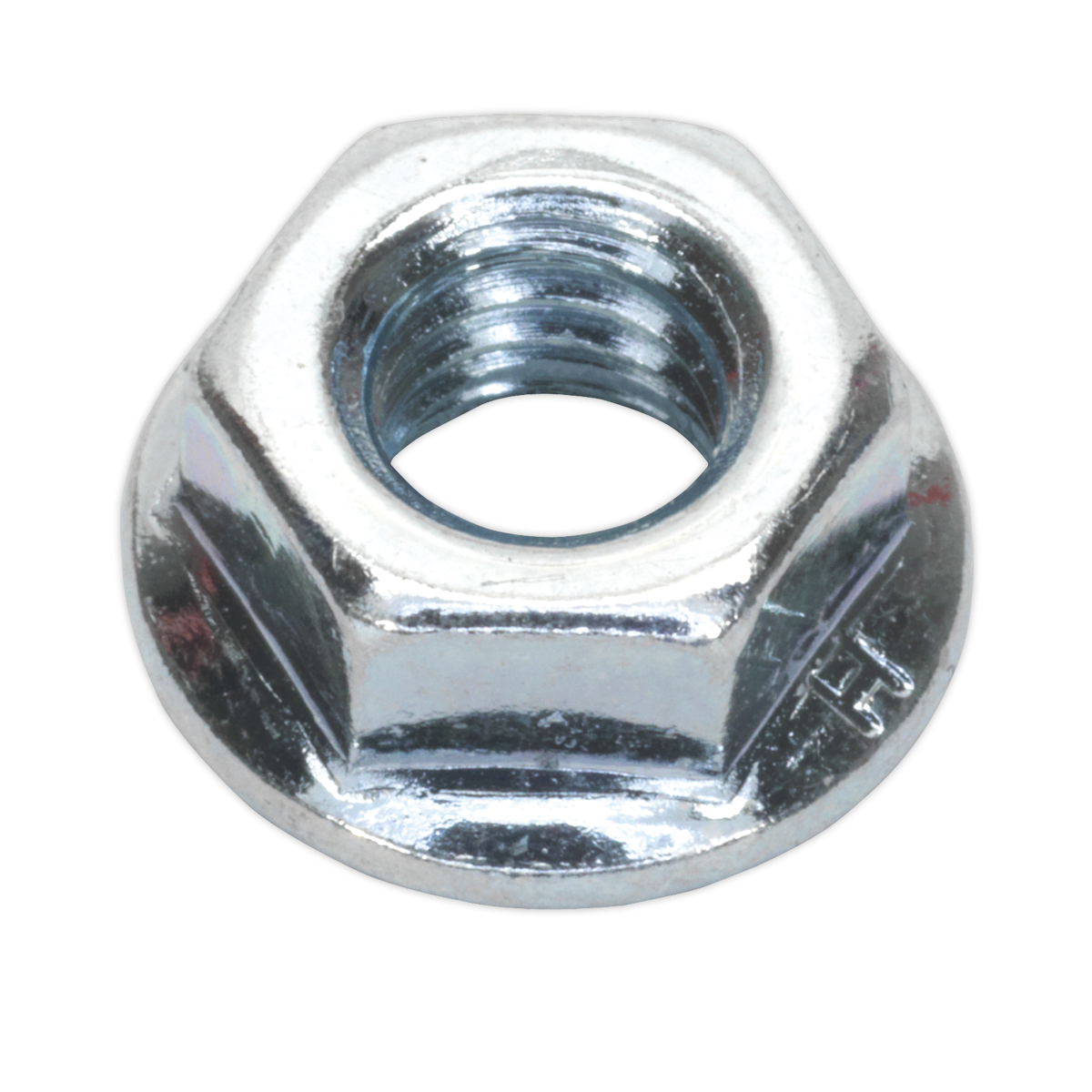
| Model No | FN6 |
|---|---|
| Brand | Sealey |
| Nett Weight | 0.31kg |
| Pack Qty | 100 |
| Pitch | 1mm |
By sharing your email, you agree to our privacy policy & terms of service





 Cart
Cart


 POPULAR CATEGORY


