


 Filters


A castor is picked on three numbers and one decision: the wheel diameter, the fixing pattern underneath, the load it must carry, and whether it swivels, stays fixed or brakes when parked, and the 212 lines on this page run every combination the trade actually rolls its equipment on.
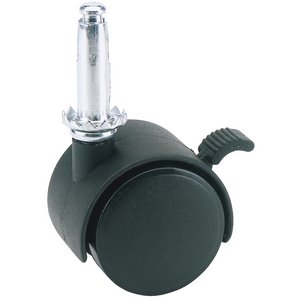
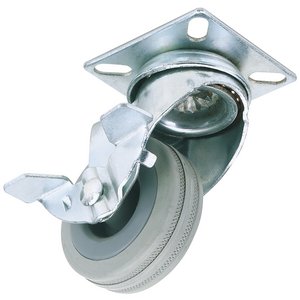
The forms divide by motion first: swivel castors steer, more than a hundred lines strong on this page, fixed castors track dead straight, and the braked forms park the load, the swivel plus brake combination holding a fully loaded trolley still on a slope, with the usual build pairing fixed castors at one end and swivels at the other so a truck steers from one end and tracks true from the other.
The fixing is the physical fit: plate fixings screw down flat to the equipment's underside on their hole pattern, the commonest form on the page, and bolt hole castors drop a single fixing through a tube or socket instead, while the wheel's material carries the floor question, rubber running quiet and gentle over finished floors, nylon rolling the harder loads with noticeably less effort, polyurethane splitting the difference between the two, cast iron taking heat and abuse in its stride, and the pneumatic wheels cushioning delicate loads over rough outdoor ground.
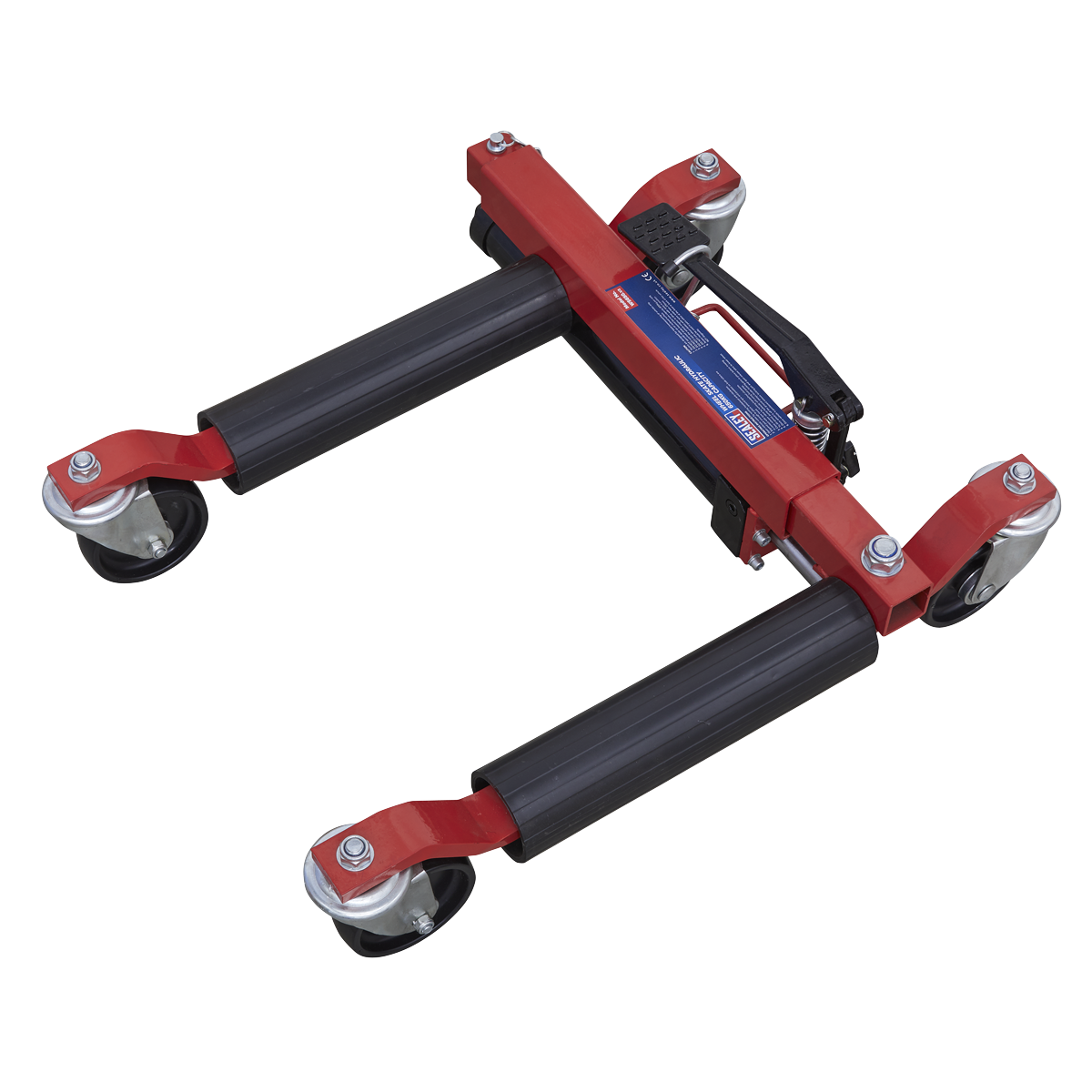
The named machine castors serve their own equipment by stock number, rear castor assemblies among them, and diameter with fixing typed into search finds the castor at once. A worn castor photographed with its plate measured across the holes over WhatsApp on 07754288583 comes back matched to the page, with the load arithmetic, per-castor rating times the count, checked honestly for the trolley or cabinet it carries.






By sharing your email, you agree to our privacy policy & terms of service






 Cart
Cart


 POPULAR CATEGORY


