


 Filters


A nutrunner is not an impact wrench with a different name. It tightens continuously rather than by hammer blows, which is what makes the torque it delivers repeatable and measurable rather than dependent on how long the trigger is held. That is the reason to reach for one, and it is the distinction the whole leaf turns on. It is also why the tools here sit on structural work, where a joint has a figure that has to be met rather than a nut that simply has to be tight.
Drive size fixes the sockets and the range here is 3/4 inch and 1 inch, which places these tools on structural and commercial fasteners rather than general bay work. All 13 lines state torque range, maximum forward, maximum reverse and minimum forward, so the working window is known before the tool is bought rather than discovered on the joint.
The ATC pack is the option that matters. It adds torque control to the tool so that the shut-off happens at a set figure rather than at the operator's judgement, and the CP6613, CP6626 and CP6641 are each held with and without it. Where a joint has a specification, the pack is what allows the tool to meet it consistently. Where no specification applies, the plain tool covers the same fasteners at the operator's judgement.
Reversing is held across the CP7600 ladder in the R variants, for a joint that has to come apart as well as go together. Weight is stated alongside drive and torque, which matters on a tool used overhead. For a first purchase, the fastener specification sent over WhatsApp on 07754288583 is enough to identify the drive and torque window needed.

| Max torque in forward | 1300 Nm |
|---|---|
| Max torque reverse | 1300 Nm |
| Min torque in forward | 320 Nm |
| Torque Control System | Non shut-off-stall |
| Accuracy (%) | ±5 % |

| Max torque in forward | 1300 Nm |
|---|---|
| Max torque reverse | 1300 Nm |
| Min torque in forward | 320 Nm |
| Torque Control System | Non shut-off-stall |
| Accuracy (%) | ±5 % |

| Max torque in forward | 2600 Nm |
|---|---|
| Max torque reverse | 2600 Nm |
| Min torque in forward | 700 Nm |
| Torque Control System | Non shut-off-stall |
| Accuracy (%) | ±5 % |

| Max torque in forward | 900 Nm |
|---|---|
| Max torque reverse | 900 Nm |
| Min torque in forward | 450 Nm |
| Torque Control System | Shut-off-pneumatic valve |
| Adjustment | Key |

| Max torque in forward | 2600 Nm |
|---|---|
| Max torque reverse | 2600 Nm |
| Min torque in forward | 700 Nm |
| Torque Control System | Non shut-off-stall |
| Accuracy (%) | ±5 % |

| Max torque in forward | 4100 Nm |
|---|---|
| Max torque reverse | 4100 Nm |
| Min torque in forward | 1000 Nm |
| Torque Control System | Non shut-off-stall |
| Accuracy (%) | ±5 % |
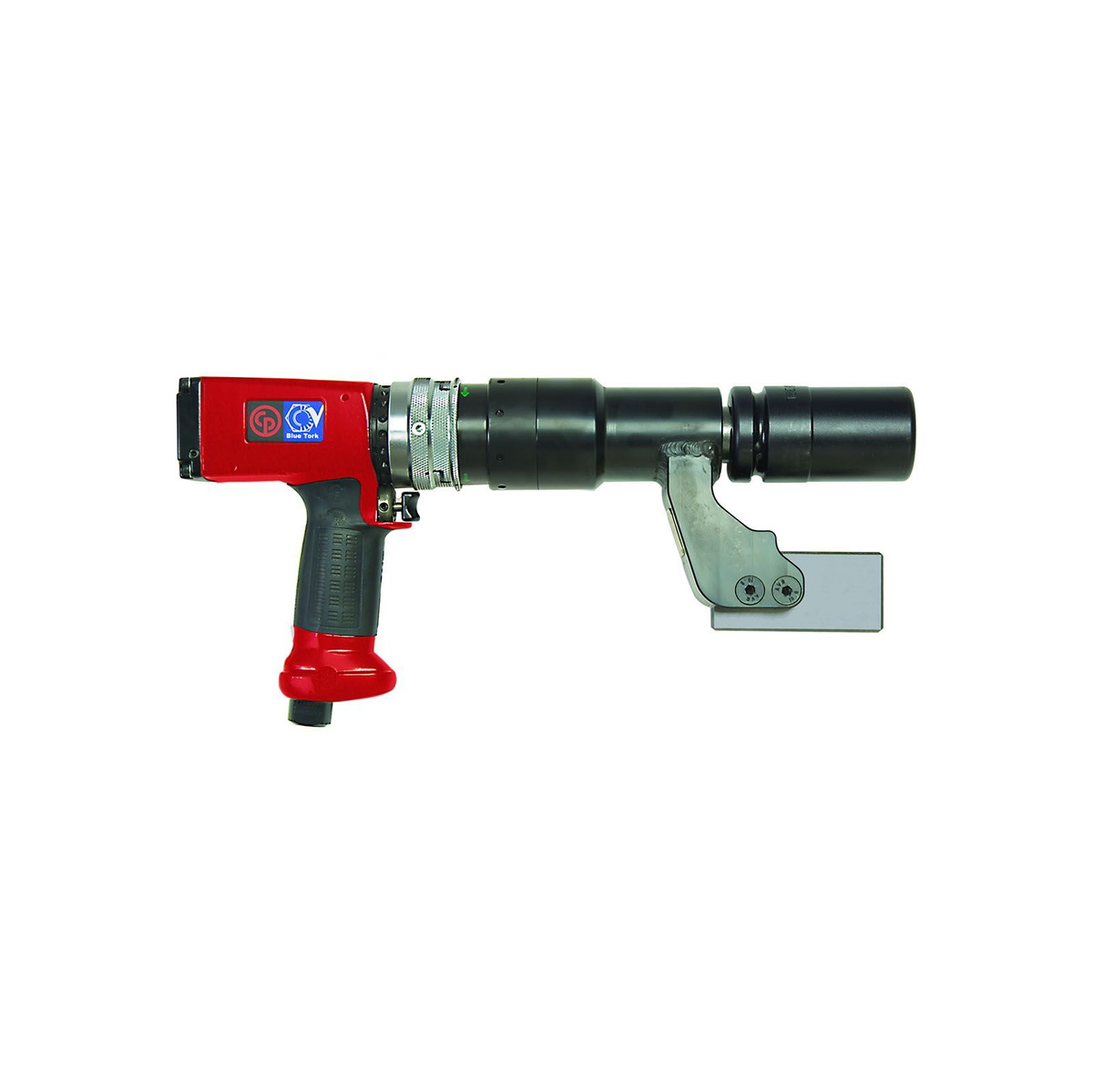
| Max torque in forward | 900 Nm |
|---|---|
| Max torque reverse | 900 Nm |
| Min torque in forward | 450 Nm |
| Torque Control System | Shut-off-pneumatic valve |
| Adjustment | Key |

| Max torque in forward | 4100 Nm |
|---|---|
| Max torque reverse | 4100 Nm |
| Min torque in forward | 1000 Nm |
| Torque Control System | Non shut-off-stall |
| Accuracy (%) | ±5 % |

| Max torque in forward | 900 Nm |
|---|---|
| Max torque reverse | 900 Nm |
| Min torque in forward | 450 Nm |
| Torque Control System | Shut-off-pneumatic valve |
| Adjustment | Key |

| Max torque in forward | 900 Nm |
|---|---|
| Max torque reverse | 900 Nm |
| Min torque in forward | 450 Nm |
| Torque Control System | Shut-off-pneumatic valve |
| Adjustment | Key |

| Max torque in forward | 900 Nm |
|---|---|
| Max torque reverse | 900 Nm |
| Min torque in forward | 450 Nm |
| Torque Control System | Shut-off-pneumatic valve |
| Adjustment | Key |

| Max torque in forward | 900 Nm |
|---|---|
| Max torque reverse | 900 Nm |
| Min torque in forward | 450 Nm |
| Torque Control System | Shut-off-pneumatic valve |
| Adjustment | Key |

| Max torque in forward | 900 Nm |
|---|---|
| Max torque reverse | 900 Nm |
| Min torque in forward | 450 Nm |
| Torque Control System | Shut-off-pneumatic valve |
| Adjustment | Key |
By sharing your email, you agree to our privacy policy & terms of service


 Cart
Cart


 POPULAR CATEGORY


