


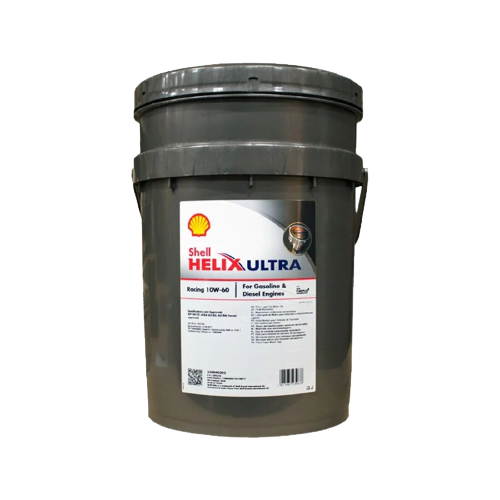
Your handbook names a code. MB 229.51, ACEA E7, Dexos2, ZF TE-ML 04D. Then you look at an oil listing and it names something else: a brand, a viscosity, a pack size. Shell Rimula R4X 15W-40, 20 litre. The code is down in the specifications, if it is listed at all, and there are hundreds of products. So people buy on viscosity, or on whatever went in last time, and both are guessing.
The Oil Finder puts the code first. Three dropdowns and nothing to type. Pick the oil type, pick the name that issued your code, then find the code in the list and click it. No spelling, no knowing what it stands for, just recognising what is in the handbook. It returns every oil we stock carrying it, and a see result button after the second dropdown covers you if the exact code is not there.
It covers seven oil types, so the same code search works whatever the fluid. Engine oil is where ACEA and API codes live, and Shell Rimula, Helix and Castrol Vecton all sit under them. Hydraulic oil is where an ISO VG grade belongs, alongside Shell Tellus and Castrol Hyspin. Gear and transmission oil carry the ZF TE-ML and API GL codes that Shell Spirax and Castrol Transmax are listed against. Grease runs on NLGI consistency, and coolant and other oil close the range.
What you are looking at is one of three things. A classification is the universal performance standard from API and ACEA that every reputable oil carries. A specification is the requirement written by the equipment manufacturer, such as MB 228.3, and an oil listing it means it has been tested to meet those criteria. An approval means the manufacturer has signed it onto their own register. Behind the dropdowns are 37 names, 438 codes and 331 oils, so one code usually returns a short list rather than a single bottle. Send the machine details to 07754288583 on WhatsApp if the handbook is lost.
By sharing your email, you agree to our privacy policy & terms of service





 Cart
Cart


 POPULAR CATEGORY

