Clamp capacity is the span it will close over, and it is measured against the work plus anything between the clamp and the work. Packing pieces protecting a finished surface count towards it, which is why a clamp chosen exactly to the work often will not close. Reading the span with the packing in place rather than without it is what avoids that.
Type decides how the pressure is applied and held. A bar clamp holds a joint that is already closed. A sash clamp has enough travel and force to pull a joint closed against resistance, which is what a bar clamp cannot do over a long span. Sash clamps also hold that pressure while glue sets rather than only at the moment of closing.
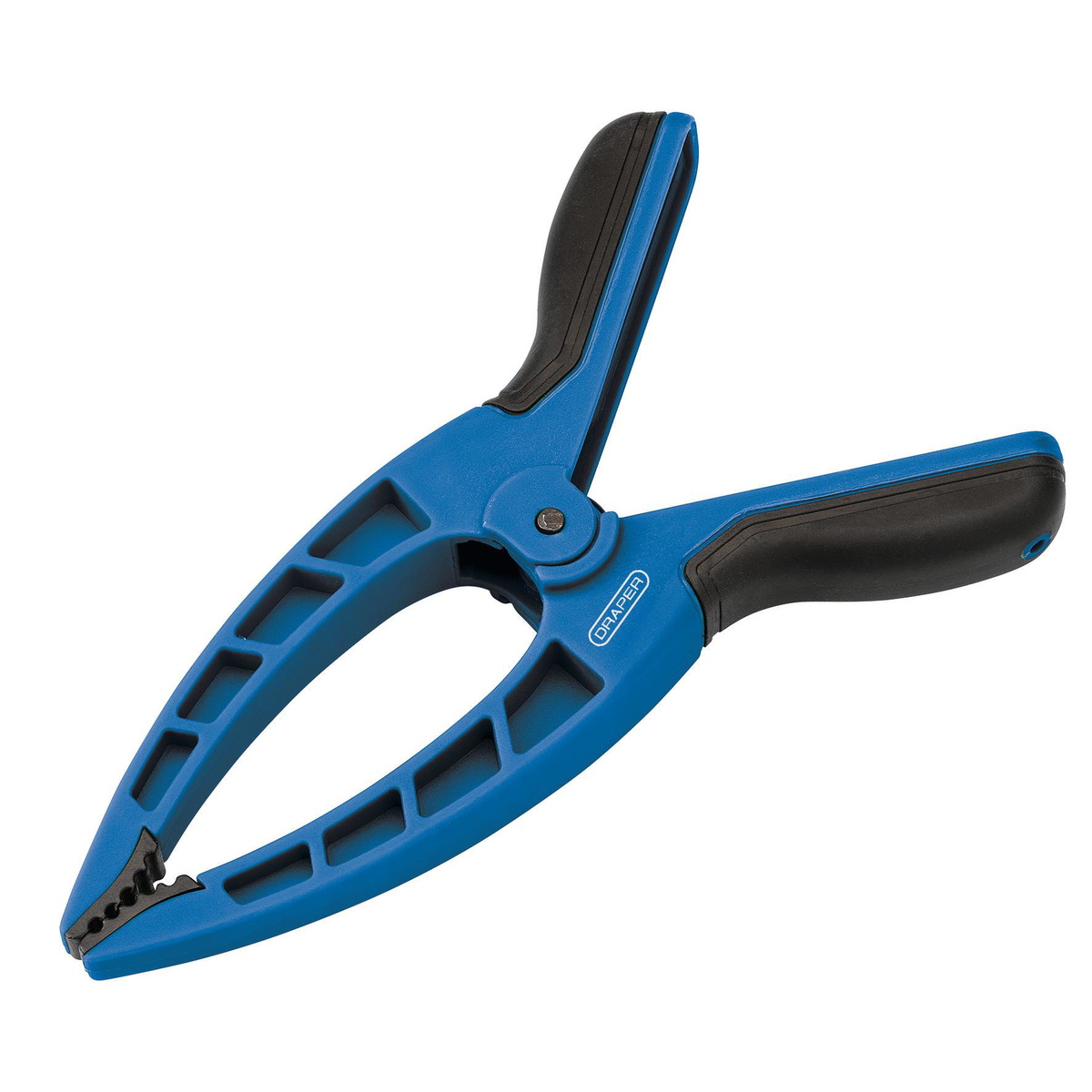
Spring clamps hold without being wound, at 50mm, which suits a hold that only has to resist gravity while something sets. They apply far less pressure than a screw clamp and are quicker to fit and release. Both are quicker to release than a screw clamp, which matters when several are being moved at once.
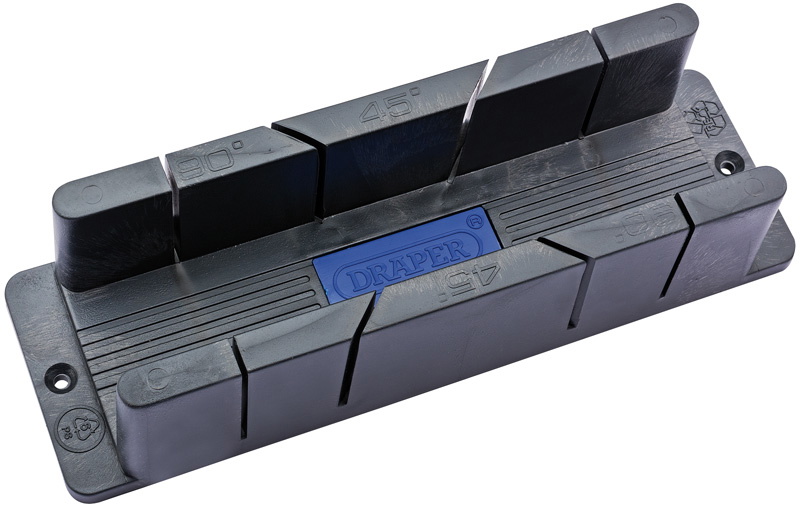
A dual action clamp at 600mm reverses to push apart as well as pull together, which is how a joint is opened as well as closed. A mitre box at 360 x 110 x 60mm sits alongside as the guide the clamped work is cut against. Send the joint and the span to 07754288583 on WhatsApp. Clamp capacity is stated per clamp rather than as a range across a type. Mitre boxes are also sized to the timber they will take rather than being universal.


 Filters






 Cart
Cart


 POPULAR CATEGORY


