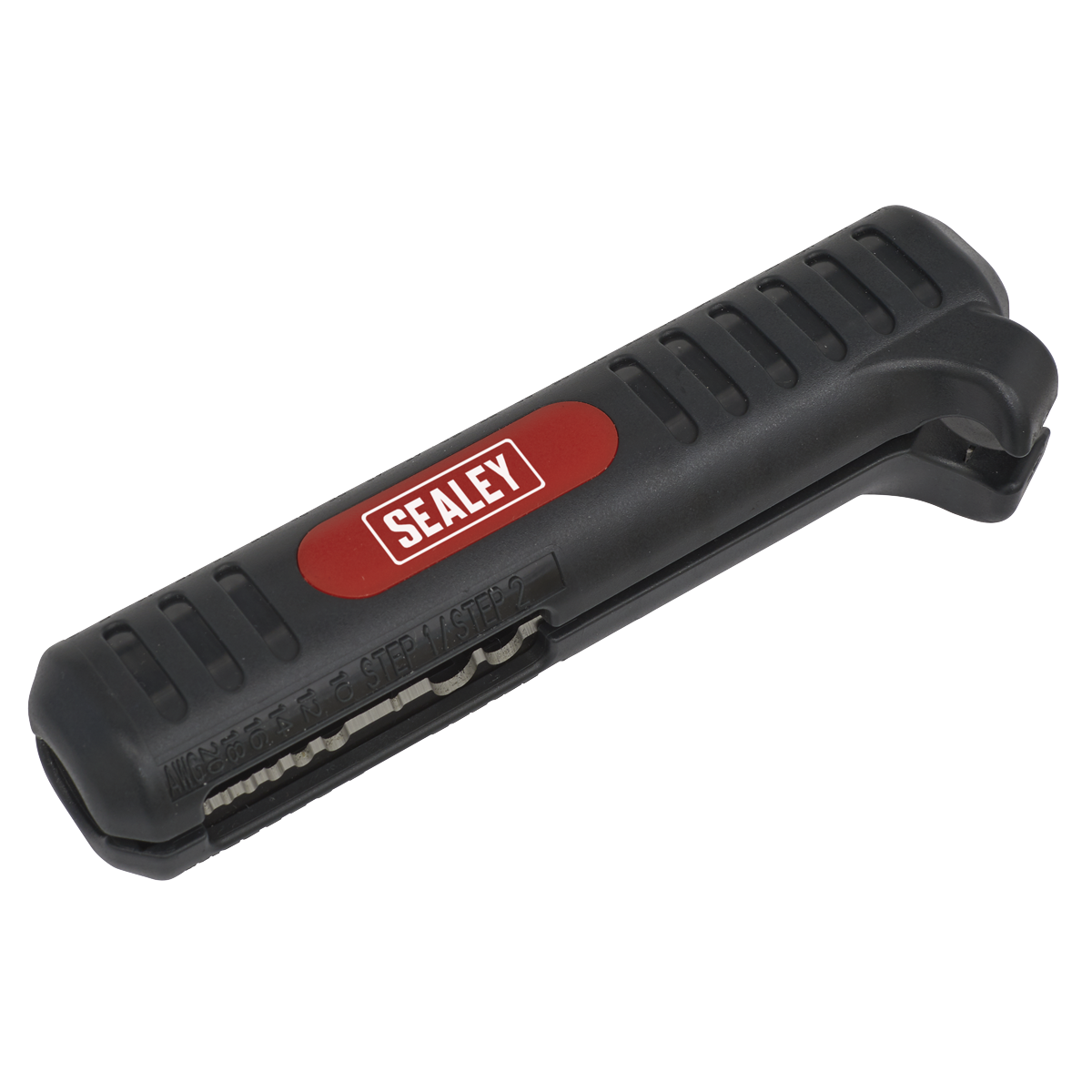
An automatic stripper sets itself to the conductor, gripping the insulation and pulling it off without the size being dialled in. That removes the setting error that nicks a conductor, which is the failure a manual stripper produces when it is set one size too small. A stripper that is set correctly also strips at the same length every time, which matters on a run of terminations.
The limit is that an automatic stripper needs the insulation to grip. Very thin, very hard or unusually shaped insulation defeats it, and a manual stripper set deliberately is the answer where the cable is outside what the automatic mechanism handles. Manual strippers also work on cable an automatic tool has already failed on, which is why both are held.
Conductor range is stated per tool and it is the figure to read against the cable. A stripper outside its range either does not close on the insulation or closes onto the conductor, and the second of those is the one that causes a fault later. Range is stated per tool alongside whether the stripper is automatic or manual.
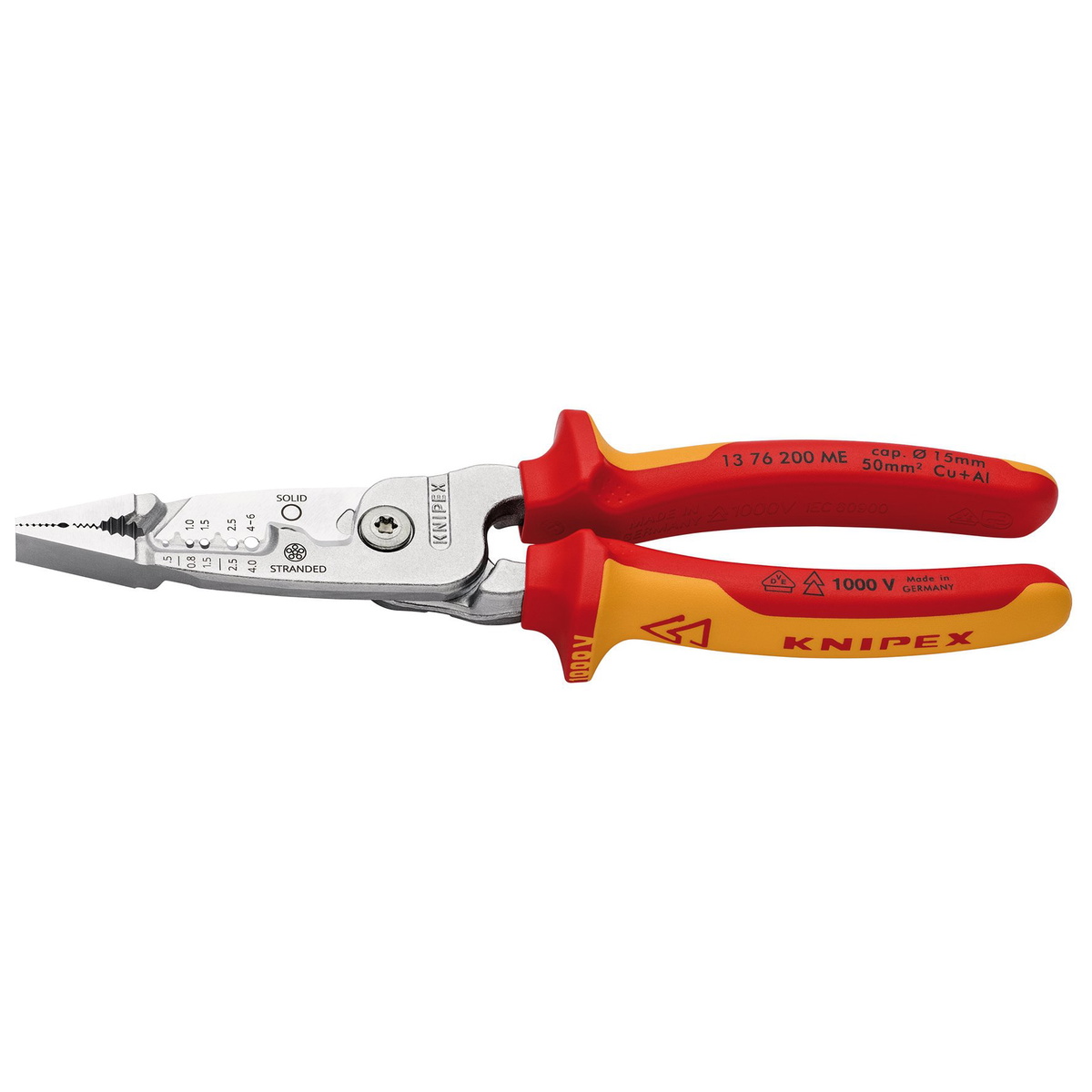
Solar and multi-function tools address cable a general stripper mishandles. A PV stripper works to the solar cable specification, and an ErgoStrip 3-in-1 strips, cuts and prepares in one body. VDE forms carry the 1000V rating. Send the cable to 07754288583 on WhatsApp. A VDE stripper carries its rating on the tool as any VDE product does. Multi-function tools cover the sequence in one body rather than three tools picked up in turn.


 Filters








 Cart
Cart


 POPULAR CATEGORY


