Phone Phone 01926754100 Cart Cart
Fit guarantee icon
FIT GUARANTEE or Hassle-Free Returns
Quick delivery icon
QUICK DELIVERY On All Products Across UK
Customer support icon
GREAT SUPPORT 24/7 Support For Any Query
rating icon
TOP RATED Trusted by Our Customers
FAQs

No. A Phillips tip tapers to cam out at a set torque; a Pozidriv has ribs that hold in the recess instead. Using one in the other rounds the recess.

By the tip number read off the screw head rather than estimated. PH0, PH1 and PH2 are held, and the difference between numbers is decisive in the recess.

Turning a screw with almost nothing above it. A 38mm blade works where a standard driver cannot be presented to the head at all.

38mm on the stubby bodies and 75mm and 100mm on the standard blades, across the same tip numbers so the reach is chosen without changing the tip.

One indicating the presence of voltage, at 140mm and 190mm. It does not prove absence of voltage, which is a different operation needing a different instrument.

Yes, and a worn tip rounds screw heads rather than turning them. A driver that starts camming out on screws it used to turn is worn rather than being used wrongly.

Clear

Mechanics Screwdrivers

FilterFilters
View as Grid List

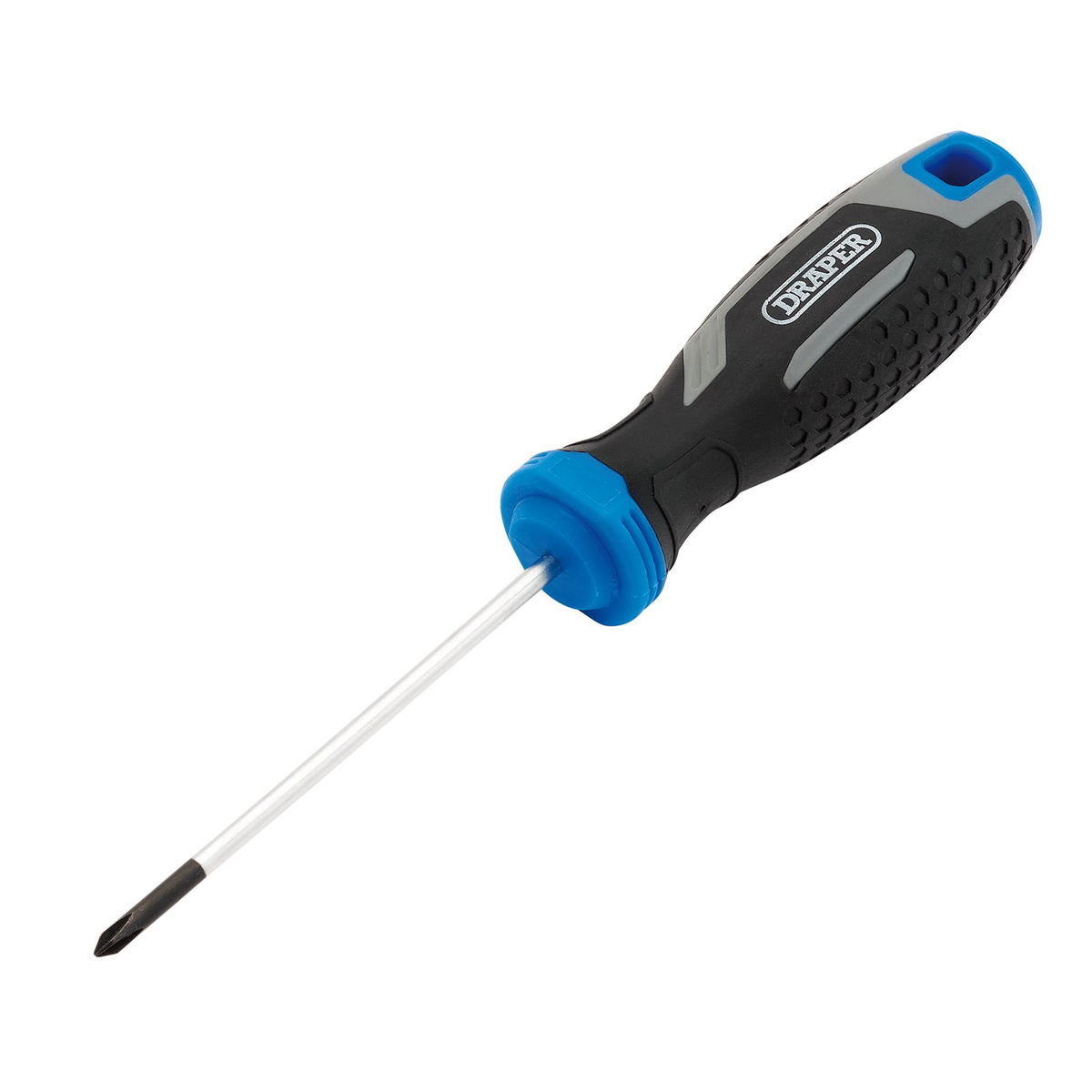
Phillips and Pozidriv look similar and are not interchangeable. A Phillips tip tapers to cam out deliberately at a set torque; a Pozidriv tip has additional ribs that hold in the recess instead. Using one in the other rounds the recess before the screw is tight. The difference is visible on the tip once the two are held side by side.

Tip number is what identifies the size within either pattern, running PH0, PH1 and PH2 here alongside the PZ drivers. The number is read off the screw head rather than estimated, since the difference between one number and the next is small in the hand and decisive in the recess. Mixing the two is also the most common reason a screw head fails on an assembly line rather than in a workshop.

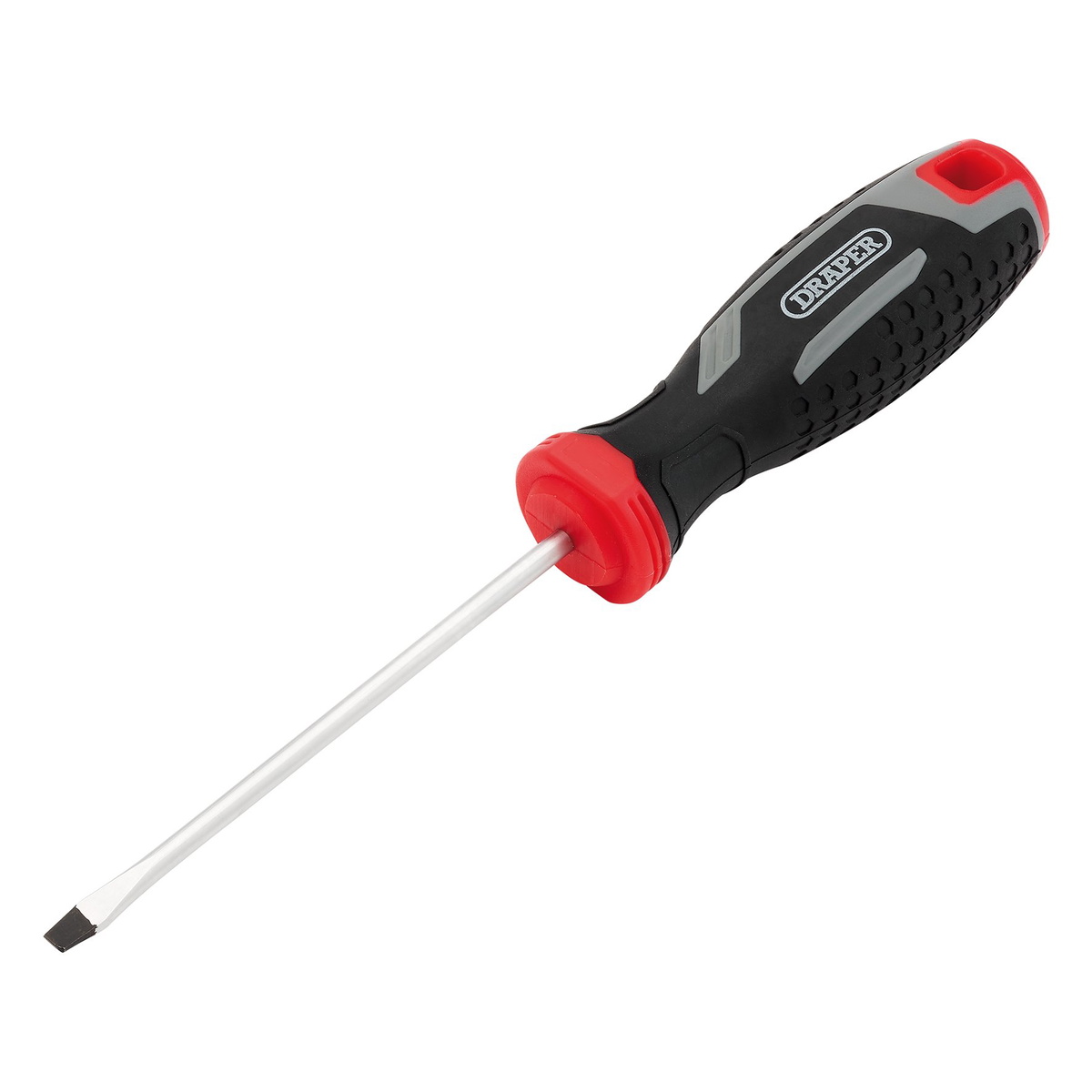
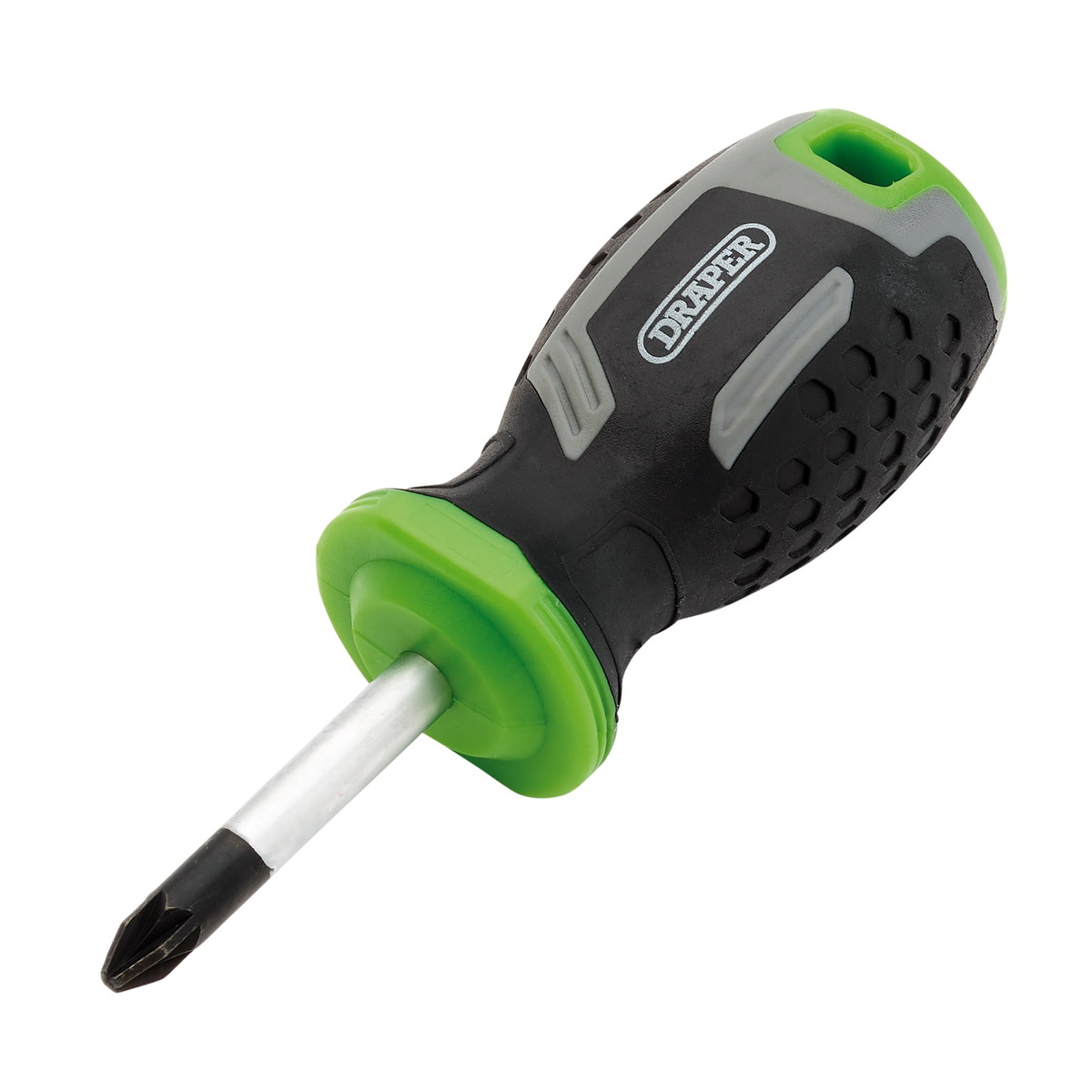
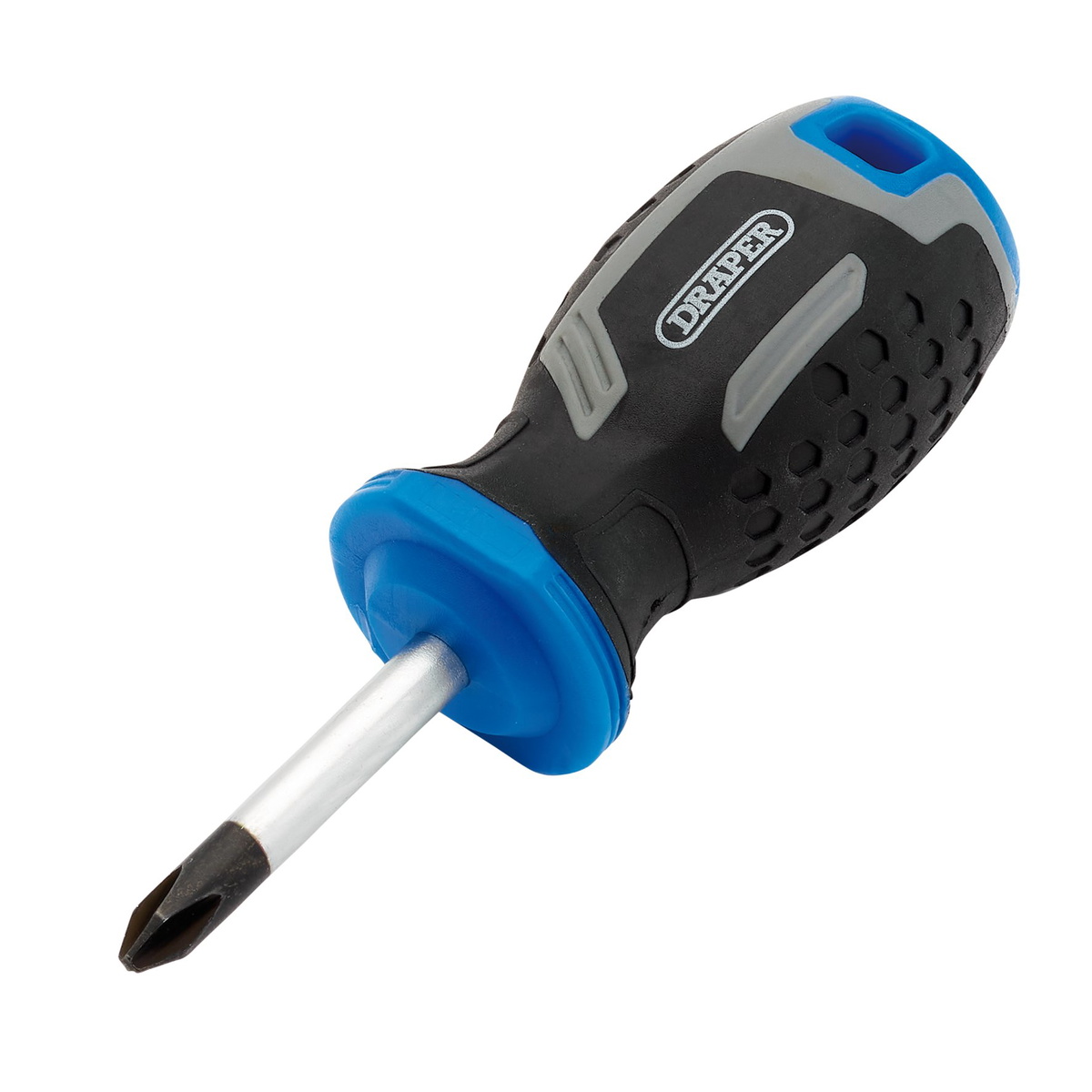
Blade length is where mechanics drivers differ most from general ones. A stubby blade at 38mm turns a screw with almost nothing above it, and a standard blade at 75mm or 100mm reaches into an assembly. Both are held in the same tips. Both blade lengths are held across the tip numbers so the reach does not fix the tip.

Mains tester drivers at 140mm and 190mm sit on the same leaf as an adjacent tool rather than a screwdriver variant. They indicate presence of voltage rather than proving its absence, which is a different operation. Send the fastener to 07754288583 on WhatsApp. Testers are held at two lengths for reach rather than for any difference in what they indicate.

Show Only My Country Products
In this feature, you can view only your country products.
Showing 1 to 30 of 140 entries
FAQs

No. A Phillips tip tapers to cam out at a set torque; a Pozidriv has ribs that hold in the recess instead. Using one in the other rounds the recess.

By the tip number read off the screw head rather than estimated. PH0, PH1 and PH2 are held, and the difference between numbers is decisive in the recess.

Turning a screw with almost nothing above it. A 38mm blade works where a standard driver cannot be presented to the head at all.

38mm on the stubby bodies and 75mm and 100mm on the standard blades, across the same tip numbers so the reach is chosen without changing the tip.

One indicating the presence of voltage, at 140mm and 190mm. It does not prove absence of voltage, which is a different operation needing a different instrument.

Yes, and a worn tip rounds screw heads rather than turning them. A driver that starts camming out on screws it used to turn is worn rather than being used wrongly.

Get exclusive updates on offers & latest trends in construction industry

By sharing your email, you agree to our privacy policy & terms of service