


 Filters


A folding knife closes into its own handle, which is what makes it carryable rather than needing a sheath. That is the whole reason to choose one over a fixed blade, and it is why the lock rather than the blade is what separates a usable folding knife from a hazard. A knife that has to be unsheathed to be used is a knife that gets left behind.
A locking blade cannot close on the hand under load. Without a lock, a folding knife closing while it is being pushed is the injury the design exists to prevent, so whether the blade locks is stated rather than assumed. Lock type is stated per knife rather than being inferred from the price or the appearance. A lock that has to be released deliberately is also one that will not be released by accident.
Blade type follows the material. A straight edge cuts cleanly through card and light material. A serrated edge saws through rope, webbing and anything fibrous that a straight edge would slide across rather than cut. Some blades combine both edges, with a serrated section along part of the length.
Blade length is a carrying and use question rather than only a cutting one. A longer blade cuts deeper in one pass; a shorter one is controlled more easily in the hand and closes into a smaller handle. Send the cutting work to 07754288583 on WhatsApp. Blade material and finish are stated where they differ across the range. Handle material decides grip in the wet as much as it decides how the knife feels dry.

| Model No | AK86 |
|---|---|
| Brand | Sealey |
| Consumable Parts | AK86/B - Utility Knife Blade Pack of 10 |
| Length | 155mm |
| Nett Weight | 0.08kg |

| Model No | AK863 |
|---|---|
| Brand | Premier |
| Consumable Parts | AK86/B - Utility Knife Blade Pack of 10 |
| Length | 160mm |
| Nett Weight | 0.15kg |

| Model No | PK1 |
|---|---|
| Brand | Premier |
| Length | Closed; 90mm, Open; 160mm |
| Nett Weight | 0.08kg |
| Pack Qty | 1 |


| Model No | PK5 |
|---|---|
| Brand | Premier |
| Consumable Parts | AK86/B - Utility Knife Blade Pack of 10 |
| Length | Closed; 90mm, Open; 150mm |
| Nett Weight | 0.14kg |

| Model No | PK38 |
|---|---|
| Brand | Premier |
| Consumable Parts | AK86/B - Utility Knife Blade Pack of 10 |
| Length | Closed; 110mm, Open; 165mm |
| Nett Weight | 0.155kg |

| Model No | AK8631 |
|---|---|
| Brand | Premier |
| Consumable Parts | AK86/B - Utility Knife Blade Pack of 10 |
| Length | 170mm |
| Nett Weight | 0.23kg |

| Model No | PK37 |
|---|---|
| Brand | Premier |
| Consumable Parts | AK86/B - Utility Knife Blade Pack of 10 |
| Length | Closed; 110mm, Open; 170mm |
| Nett Weight | 0.18kg |

| Model No | PK2 |
|---|---|
| Brand | Premier |
| Length | Closed; 90mm, Open; 160mm |
| Nett Weight | 0.13kg |

| Model No | PK23 |
|---|---|
| Brand | Premier |
| Consumable Parts | AK86/B - Utility Knife Blade Pack of 10 |
| Length | Closed; 110mm, Open; 175mm |
| Nett Weight | 0.19kg |
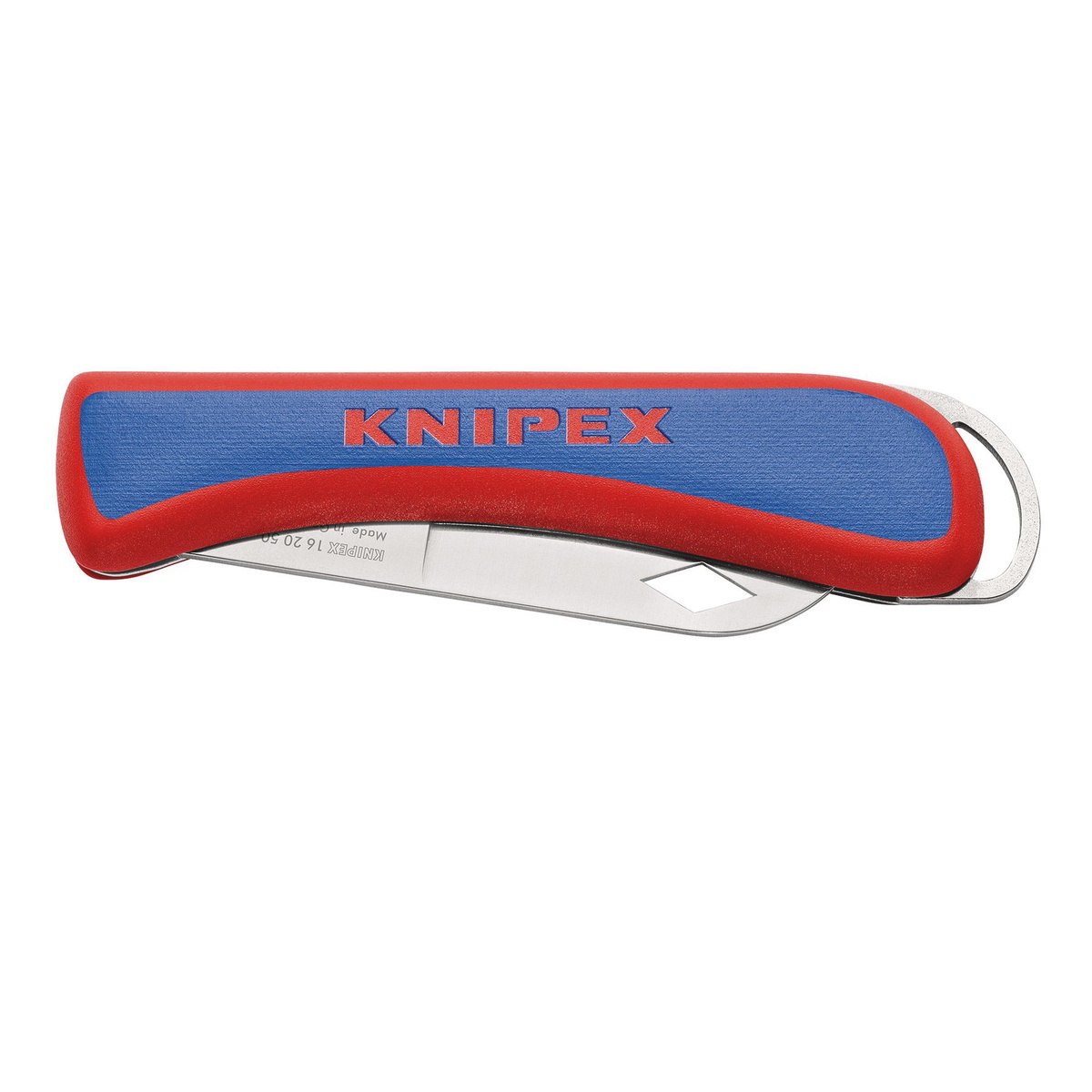

| Model No | PK3 |
|---|---|
| Brand | Premier |
| Length | Closed; 110mm, Open; 190mm |
| Nett Weight | 0.20kg |


| Model No | AK860CT |
|---|---|
| Brand | Sealey |
| Nett Weight | 0.39kg |

By sharing your email, you agree to our privacy policy & terms of service




 Cart
Cart


 POPULAR CATEGORY


