


 Filters


Three punches do three unrelated jobs. A centre punch marks a dimple so a drill starts where it is meant to rather than wandering. A pin punch drives a pin out of a hole. A taper punch starts a pin that a parallel punch cannot begin to move. Using a centre punch to drive a pin ruins its point, which is the most common misuse on this leaf.
Taper and parallel punches are used in sequence rather than as alternatives. The taper punch breaks the pin free because its point enters the hole easily and its increasing diameter forces the pin. Once moving, a parallel punch drives it the rest of the way without wedging.
Pin diameter has to be under the pin being driven and over nothing else. Too small and the punch bends or drives into the pin face. The sizes here run 3 x 200mm, 5 x 225mm, 6 x 250mm and 8 x 300mm on the long taper punches. Length rises with diameter so the punch stays stiff enough not to bend under the blow.
An automatic centre punch marks without a hammer, releasing a spring at a set force. That gives a consistent mark one-handed, which matters on a vertical surface or where the other hand is holding the work. Nail punch sets sink fixings below the surface. Send the pin size to 07754288583 on WhatsApp. A cupped nailset and centre punch set covers both jobs in a two piece pairing.

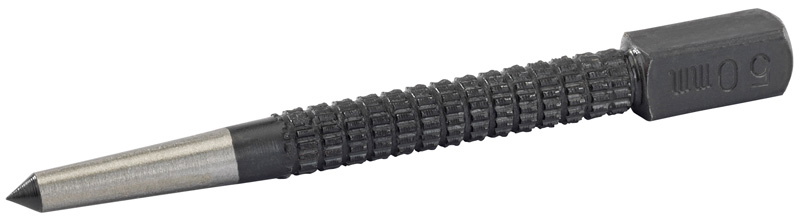


| Model No | AK91312 |
|---|---|
| Brand | Premier |
| Nett Weight | 0.05kg |
| Size | Ø2mm |


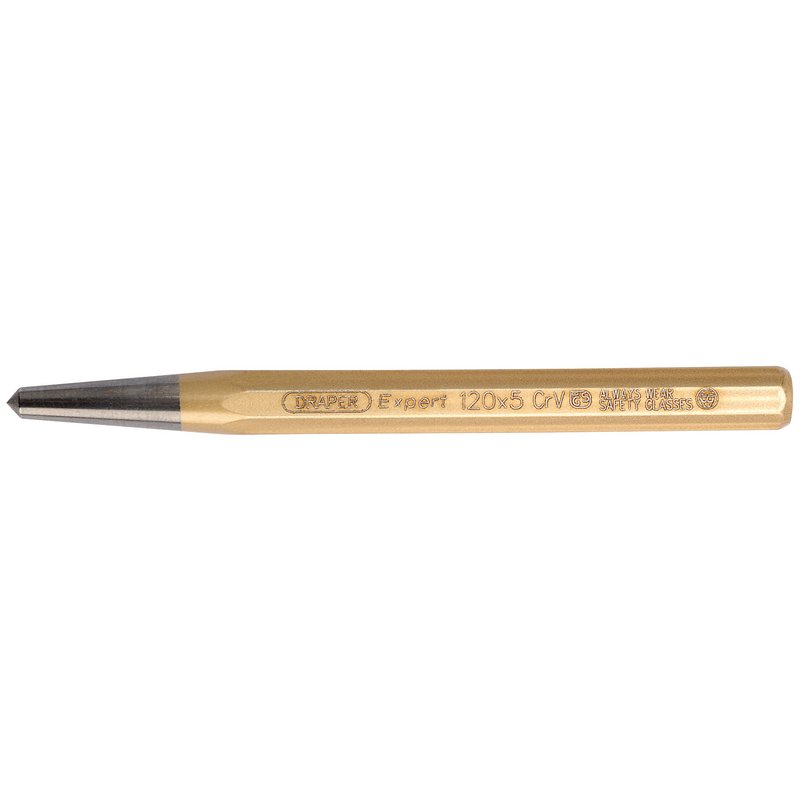

| Model No | AK91313 |
|---|---|
| Brand | Premier |
| Nett Weight | 0.05kg |
| Size | Ø3mm |


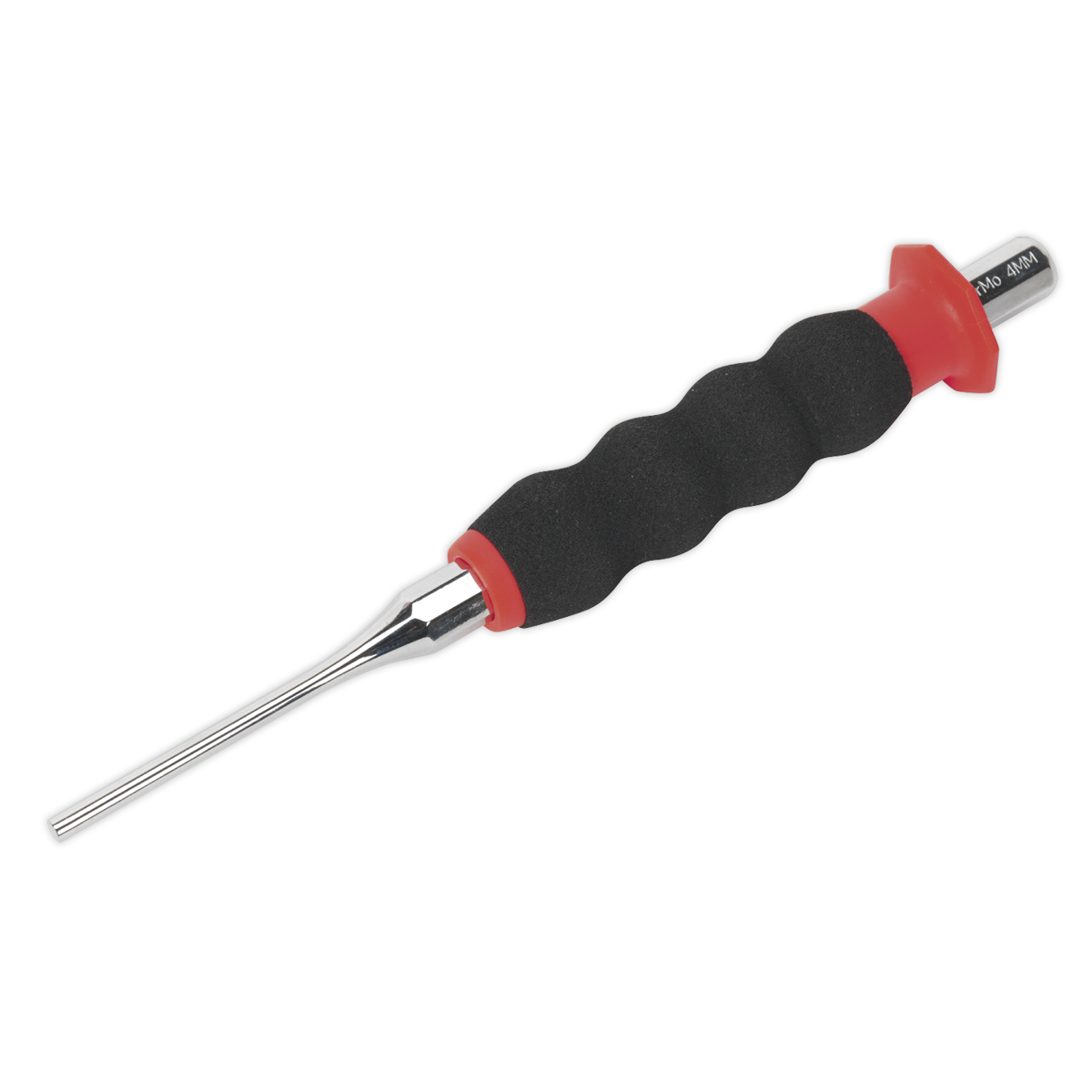
| Model No | AK91314 |
|---|---|
| Brand | Premier |
| Nett Weight | 0.09kg |
| Size | Ø4mm |

| Model No | AK91315 |
|---|---|
| Brand | Premier |
| Nett Weight | 0.11kg |
| Size | Ø5mm |

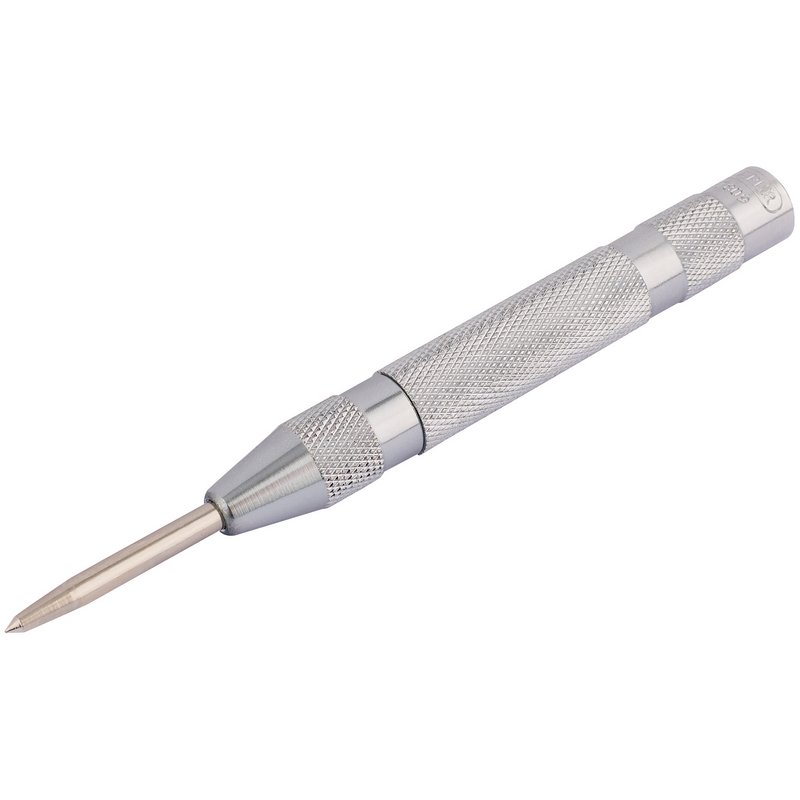


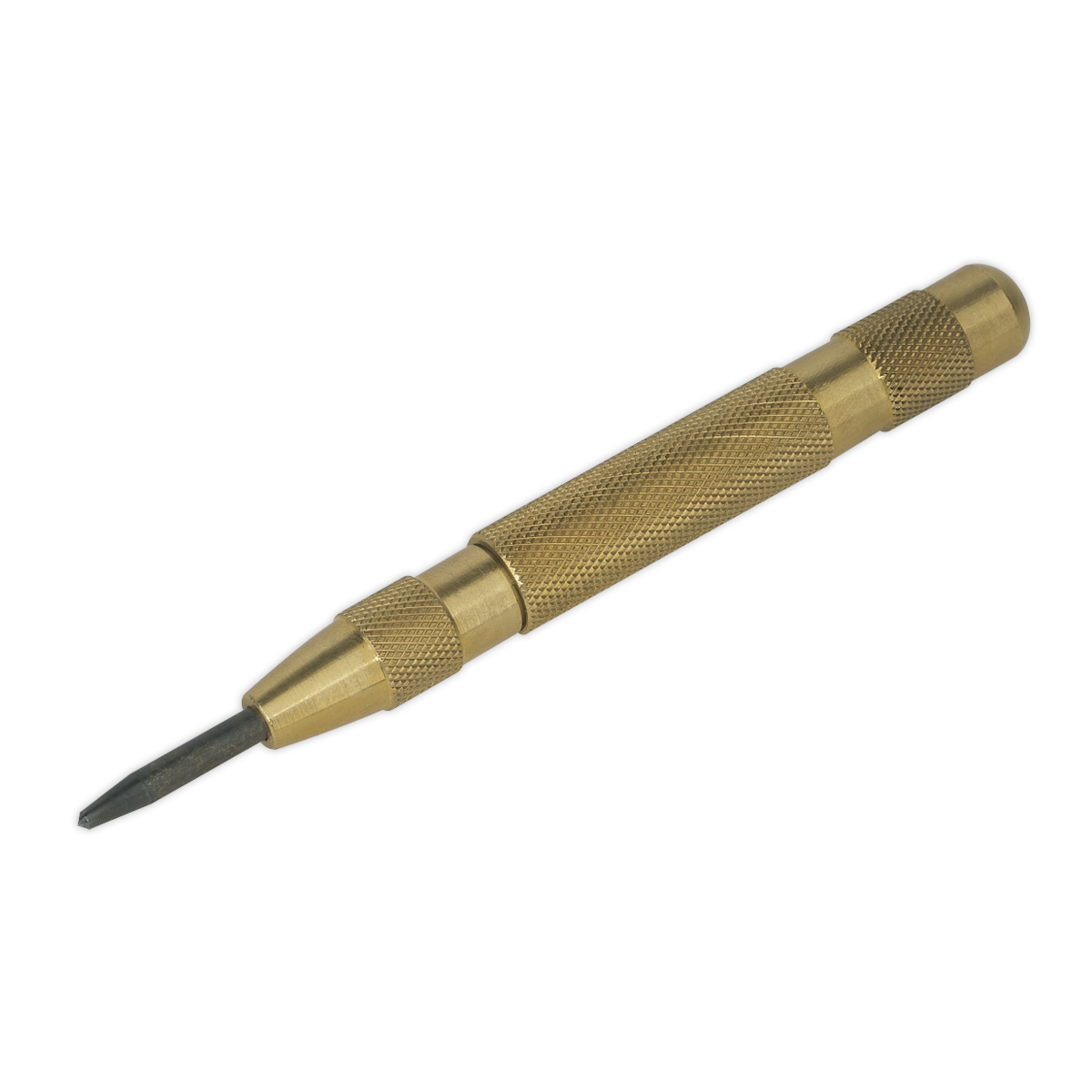
| Model No | AK9121 |
|---|---|
| Brand | Sealey |
| Length | 125mm |
| Nett Weight | 0.08kg |


| Model No | AK91316 |
|---|---|
| Brand | Premier |
| Nett Weight | 0.16kg |
| Size | Ø6mm |

| Model No | AK91317 |
|---|---|
| Brand | Premier |
| Nett Weight | 0.17kg |
| Size | Ø7mm |
By sharing your email, you agree to our privacy policy & terms of service


 Cart
Cart


 POPULAR CATEGORY


