


 Filters


A saw blade is named by the machine that spins it before it is named by anything else, and the 827 blades on this shelf divide exactly that way between their machines, each family picked by the numbers its machine dictates and the cut then refines.
The TCT circular blades run the table and mitre saw trade by three numbers, diameter, bore and tooth count: the construction blades in the 305 by 30 millimetre size step cleanly through 24, 48 and 60 teeth, coarse for fast ripping and fine for clean crosscuts, the 250 by 30 at 40 teeth between them, and the multi-purpose forms in 165 by 20 and 185 by 25.4 serve the plunge and cordless machines, with tooth count trading speed against finish across the whole family.
The hole saws are the deepest single family on the shelf, over 200 lines with their arbors and pilots, cutting large clean round holes by stated diameter through wood, sheet and board alike, and the machine-driven bands and strokes follow behind them: bandsaw blades matched by their machine's stated loop length, jigsaw and reciprocating blades by their shank fitting and the cut they make, and the HSS segment blades serving the multi-tools, with the cobalt and HSS grades running right through the metal cutting lines for the steels that punish plain blades.
The machine's manual names its blade sizes exactly, and those numbers typed into search land the blade at once. An old blade photographed with whatever remains of its stamped markings over WhatsApp on 07754288583 comes back measured and named, and the tooth-count question, speed or finish, answered honestly for the cut in hand.

| Product Number | ABDCA6 |
|---|---|
| Type | Drift Key |
| Size | 1 x 2 |
| Material | Diamond |
| Suitable for | masonry |

| Product Number | ABT119BO |
|---|---|
| Type | Jigsaw Blade Wood T119BO |
| Material | Bi-Metal |
| Suitable for | wood |
| Pack quantity | 5 blades |

| Product Number | ABT119B |
|---|---|
| Type | Jigsaw Blade Wood T119B |
| Material | Bi-Metal |
| Suitable for | wood |
| Pack quantity | 5 blades |

| Product Number | HB15024 |
|---|---|
| Type | HackSaw Blade |
| Size | 150mm |
| Material | Bi-Metal |
| Suitable for | metal cutting |

| Product Number | ABDCA5 |
|---|---|
| Type | A Taper Pilot Drill |
| Size | 200mm |
| Material | Diamond |
| Suitable for | masonry |

| Product Number | MTW3401 |
|---|---|
| Type | Multi |
| Size | 34mm |
| Material | Steel |
| Suitable for | drywall |

| Product Number | ABT144D |
|---|---|
| Type | Jigsaw Blade Wood T144D |
| Material | Bi-Metal |
| Suitable for | wood |
| Pack quantity | 5 blades |

| Product Number | ABT144DP |
|---|---|
| Type | Jigsaw Blade Wood T144DP |
| Material | Bi-Metal |
| Suitable for | wood |
| Pack quantity | 5 blades |

| Product Number | ABT244D |
|---|---|
| Type | Jigsaw Blade Wood T244D |
| Material | Bi-Metal |
| Suitable for | wood |
| Pack quantity | 5 blades |

| Product Number | MTT5201 |
|---|---|
| Type | Rigid Scraper Multi |
| Size | 52mm |
| Material | Carbide |
| Suitable for | tile |

| Product Number | MTW4501 |
|---|---|
| Type | Multi |
| Size | 45mm |
| Material | Steel |
| Suitable for | drywall |

| Model No | WJT344D |
|---|---|
| Brand | Worksafe |
| Length | 105mm (Cutting Length) |
| Material | Chrome Vanadium |
| Pack Qty | 5 |

| Model No | WPS1004 |
|---|---|
| Brand | Worksafe |

| Model No | WPS1002 |
|---|---|
| Brand | Worksafe |

| Model No | WJT118B |
|---|---|
| Brand | Worksafe |
| Length | 55mm (Cutting Length) |
| Material | HSS |
| Pack Qty | 5 |

| Model No | WJT118BF |
|---|---|
| Brand | Worksafe |
| Length | 55mm (Cutting Length) |
| Material | Bi-Metal |
| Pack Qty | 5 |

| Model No | WHS19 |
|---|---|
| Brand | Sealey |
| Diameter | Ø19mm |

| Product Number | ABT101AO |
|---|---|
| Type | Jigsaw Blade Wood T101AO |
| Material | Bi-Metal |
| Suitable for | wood |
| Pack quantity | 5 blades |
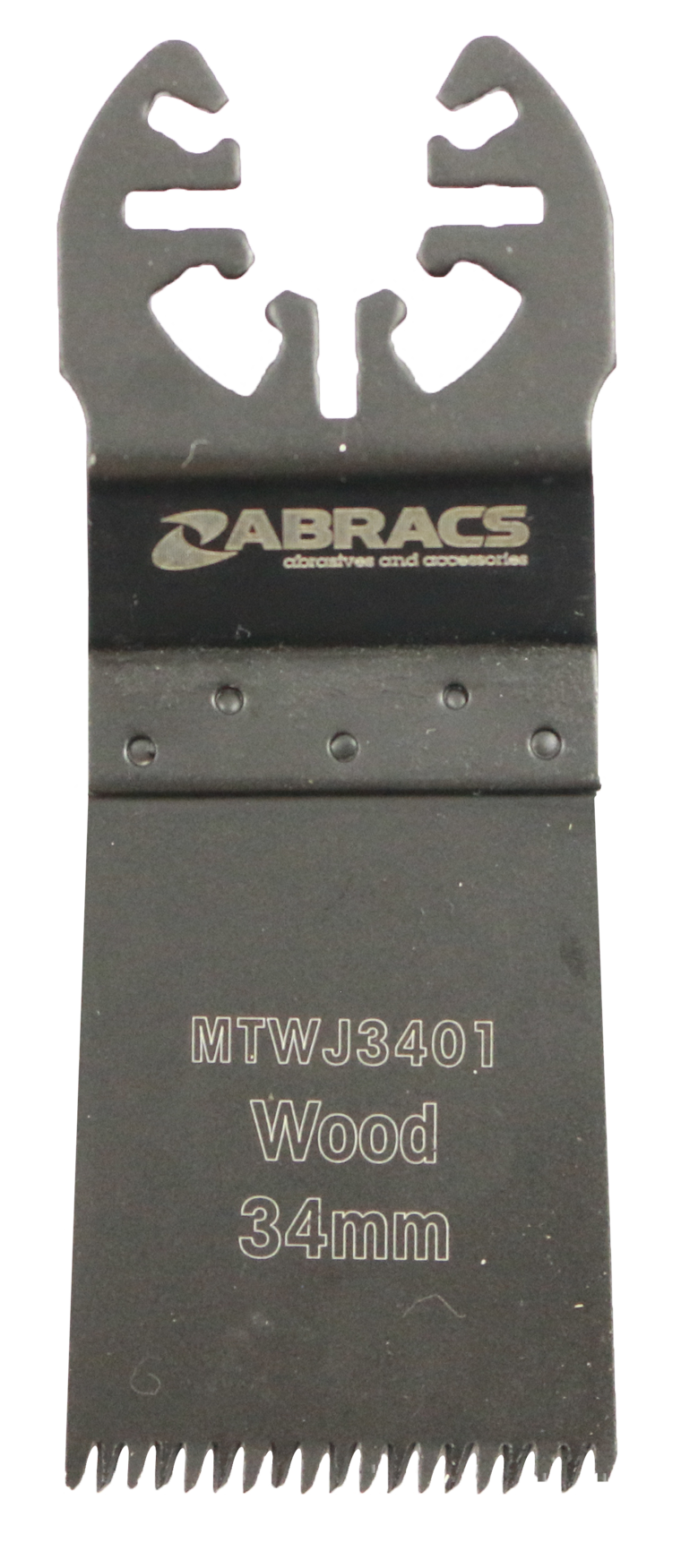
| Product Number | MTWJ3401 |
|---|---|
| Type | Japanese Tooth Multi |
| Size | 34mm |
| Material | Steel |
| Suitable for | drywall |

| Product Number | ABT101D |
|---|---|
| Type | Jigsaw Blade Wood T101D |
| Material | Bi-Metal |
| Suitable for | wood |
| Pack quantity | 5 blades |

| Product Number | ABT101BR |
|---|---|
| Type | Jigsaw Blade Wood T101BR |
| Material | Bi-Metal |
| Suitable for | wood |
| Pack quantity | 5 blades |

| Product Number | ABT101B |
|---|---|
| Type | Jigsaw Blade Wood T101B |
| Material | Bi-Metal |
| Suitable for | wood |
| Pack quantity | 5 blades |

| Model No | SJBT119BO |
|---|---|
| Brand | Sealey |
| Cut Direction | Up |
| Length | 75mm |
| Material | HCS |

| Model No | WJT144D |
|---|---|
| Brand | Sealey |
| Length | 75mm (Cutting Length) |
| Material | Chrome Vanadium |
| Pack Qty | 5 |

| Model No | WJT301CD |
|---|---|
| Brand | Worksafe |
| Length | 90mm (Cutting Length) |
| Material | Chrome Vanadium |
| Pack Qty | 5 |

| Model No | WJT111C |
|---|---|
| Brand | Sealey |
| Length | 75mm (Cutting Length) |
| Material | Chrome Vanadium |
| Pack Qty | 5 |

| Product Number | ABHSQRA1 |
|---|---|
| Type | Quick-Release Arbor Adaptor |
| Fitment | Hex |
| Pack quantity | 2 pieces |

| Product Number | ABHSQRA2 |
|---|---|
| Type | Quick-Release Arbor Adaptor |
| Fitment | Hex |
| Pack quantity | 2 pieces |

| Product Number | MTWM3201 |
|---|---|
| Type | Deep Cut Multi |
| Size | 32mm |
| Material | Bi-Metal |
| Suitable for | wood, metal |

| Product Number | MTW8701 |
|---|---|
| Type | Radial Multi |
| Size | 87mm |
| Material | Steel |
| Suitable for | drywall |
By sharing your email, you agree to our privacy policy & terms of service





 Cart
Cart


 POPULAR CATEGORY


